Gujarat’s Dholera proves key to Gati Shakti masterplan
ECONOMY & POLICY

Gujarat’s Dholera proves key to Gati Shakti masterplan

About 100 km southwest of Ahmedabad in Gujarat is the site for the planned industrial smart city of Dholera. When the planning for the city began, around 2012, bureaucrats noticed that the nearest railway station was 22 km away, at a small village called Bhimnath. They therefore reached out to the Railways.

They (railways) were reluctant at first, citing poor economic viability. But a railway line is in the works now, along with other connectivity projects.

Dholera Industrial City Development Ltd, a special purpose vehicle created to implement all the projects, has equity participation from both the Gujarat government and the central government, represented by the National Industrial Corridor Development Corporation (NICDC) Trust.

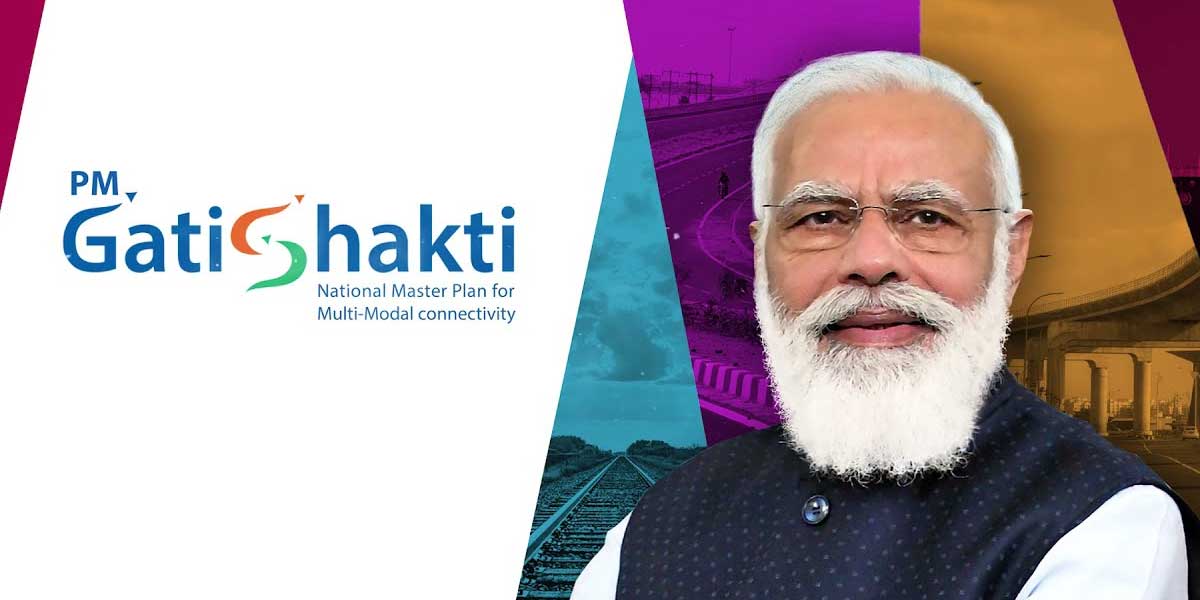
Back then, the officials working with these organizations didn’t know that the maps they used would become the starting point of what is known as Gati Shakti today. The PM Gati Shakti National Master Plan launched a year ago is like the Google Maps of infrastructure planning and offers a dashboard with a bird’s eye view of bridges, roads, tunnels, pipelines, power transmission cables, forests, water bodies, and airports in any region of the country.

As of now, Gati Shakti has over 2,000 layers of data, and it is growing every day as more and more state and central government agencies feed the platform with more data. The tool aims to solve a complex problem: delay in important projects that often leads to cost overruns.

See also:
Tamil Nadu seeks Rs 750 billion investments in aerospace
Revised design for underpass saves expenses to MMRDA


About 100 km southwest of Ahmedabad in Gujarat is the site for the planned industrial smart city of Dholera. When the planning for the city began, around 2012, bureaucrats noticed that the nearest railway station was 22 km away, at a small village called Bhimnath. They therefore reached out to the Railways. They (railways) were reluctant at first, citing poor economic viability. But a railway line is in the works now, along with other connectivity projects. Dholera Industrial City Development Ltd, a special purpose vehicle created to implement all the projects, has equity participation from both the Gujarat government and the central government, represented by the National Industrial Corridor Development Corporation (NICDC) Trust. Back then, the officials working with these organizations didn’t know that the maps they used would become the starting point of what is known as Gati Shakti today. The PM Gati Shakti National Master Plan launched a year ago is like the Google Maps of infrastructure planning and offers a dashboard with a bird’s eye view of bridges, roads, tunnels, pipelines, power transmission cables, forests, water bodies, and airports in any region of the country. As of now, Gati Shakti has over 2,000 layers of data, and it is growing every day as more and more state and central government agencies feed the platform with more data. The tool aims to solve a complex problem: delay in important projects that often leads to cost overruns. See also: Tamil Nadu seeks Rs 750 billion investments in aerospaceRevised design for underpass saves expenses to MMRDA

Next Story
Infrastructure Transport

MMRDA advances 250 m on Orange Gate–Marine Drive tunnel

The Mumbai Metropolitan Region Development Authority (MMRDA) has completed 250 m of underground tunnelling for the Orange Gate–Marine Drive Urban Road Tunnel using India’s largest slurry shield tunnel boring machine (TBM) deployed for an urban road project.The project involves twin tunnels extending over 7 km beneath critical transport corridors, including Central Railway, Western Railway and Metro Line 3. The work requires high-precision engineering to navigate densely developed urban infrastructure.Once completed, the tunnel is expected to reduce travel time between Orange Gate and Marin..

Next Story
Infrastructure Urban

Hindustan Zinc Pays Rs 188.46 Billion in FY26

Hindustan Zinc contributed Rs 188.46 billion to the public exchequer in FY 2025-26, according to its 9th Tax Transparency Report. The contribution, equivalent to 46 per cent of the company’s revenue, included direct and indirect taxes, government royalties, dividends to the Government of India, withholding taxes and other statutory levies.The company’s five-year cumulative contribution to the exchequer stood at Rs 915.72 billion. In FY26, Hindustan Zinc reported revenue of Rs 408.44 billion, EBITDA of Rs 221.62 billion and profit after tax of Rs 138.32 billion. It also achieved its highest..

Next Story
Infrastructure Urban

World of Concrete India 2026 Opens in Mumbai

Informa Markets in India will host the 12th edition of World of Concrete India 2026 from 3–5 June 2026 at the Bombay Exhibition Centre, Mumbai. The specialised B2B exhibition will bring together manufacturers, suppliers, contractors, developers, architects, consultants, infrastructure companies, project leaders and government stakeholders.The event is expected to feature over 350 brands and more than 18,000 trade professionals. It will cover concrete and cement, dry mortar, precast technologies, formwork, construction chemicals, industrial and commercial flooring, scaffolding, safety solutio..

Advertisement

Subscribe to Our Newsletter

Get daily newsletters around different themes from Construction world.

STAY CONNECTED

Advertisement

Advertisement

Advertisement

-->