


Gujarat Plans Rs. 1 bn Marine Biotech Corridor
ECONOMY & POLICY

Gujarat Plans Rs. 1 bn Marine Biotech Corridor

The Gujarat government has proposed an investment of Rs. 1 bn over five years to establish the Marine Biotechnology Research & Innovation Corridor, or M-BRIC, at Mocha village in Porbandar district. The project is intended to bring marine research, biotechnology, biomanufacturing, startups, industrial applications and coastal livelihoods into an integrated ecosystem.

The Gujarat State Biotechnology Mission, under the state Department of Science and Technology, is developing the initiative. An MoU is proposed between the mission and the Council of Scientific and Industrial Research-Central Salt & Marine Chemicals Research Institute, or CSIR-CSMCRI, to establish and develop the corridor.

The proposed facility will cover about 30 acres and include research infrastructure, pilot-scale bioprocessing and biomanufacturing units, incubation centres and industrial facilities. Its planned infrastructure is intended to support the movement of marine biotechnology projects from research and validation to commercial applications.

A dedicated seaweed-processing cluster will form a central part of the corridor. The cluster will handle raw material processing, extraction, drying, packaging, storage and quality control, providing facilities across the main stages of seaweed-based product development.

The project will focus on converting seaweeds, microalgae and marine microorganisms into high-value products. It will also support startups through technology validation, intellectual property protection, regulatory assessment, licensing and technology transfer, linking scientific research with industrial use and potential livelihood opportunities along the coast.

By combining research facilities, processing infrastructure and incubation support at one location, M-BRIC is planned as a platform for marine biotechnology activity in Gujarat. The proposed arrangement with CSIR-CSMCRI is expected to provide an institutional foundation for the corridor, while the participation of startups and industrial users is intended to help develop applications from marine biological resources.

The Gujarat government has proposed an investment of Rs. 1 bn over five years to establish the Marine Biotechnology Research & Innovation Corridor, or M-BRIC, at Mocha village in Porbandar district. The project is intended to bring marine research, biotechnology, biomanufacturing, startups, industrial applications and coastal livelihoods into an integrated ecosystem. The Gujarat State Biotechnology Mission, under the state Department of Science and Technology, is developing the initiative. An MoU is proposed between the mission and the Council of Scientific and Industrial Research-Central Salt & Marine Chemicals Research Institute, or CSIR-CSMCRI, to establish and develop the corridor. The proposed facility will cover about 30 acres and include research infrastructure, pilot-scale bioprocessing and biomanufacturing units, incubation centres and industrial facilities. Its planned infrastructure is intended to support the movement of marine biotechnology projects from research and validation to commercial applications. A dedicated seaweed-processing cluster will form a central part of the corridor. The cluster will handle raw material processing, extraction, drying, packaging, storage and quality control, providing facilities across the main stages of seaweed-based product development. The project will focus on converting seaweeds, microalgae and marine microorganisms into high-value products. It will also support startups through technology validation, intellectual property protection, regulatory assessment, licensing and technology transfer, linking scientific research with industrial use and potential livelihood opportunities along the coast. By combining research facilities, processing infrastructure and incubation support at one location, M-BRIC is planned as a platform for marine biotechnology activity in Gujarat. The proposed arrangement with CSIR-CSMCRI is expected to provide an institutional foundation for the corridor, while the participation of startups and industrial users is intended to help develop applications from marine biological resources.

Related Stories

Gold Stories

Next Story
Equipment

Terex to Acquire Keestrack, Expanding Crushing Portfolio

Terex Corporation has signed a definitive agreement to acquire Keestrack, a manufacturer of mobile crushing, screening and related equipment for the aggregates, recycling, construction and demolition industries. Financial terms were not disclosed.Founded in Belgium in 1988, Keestrack serves customers in more than 65 countries through a network of over 70 distributors. The acquisition will expand Terex Materials Processing’s crushing and screening portfolio and add manufacturing and distribution capabilities.After completion, Keestrack will continue as an independent brand within the Terex Ma..
Next Story
Infrastructure Energy

IES Taskforce Reviews Final Report on Power-Sector Digital Platform

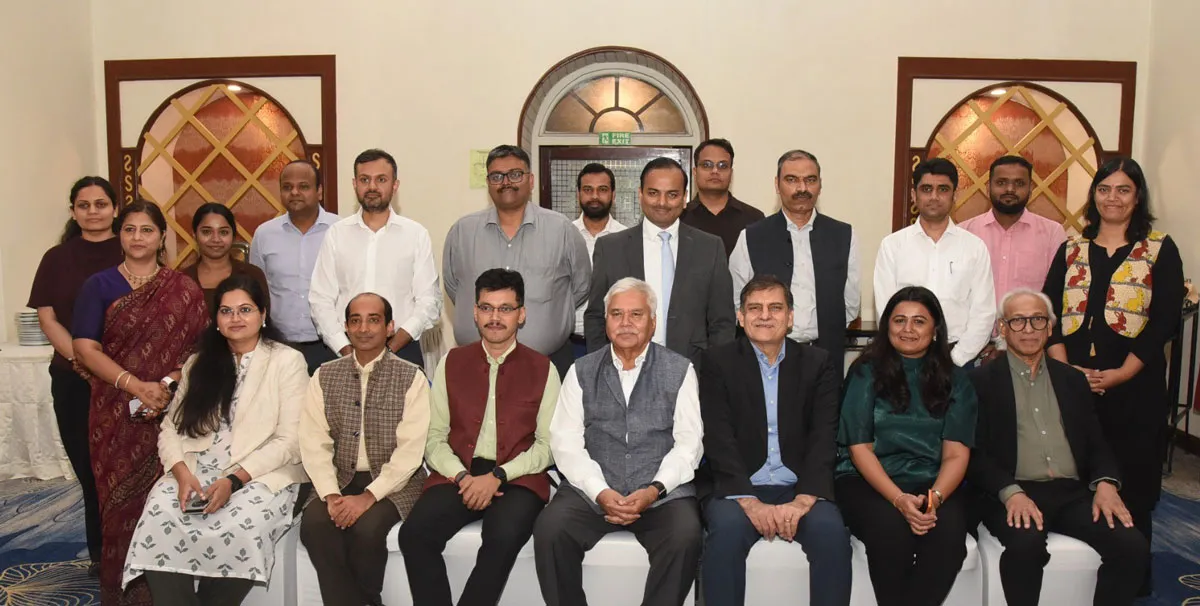
The India Energy Stack (IES) Taskforce has reviewed its Final Report in New Delhi. The document sets out a strategy, architecture, governance framework and pathway to scale IES as digital public infrastructure for India’s power sector. The Ministry of Power constituted the Taskforce in June 2025.The report was presented by Prince Dhawan, Executive Director, REC Limited, and Swetha Ravi Kumar, Executive Director, FSR Global. Dr Ram Sewak Sharma, Chairperson of the Taskforce, outlined the way forward.IES is a common set of open standards and protocols designed to let utilities, regulators, mar..
Next Story
Infrastructure Urban

LANXESS, HINCOL Partner on Road Construction Technologies

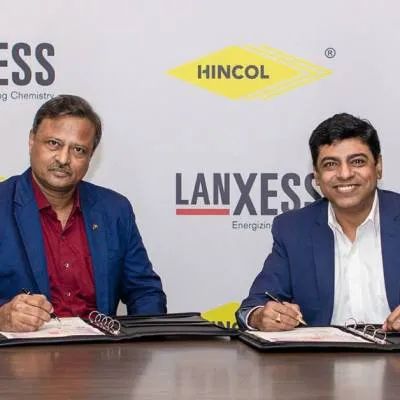
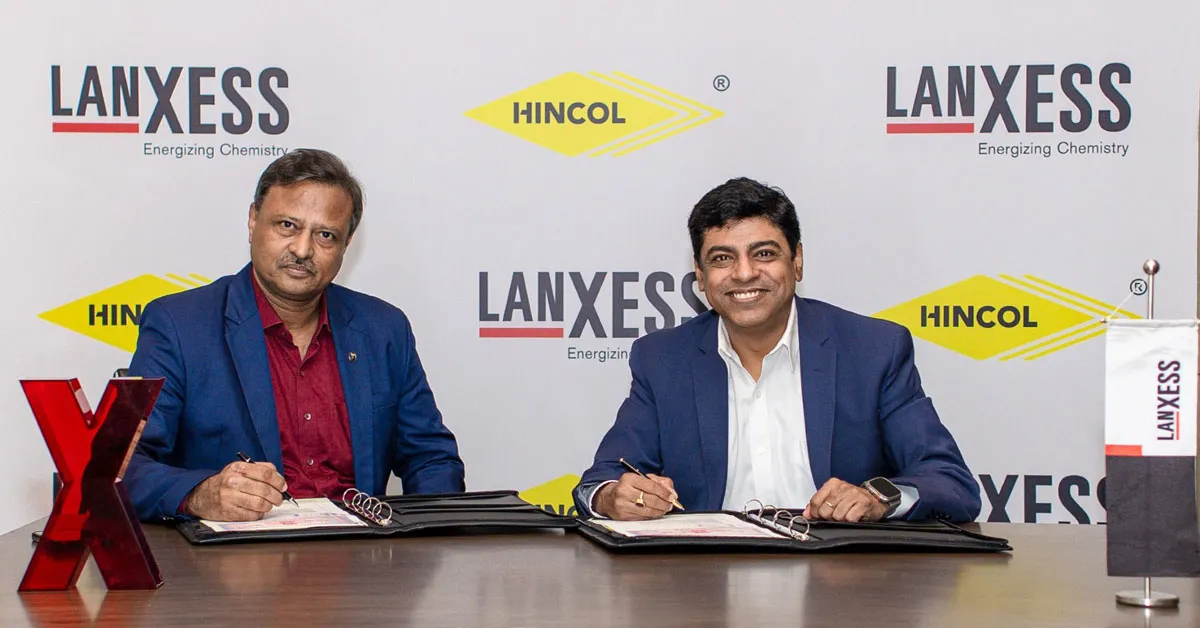
LANXESS India and Hindustan Colas Private Limited (HINCOL) have signed a Memorandum of Understanding to assess technical and commercial opportunities in bitumen and asphalt modification for India’s infrastructure market.The companies will conduct laboratory and commercial-scale evaluations of Addipave CR 36, LANXESS’ cross-linking technology for polymer-modified bitumen (PMB). LANXESS will provide the product, technical expertise and trial support, while HINCOL will contribute testing facilities, operational support and performance assessments under local conditions. The trials will examin..

Advertisement

Subscribe to Our Newsletter

Get daily newsletters around different themes from Construction world.

STAY CONNECTED

Advertisement

SPECIAL OFFER
QR Code