




HAL Wins Rs 5.11 Billion Deal to Build SSLV Rockets
ECONOMY & POLICY

HAL Wins Rs 5.11 Billion Deal to Build SSLV Rockets

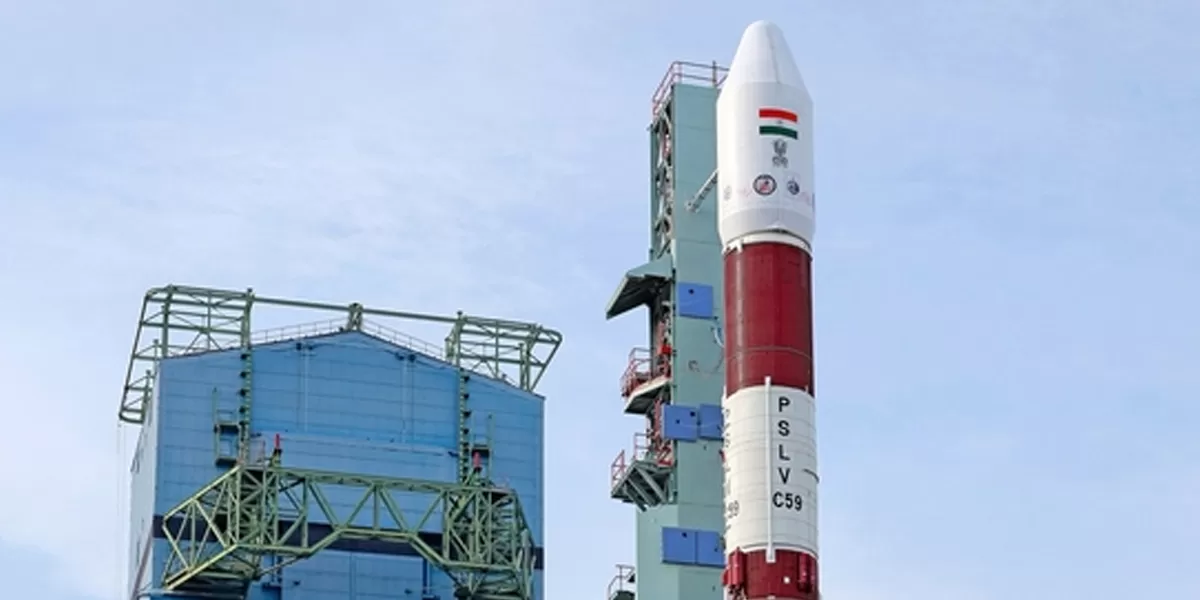
Hindustan Aeronautics Limited (HAL), based in Bengaluru, has secured a major Rs 5.11 billion contract to develop India’s Small Satellite Launch Vehicle (SSLV), following a two-stage techno-commercial bidding process. The announcement was made jointly by the Indian National Space Promotion and Authorisation Centre (IN-SPACe) and the Indian Space Research Organisation (ISRO).

With this win, HAL becomes India’s third rocket manufacturer, following private space tech firms Skyroot Aerospace and Agnikul Cosmos. Under the new mandate, HAL is expected to produce between six and twelve SSLV rockets per year.

According to IN-SPACe chairman Dr. Pawan Kumar Goenka, the project will begin with HAL building two SSLV prototypes over the next two years, during which ISRO will transfer the required technology. HAL emerged as the highest bidder at Rs 5.11 billion, beating out two other consortiums led by Alpha Design (Bengaluru) and Bharat Dynamics Limited (Hyderabad).

The competitive selection process initially shortlisted six firms, narrowing down to three for the final evaluation. The expert selection committee included prominent figures such as former Principal Scientific Adviser to the Government of India, Dr. Vijay Raghavan.

During the initial development phase, HAL is required to use ISRO’s existing supply chain and adhere strictly to the original SSLV design. After this period, the company will have the autonomy to choose its own vendors and incorporate design enhancements under ISRO’s advisory oversight.

Dr. Goenka noted the possibility of design improvements to make the SSLV more efficient and cost-effective. HAL will make an upfront payment from its Rs 5.11 billion bid at the time of signing the contract, with the balance to be paid in instalments over the two-year development period.
+
A HAL representative confirmed the firm’s intent to offer competitively priced satellite launch services once operational but did not disclose specific pricing. The development of SSLVs by HAL is expected to bolster India's small satellite launch capacity and help meet the growing global demand for low-cost, on-demand orbital access.

Hindustan Aeronautics Limited (HAL), based in Bengaluru, has secured a major Rs 5.11 billion contract to develop India’s Small Satellite Launch Vehicle (SSLV), following a two-stage techno-commercial bidding process. The announcement was made jointly by the Indian National Space Promotion and Authorisation Centre (IN-SPACe) and the Indian Space Research Organisation (ISRO).With this win, HAL becomes India’s third rocket manufacturer, following private space tech firms Skyroot Aerospace and Agnikul Cosmos. Under the new mandate, HAL is expected to produce between six and twelve SSLV rockets per year.According to IN-SPACe chairman Dr. Pawan Kumar Goenka, the project will begin with HAL building two SSLV prototypes over the next two years, during which ISRO will transfer the required technology. HAL emerged as the highest bidder at Rs 5.11 billion, beating out two other consortiums led by Alpha Design (Bengaluru) and Bharat Dynamics Limited (Hyderabad).The competitive selection process initially shortlisted six firms, narrowing down to three for the final evaluation. The expert selection committee included prominent figures such as former Principal Scientific Adviser to the Government of India, Dr. Vijay Raghavan.During the initial development phase, HAL is required to use ISRO’s existing supply chain and adhere strictly to the original SSLV design. After this period, the company will have the autonomy to choose its own vendors and incorporate design enhancements under ISRO’s advisory oversight.Dr. Goenka noted the possibility of design improvements to make the SSLV more efficient and cost-effective. HAL will make an upfront payment from its Rs 5.11 billion bid at the time of signing the contract, with the balance to be paid in instalments over the two-year development period.+A HAL representative confirmed the firm’s intent to offer competitively priced satellite launch services once operational but did not disclose specific pricing. The development of SSLVs by HAL is expected to bolster India's small satellite launch capacity and help meet the growing global demand for low-cost, on-demand orbital access.

Next Story
Infrastructure Urban

Teknovace, Remmers Forge Rs 3 Bn Deal for Global Coatings Hub

Teknovace has entered into a strategic global partnership with Germany-based Remmers Gruppe SE to build a large-scale, export-oriented wood coatings manufacturing platform in India. As part of the alliance, Remmers will make a strategic equity investment of Rs 3 billion to acquire a 50.01 per cent stake in Teknovace in two tranches, marking one of the largest foreign strategic investments in India’s wood coatings sector.The partnership comes at a time when India’s wood coatings market, valued at around $1.3 billion (Rs 100 billion), is growing at an estimated 11% annually, driven by demand..

Next Story
Infrastructure Urban

Jyoti Structures Commissions Galvanisation at Second Nashik Unit

Jyoti Structures has commissioned galvanisation operations at its second tower manufacturing unit in Nashik, strengthening its in-house capabilities across critical stages of power transmission infrastructure production. The listed Engineering, Procurement and Construction (EPC) company operates globally and has delivered projects for customers across more than 50 countries.The second Nashik unit, with an annual manufacturing capacity of 36,000 metric tonnes, has become operational following the completion of installation, testing and readiness of the new galvanising facilities. With this deve..

Next Story
Infrastructure Energy

Rosatom Connects First Kursk NPP-2 Unit to National Grid

Rosatom has launched the first power unit of the Kursk Nuclear Power Plant-2 (Kursk NPP-2) into Russia’s Unified Energy System, marking a key milestone in the country’s nuclear energy programme. The initial grid connection took place at the end of the year, bringing a new source of low-carbon electricity online for the Kursk region and the broader Central Energy System.The newly commissioned unit is the first implementation of the VVER-TOI reactor design, which incorporates advanced safety and performance features. With an installed capacity of 1,250 MW, it is the most powerful nuclear pow..

Advertisement

Subscribe to Our Newsletter

Get daily newsletters around different themes from Construction world.

STAY CONNECTED

Advertisement

Advertisement

Advertisement

Advertisement

Open In App