Hyderabad Identifies Two Corridors for Proposed Rapid Transit Network
ECONOMY & POLICY

Hyderabad Identifies Two Corridors for Proposed Rapid Transit Network

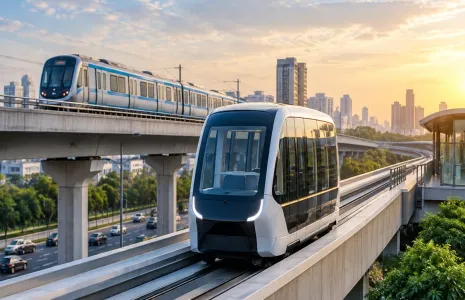
Hyderabad is exploring a Personal Rapid Transit System (PRTS) to improve last-mile connectivity for Metro Rail commuters and ease traffic congestion. Hyderabad Metro Rail (HMRL) and consultant LEA Associates South Asia held a stakeholder workshop after completing a techno-economic feasibility study for the proposed network.

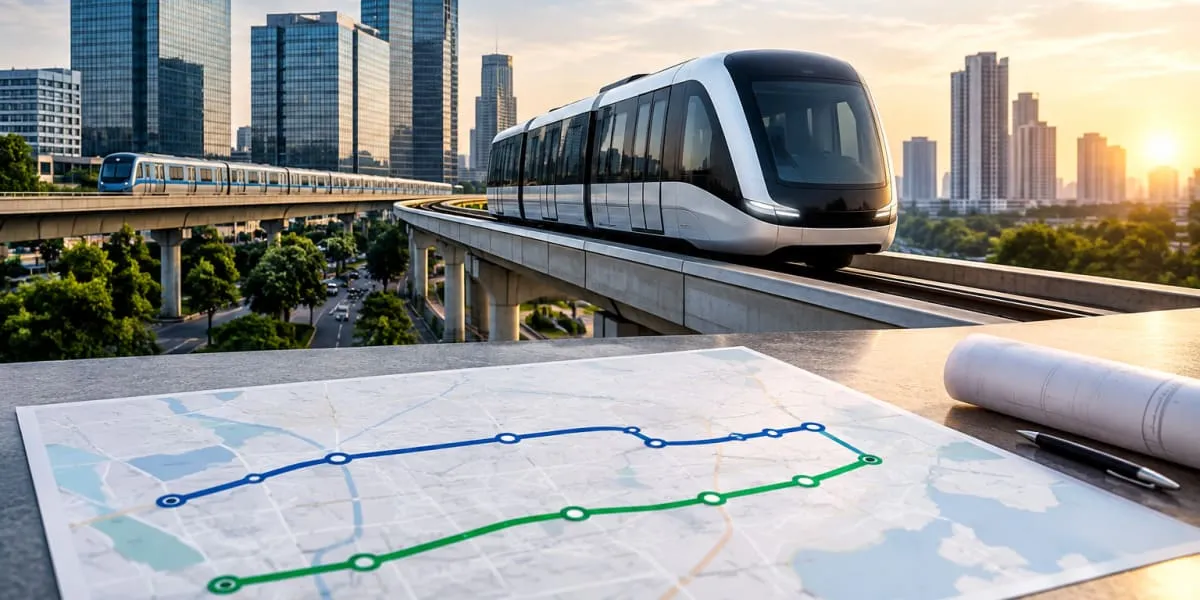
The study identified two corridors for examination. The Raidurg–Kukatpally corridor would connect Raidurg and Hitec City Metro Rail stations with the Financial District, while the Secretariat–Secunderabad corridor would cover Hussainsagar, Begumpet, Assembly and Secunderabad West Metro Rail stations.

Consultants presented the objectives of the study, compared the capacities of different public transport systems and outlined the proposed PRTS network. The assessment also covered ridership, possible depot locations and alignment challenges associated with developing the corridors.

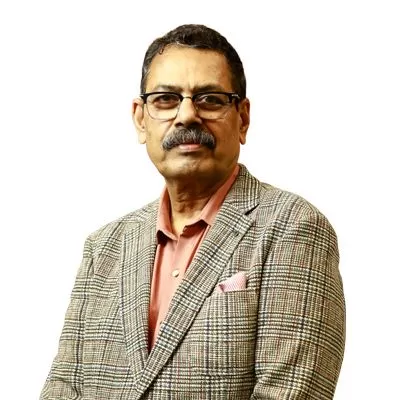
HMRL managing director Sarfaraz Ahmed said feedback was being collected from government and private stakeholders to advance the project. He described the proposed system as a reliable, comfortable, environmentally friendly and technology-driven mobility solution that could support Metro ridership, reduce dependence on private vehicles and address congestion in rapidly expanding urban areas.

The workshop was attended by representatives of the Hyderabad Metropolitan Development Authority, Hyderabad Growth Corridor, Hyderabad Unified Metropolitan Transport Authority, Greater Hyderabad Municipal Corporation, Commissionerate of Municipal Administration and Urban Development, Directorate of Town and Country Planning, Hyderabad and Cyberabad traffic police, Telangana State Industrial Infrastructure Corporation, Telangana Southern Power Distribution Company, Telangana State Road Transport Corporation, South Central Railway and other departments. Academics, engineers and transport planners from IIT Hyderabad, IIIT Hyderabad and Osmania University also participated.

Ahmed said the study followed directions from Telangana Chief Minister A. Revanth Reddy to examine sustainable last-mile solutions around Metro stations and high-density activity centres. The project is proposed under a public-private partnership model, with government adviser N.V.S. Reddy highlighting its potential to connect Metro stations more effectively with commuters’ destinations.

Hyderabad is exploring a Personal Rapid Transit System (PRTS) to improve last-mile connectivity for Metro Rail commuters and ease traffic congestion. Hyderabad Metro Rail (HMRL) and consultant LEA Associates South Asia held a stakeholder workshop after completing a techno-economic feasibility study for the proposed network. The study identified two corridors for examination. The Raidurg–Kukatpally corridor would connect Raidurg and Hitec City Metro Rail stations with the Financial District, while the Secretariat–Secunderabad corridor would cover Hussainsagar, Begumpet, Assembly and Secunderabad West Metro Rail stations. Consultants presented the objectives of the study, compared the capacities of different public transport systems and outlined the proposed PRTS network. The assessment also covered ridership, possible depot locations and alignment challenges associated with developing the corridors. HMRL managing director Sarfaraz Ahmed said feedback was being collected from government and private stakeholders to advance the project. He described the proposed system as a reliable, comfortable, environmentally friendly and technology-driven mobility solution that could support Metro ridership, reduce dependence on private vehicles and address congestion in rapidly expanding urban areas. The workshop was attended by representatives of the Hyderabad Metropolitan Development Authority, Hyderabad Growth Corridor, Hyderabad Unified Metropolitan Transport Authority, Greater Hyderabad Municipal Corporation, Commissionerate of Municipal Administration and Urban Development, Directorate of Town and Country Planning, Hyderabad and Cyberabad traffic police, Telangana State Industrial Infrastructure Corporation, Telangana Southern Power Distribution Company, Telangana State Road Transport Corporation, South Central Railway and other departments. Academics, engineers and transport planners from IIT Hyderabad, IIIT Hyderabad and Osmania University also participated. Ahmed said the study followed directions from Telangana Chief Minister A. Revanth Reddy to examine sustainable last-mile solutions around Metro stations and high-density activity centres. The project is proposed under a public-private partnership model, with government adviser N.V.S. Reddy highlighting its potential to connect Metro stations more effectively with commuters’ destinations.

Related Stories

Gold Stories

Next Story
Infrastructure Urban

Bajaj Auto to Raise Monthly Electric 2W Capacity to 80,000 by March

Bajaj Auto plans to raise monthly production capacity for electric two-wheelers to around 80,000 units by the end of March, as demand for its Chetak electric scooter continues to exceed available output. The company currently has capacity for around 60,000 electric two-wheelers a month. Joint Managing Director Rakesh Sharma said production had returned to the existing full capacity after a supply chain disruption affected output. The issue had reduced recent production to around 40,000 units, resulting in a shortfall of 20,000 vehicles despite strong demand. The company expects to remove produ..

Next Story
Infrastructure Transport

India’s Domestic Air Passenger Traffic Falls 6.5% in September

India’s domestic air passenger traffic declined 6.49 per cent month on month to 11.8 mn in September, according to data released by the Directorate General of Civil Aviation (DGCA). IndiGo retained its leading position, carrying nearly two-thirds of domestic passengers, while the Air India Group remained the second-largest operator. IndiGo held a 65.4 per cent market share and transported 7.73 mn passengers during the month. The Air India Group accounted for 26.8 per cent of the market, carrying 3.165 mn passengers, based on data from the aviation regulator. Akasa Air ranked third with a 5.6..

Next Story
Infrastructure Urban

DPIIT Advances Trust-Based Governance Across India

The Department for Promotion of Industry and Internal Trade (DPIIT), under the Ministry of Commerce and Industry, is shifting India’s regulatory approach from permission-based administration to trust-based governance. The reforms seek to reduce business compliance, support startups, attract investment and simplify approvals across the country. According to an official statement, 47,957 compliance requirements have been reduced across Central Ministries and States and Union Territories. Of these, 22,290 have been digitised, 16,141 simplified, 5,255 decriminalised and 4,271 eliminated. The Jan..

Advertisement

Subscribe to Our Newsletter

Get daily newsletters around different themes from Construction world.

STAY CONNECTED

Advertisement

SPECIAL OFFER
QR Code