ICRA Forecasts 10% Growth in Non-Ferrous Metals Demand for FY202
ECONOMY & POLICY

ICRA Forecasts 10% Growth in Non-Ferrous Metals Demand for FY202

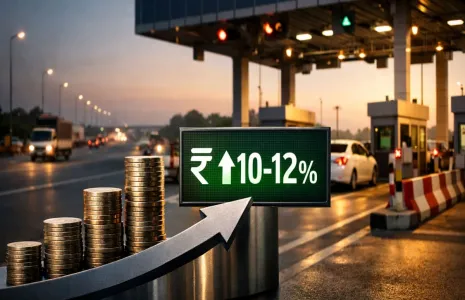
ICRA, a leading credit rating agency, has projected a significant uptick of 10% in the domestic demand for non-ferrous metals during the fiscal year 2025. This growth outlook is underpinned by anticipated recoveries across industrial sectors and increased investments in infrastructure projects nationwide.

The forecasted increase in demand comes amid recovery phases observed in various industries, including automotive, construction, and electrical equipment manufacturing, which are major consumers of non-ferrous metals like aluminium, copper, and zinc. These metals are essential for their lightweight, corrosion resistance, and conductivity properties, making them integral to modern manufacturing processes.

According to ICRA analysts, government initiatives aimed at boosting infrastructure spending, coupled with a rebound in industrial activity, are expected to drive the demand surge. The emphasis on infrastructure projects such as roads, bridges, and renewable energy installations further supports this growth trajectory for non-ferrous metals.

However, challenges such as global supply chain disruptions and fluctuating raw material prices may impact the sector's growth momentum. Mitigating these risks while capitalizing on domestic demand growth remains critical for sustaining the positive outlook in the non-ferrous metals market.

In conclusion, ICRA's optimistic forecast of a 10% increase in domestic non-ferrous metals demand for FY2025 reflects renewed industrial confidence and infrastructure investments, positioning the sector for robust growth amidst evolving economic dynamics.

ICRA, a leading credit rating agency, has projected a significant uptick of 10% in the domestic demand for non-ferrous metals during the fiscal year 2025. This growth outlook is underpinned by anticipated recoveries across industrial sectors and increased investments in infrastructure projects nationwide. The forecasted increase in demand comes amid recovery phases observed in various industries, including automotive, construction, and electrical equipment manufacturing, which are major consumers of non-ferrous metals like aluminium, copper, and zinc. These metals are essential for their lightweight, corrosion resistance, and conductivity properties, making them integral to modern manufacturing processes. According to ICRA analysts, government initiatives aimed at boosting infrastructure spending, coupled with a rebound in industrial activity, are expected to drive the demand surge. The emphasis on infrastructure projects such as roads, bridges, and renewable energy installations further supports this growth trajectory for non-ferrous metals. However, challenges such as global supply chain disruptions and fluctuating raw material prices may impact the sector's growth momentum. Mitigating these risks while capitalizing on domestic demand growth remains critical for sustaining the positive outlook in the non-ferrous metals market. In conclusion, ICRA's optimistic forecast of a 10% increase in domestic non-ferrous metals demand for FY2025 reflects renewed industrial confidence and infrastructure investments, positioning the sector for robust growth amidst evolving economic dynamics.

Next Story
Infrastructure Urban

Implementation Status of Jal Jeevan Mission

Since August 2019 the Government has implemented Jal Jeevan Mission to provide assured potable water through household tap connections in rural India. At the start of the mission only 32.3 million (mn) rural households, representing 16.7 per cent, were reported to have tap water connections. States and union territories have reported that 125.8 mn additional rural households have since been provided with tap connections. As a result, of about 193.6 mn rural households roughly 158.2 mn, or 81.71 per cent, are reported to have tap water supply at home.\n\nThe State, district and village level st..

Next Story
Infrastructure Urban

Jal Jeevan Mission Reaches Eighty One Per Cent Rural Coverage

The Government reported substantial progress under the Jal Jeevan Mission, launched in August 2019 to provide tap water to every rural household. At launch only 32.3 million (mn) rural households had tap connections and states and Union territories reported provision of 125.8 mn additional households by March 2026. Consequently, out of about 193.6 mn rural households around 158.2 mn, or 81.71 per cent, are reported to have tap water at home. The Finance Minister announced extension of the mission until 2028 in the 2025-26 budget speech. The Swachh Bharat Mission Grameen, launched in October 20..

Next Story
Infrastructure Urban

Empowering Local Governance for Sustainable Rural Water Supply

The Ministry of Jal Shakti has aligned the Jal Jeevan Mission (JJM) with the 73rd Amendment to strengthen village level planning and community ownership of water supply. Gram Panchayats, village water and sanitation committees and Pani Samitis are to plan, implement, manage and maintain piped water systems, with gram sabha processes formalising handover and oversight. Implementation support agencies including non government organisations, community based organisations and self help groups have been empanelled to train local committees and promote women participation. Under JJM, the department ..

Advertisement

Subscribe to Our Newsletter

Get daily newsletters around different themes from Construction world.

STAY CONNECTED

Advertisement

Advertisement

Advertisement