


India & France need to expand aerospace and EV ties
ECONOMY & POLICY

India & France need to expand aerospace and EV ties

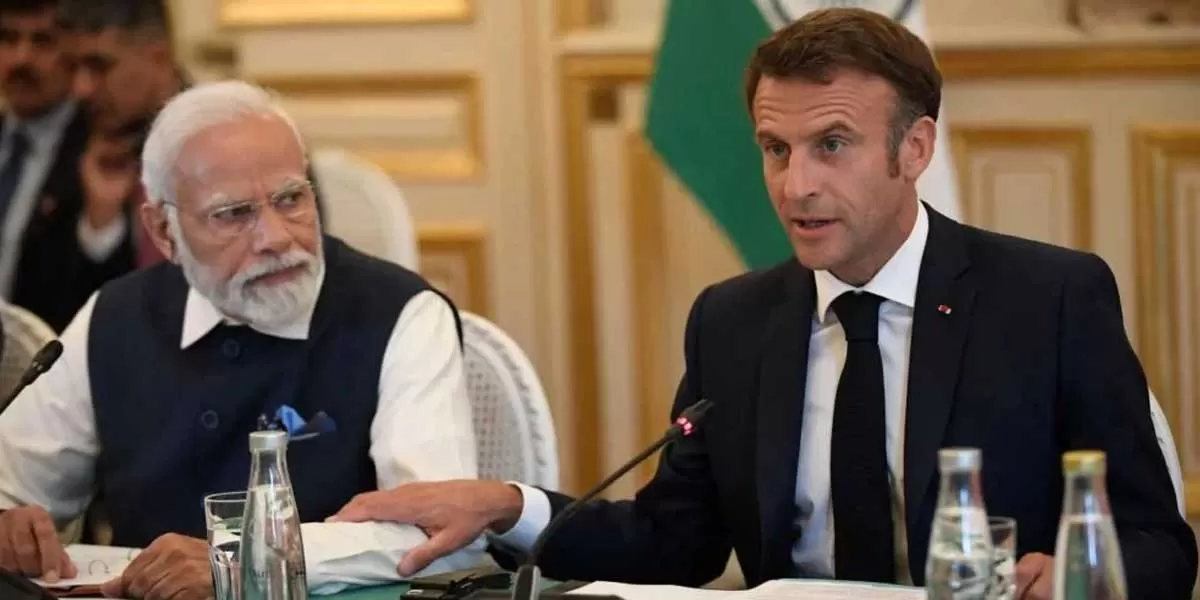
India and France can expand partnerships in aerospace, electric vehicles, agricultural and food processing for mutual benefit of both nations, commerce & industry minister Piyush Goyal said. Speaking at the Asia Pacific Commission (APAC) 2024 Forum organised by the French Foreign Trade Advisors, Goyal said adopting sustainable practices can mitigate adverse impacts of climate change across the world.

Bilateral trade between India and France reached $15 billion in 2023-24, with Indian exports at $7 billion and imports at $8 billion. "France is the 11th largest foreign direct investor for India and over 750 companies have their presence here, with 70 Indian companies working in France," Goyal said.

On the existing partnership between the two countries in renewable energy, he said the International Solar Alliance (ISA) has been a success. "Over 100 countries have taken membership of this alliance co-sponsored and spearheaded by India and France," he said.

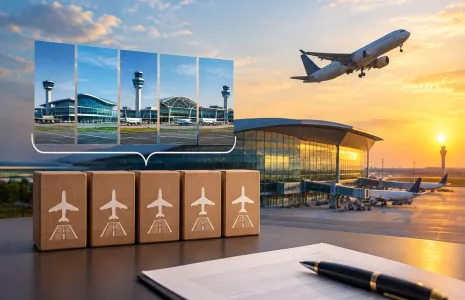
On aerospace sector, Goyal said India is going to be the world's largest aviation market with 1,500 planes ordered with capability of taking the order up to 2,000. "I urge the French aviation sector to explore opportunities for setting up manufacturing facilities here," he said.

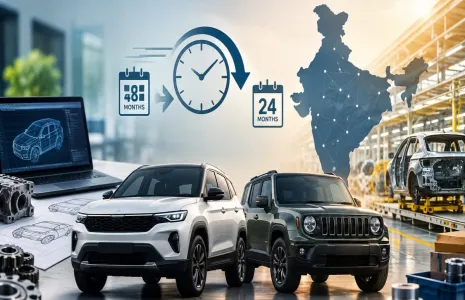
Goyal also said India and France have the potential to co-innovate technologies on automobiles and electric vehicles (EVs). According to him, India has a large pool of first-time vehicle owners and providing them with sustainable options will be easier.

On collaboration in digital technology, Goyal identified fostering startups in cybersecurity, AI, ecommerce and quantum technologies as areas where collaborations are possible. Goyal also called for a greater collaboration with France in the defence sector, highlighting India's robust patent-protected regime, not insisting on technology transfer.

India and France can expand partnerships in aerospace, electric vehicles, agricultural and food processing for mutual benefit of both nations, commerce & industry minister Piyush Goyal said. Speaking at the Asia Pacific Commission (APAC) 2024 Forum organised by the French Foreign Trade Advisors, Goyal said adopting sustainable practices can mitigate adverse impacts of climate change across the world. Bilateral trade between India and France reached $15 billion in 2023-24, with Indian exports at $7 billion and imports at $8 billion. France is the 11th largest foreign direct investor for India and over 750 companies have their presence here, with 70 Indian companies working in France, Goyal said. On the existing partnership between the two countries in renewable energy, he said the International Solar Alliance (ISA) has been a success. Over 100 countries have taken membership of this alliance co-sponsored and spearheaded by India and France, he said. On aerospace sector, Goyal said India is going to be the world's largest aviation market with 1,500 planes ordered with capability of taking the order up to 2,000. I urge the French aviation sector to explore opportunities for setting up manufacturing facilities here, he said. Goyal also said India and France have the potential to co-innovate technologies on automobiles and electric vehicles (EVs). According to him, India has a large pool of first-time vehicle owners and providing them with sustainable options will be easier. On collaboration in digital technology, Goyal identified fostering startups in cybersecurity, AI, ecommerce and quantum technologies as areas where collaborations are possible. Goyal also called for a greater collaboration with France in the defence sector, highlighting India's robust patent-protected regime, not insisting on technology transfer.

Next Story
Infrastructure Urban

Implementation Status of Jal Jeevan Mission

Since August 2019 the Government has implemented Jal Jeevan Mission to provide assured potable water through household tap connections in rural India. At the start of the mission only 32.3 million (mn) rural households, representing 16.7 per cent, were reported to have tap water connections. States and union territories have reported that 125.8 mn additional rural households have since been provided with tap connections. As a result, of about 193.6 mn rural households roughly 158.2 mn, or 81.71 per cent, are reported to have tap water supply at home.\n\nThe State, district and village level st..

Next Story
Infrastructure Urban

Jal Jeevan Mission Reaches Eighty One Per Cent Rural Coverage

The Government reported substantial progress under the Jal Jeevan Mission, launched in August 2019 to provide tap water to every rural household. At launch only 32.3 million (mn) rural households had tap connections and states and Union territories reported provision of 125.8 mn additional households by March 2026. Consequently, out of about 193.6 mn rural households around 158.2 mn, or 81.71 per cent, are reported to have tap water at home. The Finance Minister announced extension of the mission until 2028 in the 2025-26 budget speech. The Swachh Bharat Mission Grameen, launched in October 20..

Next Story
Infrastructure Urban

Empowering Local Governance for Sustainable Rural Water Supply

The Ministry of Jal Shakti has aligned the Jal Jeevan Mission (JJM) with the 73rd Amendment to strengthen village level planning and community ownership of water supply. Gram Panchayats, village water and sanitation committees and Pani Samitis are to plan, implement, manage and maintain piped water systems, with gram sabha processes formalising handover and oversight. Implementation support agencies including non government organisations, community based organisations and self help groups have been empanelled to train local committees and promote women participation. Under JJM, the department ..

Advertisement

Subscribe to Our Newsletter

Get daily newsletters around different themes from Construction world.

STAY CONNECTED

Advertisement

Advertisement

Advertisement















