+
India and Japan Discuss Rare Earth Projects to Cut Reliance on China
ECONOMY & POLICY

India and Japan Discuss Rare Earth Projects to Cut Reliance on China

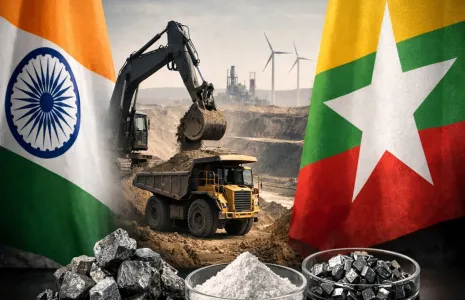
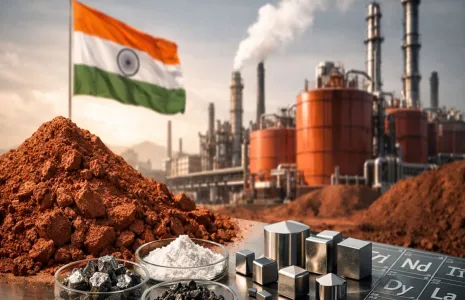
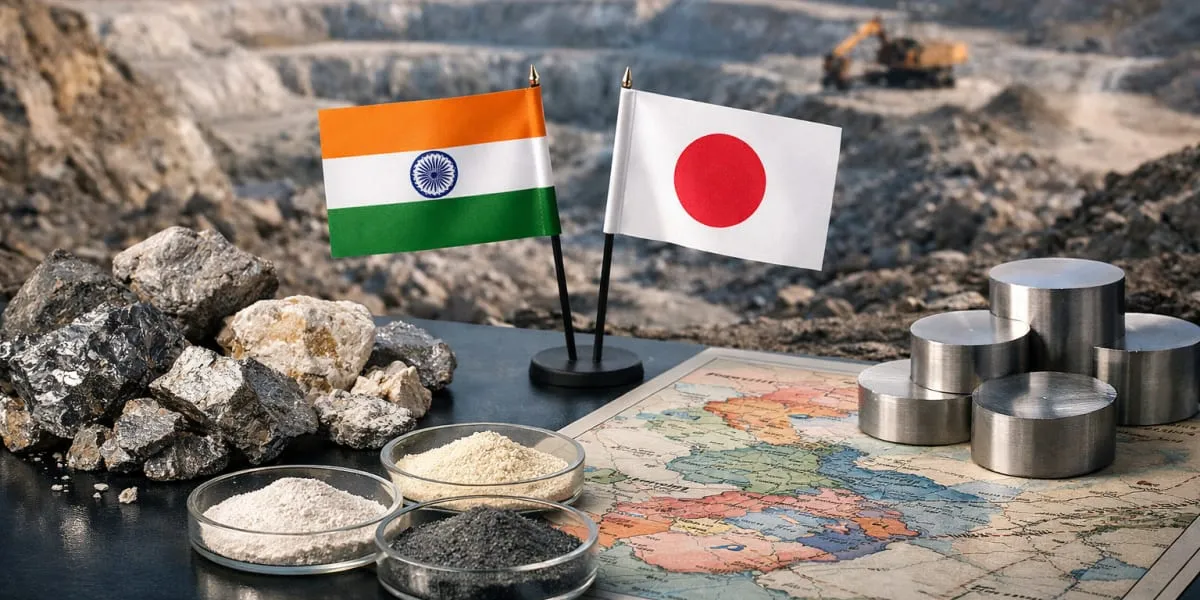
India and Japan are engaged in preliminary discussions to jointly explore rare earth deposits in Rajasthan as part of a strategic effort to reduce reliance on China for critical minerals. Indian authorities have recently identified three hard rock rare earth deposits in Rajasthan and Gujarat containing an estimated 1.29 million (mn) metric tonnes (t) of rare earth oxides, with the discovery announced last month by Union Mines Minister G. Kishan Reddy, who described the findings as capable of strengthening India's mineral security.

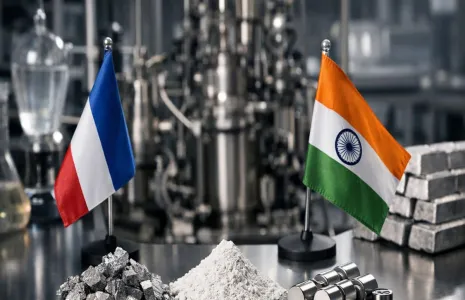
The talks follow a preliminary pact on critical minerals signed last year and envisage the dispatch of Japanese experts to study the deposits. Tokyo is expected to offer advanced extraction technology and financial support in exchange for a stable supply of rare earth materials to Japan. Officials emphasise that discussions remain at an exploratory stage and that no specific corporate partnerships or technology agreements have been finalised.

Hard rock rare earth deposits require specialised extraction techniques that India does not possess at scale, and Japanese technological expertise is seen as a key enabler for developing the reserves. Observers note that successful collaboration would involve long lead times and substantial investment in processing capacity, environmental safeguards and skills development. Both governments plan to prioritise secure, transparent arrangements that balance commercial and strategic objectives.

Rare earth elements are essential for permanent magnets used in electric vehicle motors, wind turbines, fighter jets and drones, and securing supplies has become a strategic priority for fast-growing economies like India. The talks occur amid rising regional tensions after China restricted exports of certain dual-use items affecting a number of rare earth elements, prompting Japan to diversify sources globally, including potential cooperation with India on lithium, copper and cobalt projects overseas. New Delhi regards assured access to these materials as vital for its industrial and defence plans.

India and Japan are engaged in preliminary discussions to jointly explore rare earth deposits in Rajasthan as part of a strategic effort to reduce reliance on China for critical minerals. Indian authorities have recently identified three hard rock rare earth deposits in Rajasthan and Gujarat containing an estimated 1.29 million (mn) metric tonnes (t) of rare earth oxides, with the discovery announced last month by Union Mines Minister G. Kishan Reddy, who described the findings as capable of strengthening India's mineral security. The talks follow a preliminary pact on critical minerals signed last year and envisage the dispatch of Japanese experts to study the deposits. Tokyo is expected to offer advanced extraction technology and financial support in exchange for a stable supply of rare earth materials to Japan. Officials emphasise that discussions remain at an exploratory stage and that no specific corporate partnerships or technology agreements have been finalised. Hard rock rare earth deposits require specialised extraction techniques that India does not possess at scale, and Japanese technological expertise is seen as a key enabler for developing the reserves. Observers note that successful collaboration would involve long lead times and substantial investment in processing capacity, environmental safeguards and skills development. Both governments plan to prioritise secure, transparent arrangements that balance commercial and strategic objectives. Rare earth elements are essential for permanent magnets used in electric vehicle motors, wind turbines, fighter jets and drones, and securing supplies has become a strategic priority for fast-growing economies like India. The talks occur amid rising regional tensions after China restricted exports of certain dual-use items affecting a number of rare earth elements, prompting Japan to diversify sources globally, including potential cooperation with India on lithium, copper and cobalt projects overseas. New Delhi regards assured access to these materials as vital for its industrial and defence plans.

Next Story
Infrastructure Transport

Kavach 4.0 Commissioned on Delhi–Mumbai and Delhi–Howrah

"Kavach version four has been commissioned on 1,452 route km, covering the high density Delhi–Mumbai and Delhi–Howrah corridors. The rollout included laying 8,570 km of optical fibre, installation of 1,100 telecom towers, deployment of trackside equipment over 6,776 RKm and establishment of 767 station data centres. Trackside implementation has been taken up on 24,427 RKm covering Golden Quadrilateral, Golden Diagonal and High Density Network sections. The programme aims to strengthen signalling and train protection on key routes.Kavach is an indigenously developed automatic train protecti..

Next Story
Infrastructure Transport

Railways Advance Kalyan–Murbad Line And Mumbai Capacity Expansion

"Indian Railways is advancing multiple rail infrastructure projects in Maharashtra, including the sanctioned Kalyan–Murbad new line and sizable investments under the Mumbai Urban Transport Project and the Mumbai–Ahmedabad High Speed Rail project. The Kalyan–Murbad 28 km new line has been sanctioned at Rs 8.36 billion (bn) on a 50:50 cost-sharing basis with the Government of Maharashtra and has been declared a Special Railway Project for land acquisition; proposals covering 214 hectares are at various stages of acquisition. Budgetary outlay for projects falling fully or partly in Maharash..

Next Story
Infrastructure Urban

Parliamentary Panel Flags Funding Gaps in Heavy Industries

"The Department-Related Parliamentary Standing Committee on Industry (Rajya Sabha) presented its 332nd report on the Demands for Grants 2026-27 of the Ministry of Heavy Industries (MHI). Figures converted from crore and lakh are expressed in million (mn). The Budget Estimates 2026-27 for the Ministry stand at Rs 79,399 mn against a projected requirement of Rs 94,843.2 mn, a shortfall of about 16 per cent, with revenue at Rs 79,370.8 mn and capital compressed to Rs 28.2 mn from Rs 5,020 mn.The committee flagged recurring BE-to-RE compression and declining revised estimate utilisation, and calle..

Advertisement

Subscribe to Our Newsletter

Get daily newsletters around different themes from Construction world.

STAY CONNECTED

Advertisement

Advertisement

Advertisement