India and Japan Sign Loan Agreements Worth JPY 191.736 Bn
ECONOMY & POLICY

India and Japan Sign Loan Agreements Worth JPY 191.736 Bn

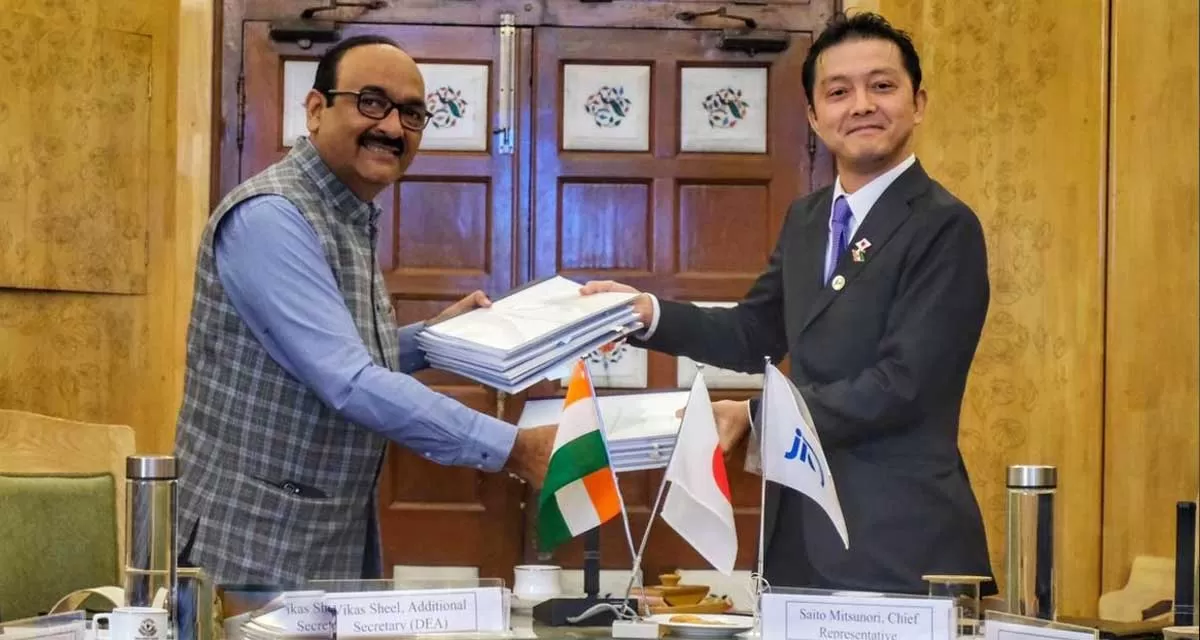
In a significant boost to bilateral economic cooperation, the Government of India and the Government of Japan have signed loan agreements worth JPY 191.736 billion under Japan’s Official Development Assistance (ODA). These agreements will support six key projects across sectors including forest management, water supply, urban transport, aquaculture, biodiversity conservation, and investment promotion.

Loan Agreements Signed Between India and JICA The agreements were signed in New Delhi between the Government of India and the Japan International Cooperation Agency (JICA) for the following projects:

Tamil Nadu Investment Promotion Program (Phase 3) (TNIPP-III) – JPY 36.114 billion Project for Capacity Enhancement for Effective Forest Management – JPY 8.280 billion Project for Construction of Chennai Seawater Desalination Plant (II) – JPY 52.556 billion Delhi Mass Rapid Transport System Project (Phase 4 Additional Corridors) (I) – JPY 79.726 billion Assam State Aquaculture Promotion and Livelihood Improvement Project – JPY 3.580 billion Punjab Biodiversity and Natural Resources Conservation Project – JPY 11.480 billion

Project Highlights & Expected Impact Tamil Nadu Investment Promotion Program (TNIPP-III) aims to attract foreign investment, promote emerging sectors, and provide quality jobs by training the workforce in advanced manufacturing skills.

Chennai Seawater Desalination Plant (II) will ensure a safe and reliable water supply by constructing a seawater desalination plant and related infrastructure, thereby improving living conditions and the investment climate in the Chennai Metropolitan Area (CMA).

Forest Management Project focuses on enhancing the capacity of forest personnel by strengthening institutional frameworks, improving training systems, and implementing pilot projects for biodiversity conservation and climate change mitigation.

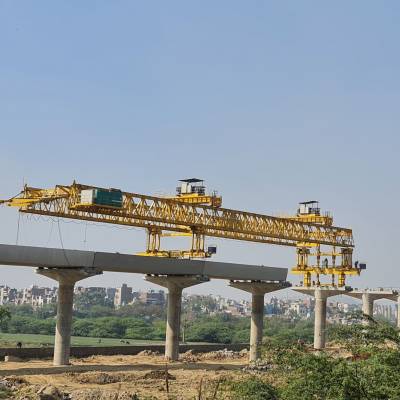
Delhi Metro Phase 4 Additional Corridors will further expand the mass rapid transit system, fostering regional economic development and reducing traffic congestion and vehicular pollution, ultimately contributing to climate change mitigation.

Assam Aquaculture Promotion Project is designed to increase aquaculture production and enhance the rural livelihoods of fisheries stakeholders by developing the fisheries supply chain and strengthening institutional support.

Punjab Biodiversity Conservation Project will enhance ecosystem services, improve climate resilience, and strengthen wetland management by expanding tree cover outside forests, promoting biodiversity conservation, and supporting local livelihoods.

Strengthening India-Japan Strategic Partnership Since 1958, India and Japan have shared a strong and enduring bilateral development partnership. Economic cooperation remains a cornerstone of India-Japan relations, with steady progress in recent years. These projects further reinforce the Strategic and Global Partnership between the two nations, driving sustainable development and economic growth.

In a significant boost to bilateral economic cooperation, the Government of India and the Government of Japan have signed loan agreements worth JPY 191.736 billion under Japan’s Official Development Assistance (ODA). These agreements will support six key projects across sectors including forest management, water supply, urban transport, aquaculture, biodiversity conservation, and investment promotion. Loan Agreements Signed Between India and JICA The agreements were signed in New Delhi between the Government of India and the Japan International Cooperation Agency (JICA) for the following projects: Tamil Nadu Investment Promotion Program (Phase 3) (TNIPP-III) – JPY 36.114 billion Project for Capacity Enhancement for Effective Forest Management – JPY 8.280 billion Project for Construction of Chennai Seawater Desalination Plant (II) – JPY 52.556 billion Delhi Mass Rapid Transport System Project (Phase 4 Additional Corridors) (I) – JPY 79.726 billion Assam State Aquaculture Promotion and Livelihood Improvement Project – JPY 3.580 billion Punjab Biodiversity and Natural Resources Conservation Project – JPY 11.480 billion Project Highlights & Expected Impact Tamil Nadu Investment Promotion Program (TNIPP-III) aims to attract foreign investment, promote emerging sectors, and provide quality jobs by training the workforce in advanced manufacturing skills. Chennai Seawater Desalination Plant (II) will ensure a safe and reliable water supply by constructing a seawater desalination plant and related infrastructure, thereby improving living conditions and the investment climate in the Chennai Metropolitan Area (CMA). Forest Management Project focuses on enhancing the capacity of forest personnel by strengthening institutional frameworks, improving training systems, and implementing pilot projects for biodiversity conservation and climate change mitigation. Delhi Metro Phase 4 Additional Corridors will further expand the mass rapid transit system, fostering regional economic development and reducing traffic congestion and vehicular pollution, ultimately contributing to climate change mitigation. Assam Aquaculture Promotion Project is designed to increase aquaculture production and enhance the rural livelihoods of fisheries stakeholders by developing the fisheries supply chain and strengthening institutional support. Punjab Biodiversity Conservation Project will enhance ecosystem services, improve climate resilience, and strengthen wetland management by expanding tree cover outside forests, promoting biodiversity conservation, and supporting local livelihoods. Strengthening India-Japan Strategic Partnership Since 1958, India and Japan have shared a strong and enduring bilateral development partnership. Economic cooperation remains a cornerstone of India-Japan relations, with steady progress in recent years. These projects further reinforce the Strategic and Global Partnership between the two nations, driving sustainable development and economic growth.

Next Story
Real Estate

AI: The New Recruit

From getting ideas to evaluating designs, presenting concepts to clients and tracking projects, artificial intelligence (AI) is helping architects work better and faster.“AI allows architects to spend more time doing what only they can do: think critically, synthesise complexity and design with intent,” says Dikshu C Kukreja, Managing Principal, CP Kukreja Architects. “Every minute reclaimed from repetitive processes can be invested in creativity, contextual understanding, interdisciplinary collaboration and innovation – the qualities that define meaningful architecture.”To read the ..

Next Story
Real Estate

Redevelopment 2.0

In 2017, Mumbai identified 160,000 ageing buildings due for structural audit. Close to half of these were in the Western Suburbs. Redeveloping the oldest and structurally weakest of these would help unlock new housing, much needed given the city’s growing population density and constant developed area of 437.7 sq km. At 30,600 people per sq km in 2024, Mumbai’s density was almost thrice that of Gurugram, and 60 per cent higher than Bengaluru’s.Essentially, Mumbai’s realty market has demand. It has capital. It has realty development potential.Fast forward to 2026. Mumbai has 1,094 regis..

Next Story
Technology

Cost intelligence will become a strategic contributor to project success

As India's construction industry accelerates its digital transformation, integrated platforms, AI and connected data are becoming essential to improving cost certainty, project efficiency and sustainability. Ravi Kumar, Sales Director – India, RIB Software India, shares how digital workflows are reshaping project planning, commercial management and decision-making across the construction value chain.India's construction sector is embracing digital technologies at an unprecedented pace. From your perspective, what are the biggest shifts driving this transformation and how is RIB Software enab..

Advertisement

Subscribe to Our Newsletter

Get daily newsletters around different themes from Construction world.

STAY CONNECTED

Advertisement

Advertisement

Advertisement