India and Kuwait Sign Defence Pact after PM Modi Meets Leaders
ECONOMY & POLICY

India and Kuwait Sign Defence Pact after PM Modi Meets Leaders

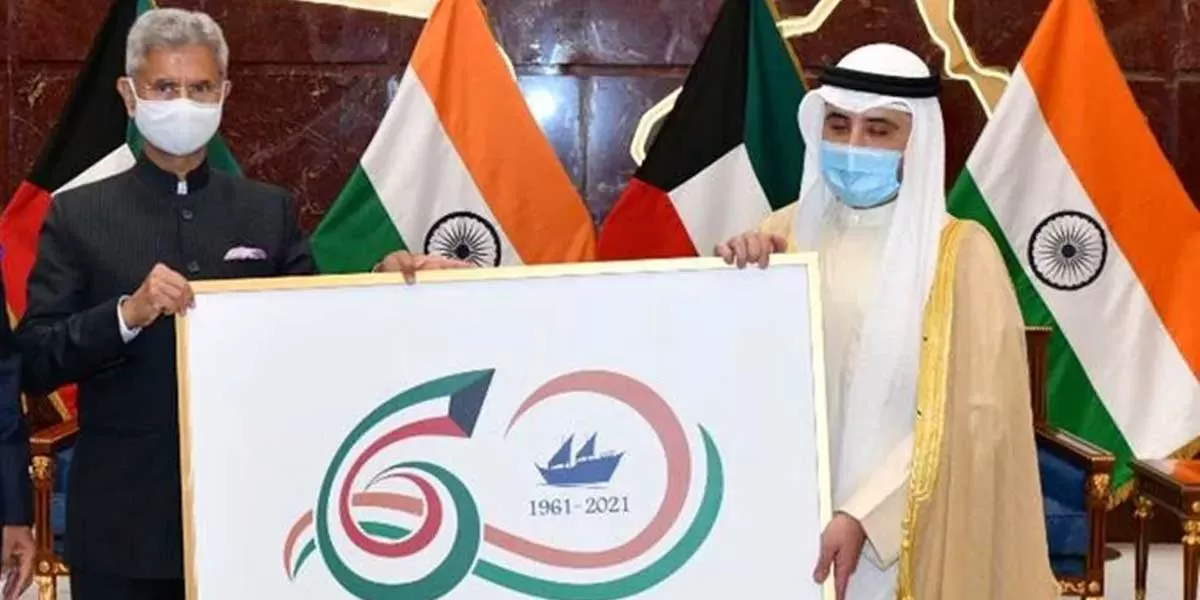
India and Kuwait elevated their relationship to a strategic partnership and signed a significant agreement on defence cooperation after Prime Minister Narendra Modi held extensive talks with Emir Sheikh Meshal Al-Ahmad Al-Jaber Al-Sabah and other senior leaders of Kuwait.

In addition to meeting with the Emir, Modi also held separate discussions with Kuwaiti Prime Minister Ahmad Abdullah Al-Ahmad Al-Sabah and Crown Prince Sabah Al-Khaled Al-Hamad Al-Mubarak Al-Sabah, with the aim of revitalising overall bilateral ties.

During the meetings, four agreements were signed, including a Memorandum of Understanding (MoU) on defence, with others focusing on cooperation in sports, culture, and solar energy.

The two prime ministers discussed a roadmap to strengthen the strategic partnership across various sectors, including trade, investment, energy, defence, security, health, education, technology, and cultural ties, according to the Ministry of External Affairs (MEA).

The defence MoU aims to enhance cooperation in areas such as defence industries, supply of defence equipment, joint exercises, training, personnel exchanges, and research and development, as explained by Arun Kumar Chatterjee, Secretary (Overseas Indian Affairs) in the MEA, during a media briefing.

In a post on 'X', Modi described his talks with the Kuwaiti counterpart as "fruitful," mentioning that the discussions covered the entire spectrum of India-Kuwait relations, including trade, commerce, and people-to-people ties. He also noted the exchange of key MoUs and agreements, which would strengthen bilateral relations.

Modi also invited a delegation from the Kuwaiti Investment Authority and other stakeholders to visit India to explore new opportunities in sectors like energy, defence, medical devices, pharmaceuticals, and food parks.

The Indian Prime Minister’s visit marked the first by an Indian prime minister to Kuwait in 43 years. During their discussions, Modi and the Emir emphasized deepening cooperation in information technology, pharmaceuticals, fintech, infrastructure, and security.

Modi thanked the Emir for ensuring the welfare of over one million Indians in Kuwait, while the Kuwaiti leader acknowledged the contribution of the Indian community to the development of the country.

Chatterjee expressed confidence that this historic visit would mark the beginning of a new chapter in India-Kuwait relations, identifying several areas of cooperation that both sides would work on.

India and Kuwait elevated their relationship to a strategic partnership and signed a significant agreement on defence cooperation after Prime Minister Narendra Modi held extensive talks with Emir Sheikh Meshal Al-Ahmad Al-Jaber Al-Sabah and other senior leaders of Kuwait. In addition to meeting with the Emir, Modi also held separate discussions with Kuwaiti Prime Minister Ahmad Abdullah Al-Ahmad Al-Sabah and Crown Prince Sabah Al-Khaled Al-Hamad Al-Mubarak Al-Sabah, with the aim of revitalising overall bilateral ties. During the meetings, four agreements were signed, including a Memorandum of Understanding (MoU) on defence, with others focusing on cooperation in sports, culture, and solar energy. The two prime ministers discussed a roadmap to strengthen the strategic partnership across various sectors, including trade, investment, energy, defence, security, health, education, technology, and cultural ties, according to the Ministry of External Affairs (MEA). The defence MoU aims to enhance cooperation in areas such as defence industries, supply of defence equipment, joint exercises, training, personnel exchanges, and research and development, as explained by Arun Kumar Chatterjee, Secretary (Overseas Indian Affairs) in the MEA, during a media briefing. In a post on 'X', Modi described his talks with the Kuwaiti counterpart as fruitful, mentioning that the discussions covered the entire spectrum of India-Kuwait relations, including trade, commerce, and people-to-people ties. He also noted the exchange of key MoUs and agreements, which would strengthen bilateral relations. Modi also invited a delegation from the Kuwaiti Investment Authority and other stakeholders to visit India to explore new opportunities in sectors like energy, defence, medical devices, pharmaceuticals, and food parks. The Indian Prime Minister’s visit marked the first by an Indian prime minister to Kuwait in 43 years. During their discussions, Modi and the Emir emphasized deepening cooperation in information technology, pharmaceuticals, fintech, infrastructure, and security. Modi thanked the Emir for ensuring the welfare of over one million Indians in Kuwait, while the Kuwaiti leader acknowledged the contribution of the Indian community to the development of the country. Chatterjee expressed confidence that this historic visit would mark the beginning of a new chapter in India-Kuwait relations, identifying several areas of cooperation that both sides would work on.

Next Story
Infrastructure Transport

Shivraj Chouhan Launches PMGSY IV and Announces Package for Madhya Pradesh

Union Minister Shivraj Singh Chouhan launched the Pradhan Mantri Gram Sadak Yojana (PMGSY) IV at Bhairunda in Sehore district during the 25 year celebrations and announced a development package for Madhya Pradesh. The programme was organised by the Union Ministry of Rural Development and attended by Chief Minister Dr Mohan Yadav, ministers of state, state ministers, legislators and senior officials from the centre and the state. The minister said the central government under the Prime Minister is committed to strengthening rural livelihoods through improved connectivity, housing and women's in..

Next Story
Infrastructure Urban

DMR Engineering Reports FY 25-26 Financial Results

DMR Engineering reported its half year results for the financial year ended 31 March 2026 and published full year figures on a standalone basis. Standalone revenue from operations decreased by 2.01 per cent year-over-year to Rs 102.58 million (mn), while profit after tax declined by 43.94 per cent to nine point five six mn, leaving a profit after tax margin of nine point zero five per cent. Earnings per share stood at Rs zero point nine two, a fall of 44.71 per cent year-over-year. The company attributed part of the decline to one-off provisioning for bad debts and additional financing charges..

Next Story
Infrastructure Urban

Atlanta Electricals Posts Strong FY26 Growth And Debt Free Finish

Atlanta Electricals reported audited consolidated results for the quarter and year ended 31 March 2026. The company recorded significant year-on-year revenue growth driven by capacity ramp-up at new facilities and higher utilisation at legacy plants. The announcement summarised operating improvements and strategic milestones achieved during the year. For Q4 the company reported revenue of Rs 7.48 bn and for FY26 revenue of Rs 18.52 bn, representing robust growth versus the prior year. EBITDA in Q4 was Rs. 1.49 bn and Rs. 3.44 bn for the full year, with margins expanding to 20 per cent in the q..

Advertisement

Subscribe to Our Newsletter

Get daily newsletters around different themes from Construction world.

STAY CONNECTED

Advertisement

Advertisement

Advertisement