+
India Exits Russian-Backed Mali Lithium Project Over Security Risks
ECONOMY & POLICY

India Exits Russian-Backed Mali Lithium Project Over Security Risks

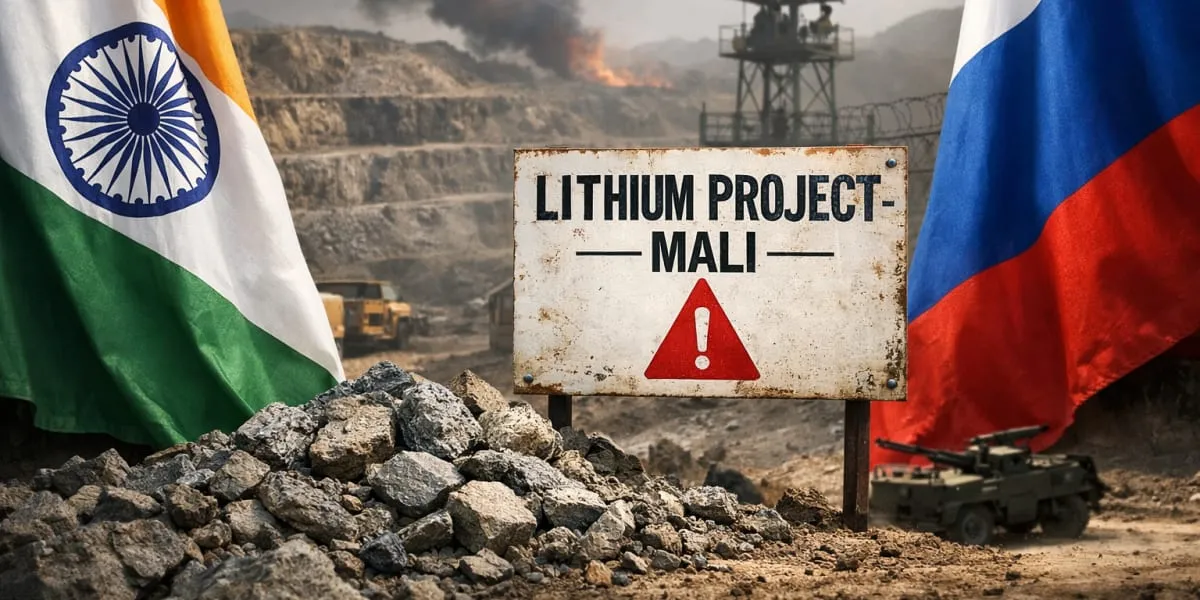
Indian authorities have withdrawn from a Russian-backed lithium exploration project in Mali, citing security risks and operational challenges, according to several media reports. The decision follows a recent assessment of the safety of personnel and project assets in the region. Officials have taken the step to protect staff and limit exposure to activities that could be compromised by instability and to mitigate potential legal and financial exposure.

The move reflects rising concern about the security environment in parts of Mali where insurgent activity and criminal violence have affected international operations. Evaluations conducted by relevant ministries and security agencies identified practical constraints on travel, logistics, communications and site access that undermined the viability of sustained on-the-ground engagement. Partners are reported to have reviewed contractual and insurance arrangements as part of a wider reassessment of project risk.

Lithium is a strategically important mineral for battery manufacture for electric vehicles and energy storage systems, and states have been seeking reliable sources to support domestic and industrial needs. India's withdrawal may alter timelines for the project and prompt the search for alternative avenues to secure critical minerals, including deeper engagement with friendly partners or investment in domestic exploration and processing capacity. Analysts expect that the decision will be weighed against longer term supply chain objectives and regional stability considerations and broader geopolitical dynamics.

Government agencies will continue to monitor developments and evaluate options for constructive participation if security conditions improve and risk mitigants are effective, and they will coordinate with international partners for information sharing and contingency planning. The outcome may include revised partnership structures, enhanced safeguards for personnel, compliance measures to meet host nation requirements and a return to collaboration when on-site conditions permit. Policymakers will balance strategic mineral access with the imperative to ensure safety, operational integrity and confidence among domestic industries and investors.

Indian authorities have withdrawn from a Russian-backed lithium exploration project in Mali, citing security risks and operational challenges, according to several media reports. The decision follows a recent assessment of the safety of personnel and project assets in the region. Officials have taken the step to protect staff and limit exposure to activities that could be compromised by instability and to mitigate potential legal and financial exposure. The move reflects rising concern about the security environment in parts of Mali where insurgent activity and criminal violence have affected international operations. Evaluations conducted by relevant ministries and security agencies identified practical constraints on travel, logistics, communications and site access that undermined the viability of sustained on-the-ground engagement. Partners are reported to have reviewed contractual and insurance arrangements as part of a wider reassessment of project risk. Lithium is a strategically important mineral for battery manufacture for electric vehicles and energy storage systems, and states have been seeking reliable sources to support domestic and industrial needs. India's withdrawal may alter timelines for the project and prompt the search for alternative avenues to secure critical minerals, including deeper engagement with friendly partners or investment in domestic exploration and processing capacity. Analysts expect that the decision will be weighed against longer term supply chain objectives and regional stability considerations and broader geopolitical dynamics. Government agencies will continue to monitor developments and evaluate options for constructive participation if security conditions improve and risk mitigants are effective, and they will coordinate with international partners for information sharing and contingency planning. The outcome may include revised partnership structures, enhanced safeguards for personnel, compliance measures to meet host nation requirements and a return to collaboration when on-site conditions permit. Policymakers will balance strategic mineral access with the imperative to ensure safety, operational integrity and confidence among domestic industries and investors.

Next Story
Infrastructure Transport

Nashik Airport To Get Rs 5.72 Billion (bn) Upgrade Ahead Of Kumbh

Nashik airport will undergo a Rs 5.72 billion (bn) infrastructure upgrade intended to triple passenger handling capacity as the city prepares to host the Kumbh Mela next year. The expansion includes construction of a new 18,250 square metre terminal building with twenty four check-in counters and enhanced passenger facilities. Upon completion the airport's handling capacity is expected to rise to 1,000 passengers per hour. A new apron will double aircraft parking bays to 12 and is expected to improve aircraft handling and ease congestion during peak periods. Maharashtra Chief Minister Devendra..

Next Story
Infrastructure Transport

Noida International Airport Set For Major Expansion

The completion of phase one at Noida International Airport marks a significant milestone in regional aviation infrastructure development and sets the site on course for a major expansion programme. Located in Noida, Uttar Pradesh, the airport has established an initial operational footprint that is intended to support growing passenger and cargo demand in the National Capital Region. Government bodies and project stakeholders have indicated that subsequent phases will be prioritised to build on the foundations laid in the initial stage. The phase one works have provided basic operational capab..

Next Story
Infrastructure Transport

Maharashtra Cabinet Approves Rs 60 Billion Loan For Purandar Airport

The Maharashtra cabinet has approved a proposal to raise a loan of Rs 6,000 crore to finance the Purandar airport project. The decision authorises the state government to secure long term funding to support construction and related infrastructure for the airport near Pune. Officials indicated the measure is intended to accelerate development and strengthen regional connectivity by creating additional aviation capacity. The approval sets the financial framework for the next phase of project planning and implementation. The loan amount of Rs 6,000 crore is equivalent to Rs 60 billion (Rs 60 bn) ..

Advertisement

Subscribe to Our Newsletter

Get daily newsletters around different themes from Construction world.

STAY CONNECTED

Advertisement

Advertisement

Advertisement

Open In App