India's LNG Buyers Seek Flexible Deals amid Qatar Supply Disruptions
ECONOMY & POLICY

India's LNG Buyers Seek Flexible Deals amid Qatar Supply Disruptions

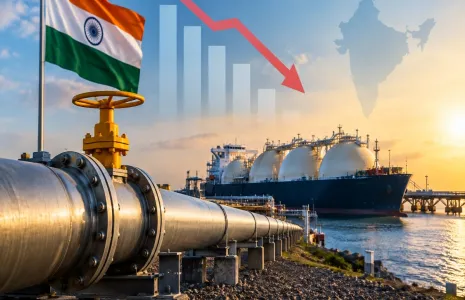
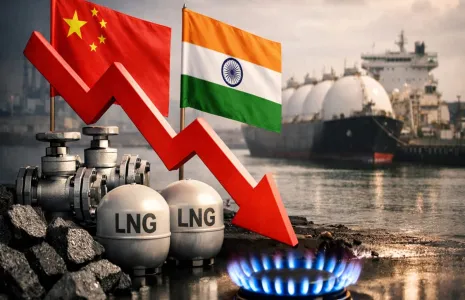
India's liquefied natural gas (LNG) buyers are reassessing procurement strategies and seeking greater flexibility after the Iran war disrupted shipments through the Strait of Hormuz. The disruption has nearly halted LNG supplies from Qatar, India's largest supplier, exposing the risks of contracts tied to individual production facilities and shipping routes.

Indian energy companies are exploring portfolio-based supply agreements that allow suppliers to source LNG from multiple production facilities across their global networks. Gujarat Energy recently signed a 10-year agreement with Abu Dhabi National Oil Company (ADNOC) to procure 4 mn tonnes of LNG from 2028. Petronet LNG is negotiating with QatarEnergy to include US-origin LNG in its renewed 20-year supply agreement.

Petronet currently holds a contract for 7.5 mn tonnes per annum of LNG from Qatar. The agreement, which was originally due to expire in 2028, was renewed two years ago for a further 20 years. Following attacks on Qatar's liquefaction facilities and shipping disruptions through the Strait of Hormuz, Qatar declared force majeure and suspended contractual deliveries.

Portfolio contracts can require suppliers to arrange replacement cargoes from alternative facilities when primary production assets become unavailable. This arrangement is gaining importance as geopolitical tensions reshape energy procurement, although it does not remove counterparty risks. Germany's SEFE previously faced a supply dispute after the Russia-Ukraine war.

Data from commodity analytics firm Kpler showed that estimated portfolio LNG deliveries to India rose by 3.6 mn tonnes year-on-year between March and September, representing approximately 161 per cent growth. Spot purchases also increased by 35 per cent, helping the country maintain imports during the disruption. The shift indicates that Indian buyers are placing greater value on flexibility in supply origins and destinations, while combining fixed-source contracts with diversified portfolio agreements could strengthen energy security and reduce concentration risks.

India's liquefied natural gas (LNG) buyers are reassessing procurement strategies and seeking greater flexibility after the Iran war disrupted shipments through the Strait of Hormuz. The disruption has nearly halted LNG supplies from Qatar, India's largest supplier, exposing the risks of contracts tied to individual production facilities and shipping routes. Indian energy companies are exploring portfolio-based supply agreements that allow suppliers to source LNG from multiple production facilities across their global networks. Gujarat Energy recently signed a 10-year agreement with Abu Dhabi National Oil Company (ADNOC) to procure 4 mn tonnes of LNG from 2028. Petronet LNG is negotiating with QatarEnergy to include US-origin LNG in its renewed 20-year supply agreement. Petronet currently holds a contract for 7.5 mn tonnes per annum of LNG from Qatar. The agreement, which was originally due to expire in 2028, was renewed two years ago for a further 20 years. Following attacks on Qatar's liquefaction facilities and shipping disruptions through the Strait of Hormuz, Qatar declared force majeure and suspended contractual deliveries. Portfolio contracts can require suppliers to arrange replacement cargoes from alternative facilities when primary production assets become unavailable. This arrangement is gaining importance as geopolitical tensions reshape energy procurement, although it does not remove counterparty risks. Germany's SEFE previously faced a supply dispute after the Russia-Ukraine war. Data from commodity analytics firm Kpler showed that estimated portfolio LNG deliveries to India rose by 3.6 mn tonnes year-on-year between March and September, representing approximately 161 per cent growth. Spot purchases also increased by 35 per cent, helping the country maintain imports during the disruption. The shift indicates that Indian buyers are placing greater value on flexibility in supply origins and destinations, while combining fixed-source contracts with diversified portfolio agreements could strengthen energy security and reduce concentration risks.

Related Stories

Gold Stories

Next Story
Infrastructure Transport

India to Develop Civil Aircraft Within Two Years, Build 100 Airports

India aims to develop its own civil aircraft within the next two years as it seeks to strengthen domestic aerospace capabilities and reduce dependence on foreign aircraft manufacturers, Civil Aviation Minister Ram Mohan Naidu said on November 12. He said the ambition extended beyond assembling aircraft to developing expertise in aircraft design and production. Speaking at the inaugural session of the Confederation of Indian Industry (CII) Partnership Summit 2026 in Visakhapatnam, Naidu said India wanted to establish itself as a major aerospace manufacturing hub. The government’s approach is ..

Next Story
Infrastructure Urban

Two Korean Firms to Invest Rs. 13.7 bn in Tamil Nadu

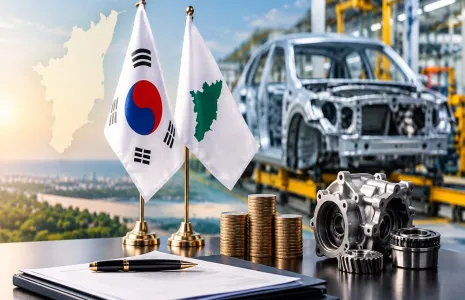
Two South Korean automotive component suppliers to Hyundai and Kia plan to invest a combined Rs. 13.7 bn in Tamil Nadu over the next five years, according to sources in the state industries department. The proposed investments come after a political dispute over the reported movement of some automotive investments to Andhra Pradesh. The state government has received letters of intent (LoIs) from Hwashin and Seoyon, while memorandums of understanding (MoUs) are expected to be signed shortly. Both companies communicated their investment plans in letters dated November 11, reaffirming their inten..

Next Story
Building Material

Cement Makers See Margin Relief as Oil Prices Lower Fuel Costs

Cement makers are set to see a significant improvement in profitability in the second half of FY27 as falling global oil prices reduce the cost of key fuels, including petcoke and coal. Higher cement prices are also expected to support earnings, according to a report by Systematix Group. The cement sector remained resilient in Q2 FY27, with volumes across the companies covered by the brokerage rising 7.2 per cent year-on-year. Higher sales volumes and improved realisations contributed to top-line growth during the quarter, although fuel and packaging expenses remained near-term concerns for ma..

Advertisement

Subscribe to Our Newsletter

Get daily newsletters around different themes from Construction world.

STAY CONNECTED

Advertisement

SPECIAL OFFER
QR Code