Jammu and Kashmir Connectivity Expands Through Rail, Road and Air
ECONOMY & POLICY

Jammu and Kashmir Connectivity Expands Through Rail, Road and Air

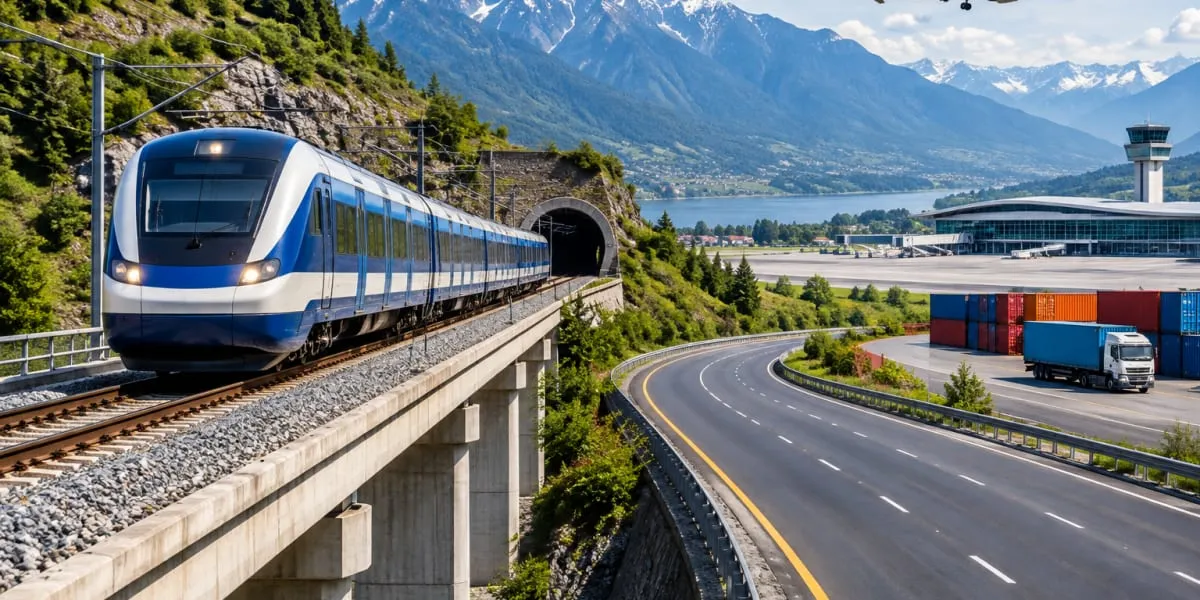
Jammu and Kashmir is expanding rail, road, aviation and cargo infrastructure to improve year-round connectivity, support trade and tourism, and strengthen integration with the national economy. The Udhampur-Srinagar-Baramulla Rail Link (USBRL), inaugurated in June 2025, connects the Kashmir Valley with the national railway network through mountainous terrain.

Built at a cost of Rs. 437.8 bn, the 272-km railway project passes through eight districts and includes 36 tunnels spanning 119 km and 943 bridges. Supporting roads covering more than 215 km have been built, the corridor has been electrified, and the project has generated over 50 mn person-days of employment. Its major structures include the Chenab Rail Bridge, the world’s highest railway arch bridge, and the Anji Khad Bridge, India’s first cable-stayed railway bridge.

Vande Bharat Express services between Katra and Srinagar began in June 2025 and were extended to Jammu Tawi in April 2026, reducing the journey to less than five hours. The trains have been expanded from eight to 20 coaches. Four stations have also been identified for redevelopment under the Amrit Bharat Station Scheme, while proposed rail projects include additional lines linking Jalandhar, Jammu, Katra and Poonch.

Road connectivity is being strengthened through 110 projects covering 598.455 km under the Pradhan Mantri Gram Sadak Yojana-IV. Estimated at more than Rs. 15 bn, the projects are intended to benefit 46,972 people. The 6.4-km Sonamarg Tunnel, completed at a cost exceeding Rs. 27 bn, provides all-weather access, while the 13.153-km Zojila Tunnel is being built along NH 1. The Rs. 68.08 bn project reached its main-tunnel breakthrough in June 2026.

Expansion at Srinagar International Airport, approved at Rs. 16.77 bn, will add a 71,500-square-metre terminal capable of handling 10 mn passengers annually, 15 aircraft bays and parking for 1,000 cars. Regional airports are planned at Udhampur and Kishtwar. A multimodal cargo terminal in Samba is operational, with three more proposed in Kathua, Anantnag and Jammu to improve market access for agricultural and traditional products.

Jammu and Kashmir is expanding rail, road, aviation and cargo infrastructure to improve year-round connectivity, support trade and tourism, and strengthen integration with the national economy. The Udhampur-Srinagar-Baramulla Rail Link (USBRL), inaugurated in June 2025, connects the Kashmir Valley with the national railway network through mountainous terrain. Built at a cost of Rs. 437.8 bn, the 272-km railway project passes through eight districts and includes 36 tunnels spanning 119 km and 943 bridges. Supporting roads covering more than 215 km have been built, the corridor has been electrified, and the project has generated over 50 mn person-days of employment. Its major structures include the Chenab Rail Bridge, the world’s highest railway arch bridge, and the Anji Khad Bridge, India’s first cable-stayed railway bridge. Vande Bharat Express services between Katra and Srinagar began in June 2025 and were extended to Jammu Tawi in April 2026, reducing the journey to less than five hours. The trains have been expanded from eight to 20 coaches. Four stations have also been identified for redevelopment under the Amrit Bharat Station Scheme, while proposed rail projects include additional lines linking Jalandhar, Jammu, Katra and Poonch. Road connectivity is being strengthened through 110 projects covering 598.455 km under the Pradhan Mantri Gram Sadak Yojana-IV. Estimated at more than Rs. 15 bn, the projects are intended to benefit 46,972 people. The 6.4-km Sonamarg Tunnel, completed at a cost exceeding Rs. 27 bn, provides all-weather access, while the 13.153-km Zojila Tunnel is being built along NH 1. The Rs. 68.08 bn project reached its main-tunnel breakthrough in June 2026. Expansion at Srinagar International Airport, approved at Rs. 16.77 bn, will add a 71,500-square-metre terminal capable of handling 10 mn passengers annually, 15 aircraft bays and parking for 1,000 cars. Regional airports are planned at Udhampur and Kishtwar. A multimodal cargo terminal in Samba is operational, with three more proposed in Kathua, Anantnag and Jammu to improve market access for agricultural and traditional products.

Related Stories

Gold Stories

Next Story
Infrastructure Transport

Alstom Automates Bengaluru Metro's 7.5 km Pink Line Section

Alstom has announced the commencement of passenger services on the 7.5 km elevated priority section of Bengaluru Metro's Pink Line Reach 6, equipped with its communications-based train control (CBTC) signalling technology. The section connects key residential, educational and healthcare hubs across South Bengaluru, strengthening the city's urban transport network.The priority section operates under Grade of Automation 2 (GoA2), enabling automatic train operation (ATO) from the first day of revenue service, a first for an Indian metro project. Under this system, train acceleration and braking a..
Next Story
Infrastructure Transport

Alstom Begins Production of 96 Driverless Chennai Metro Cars

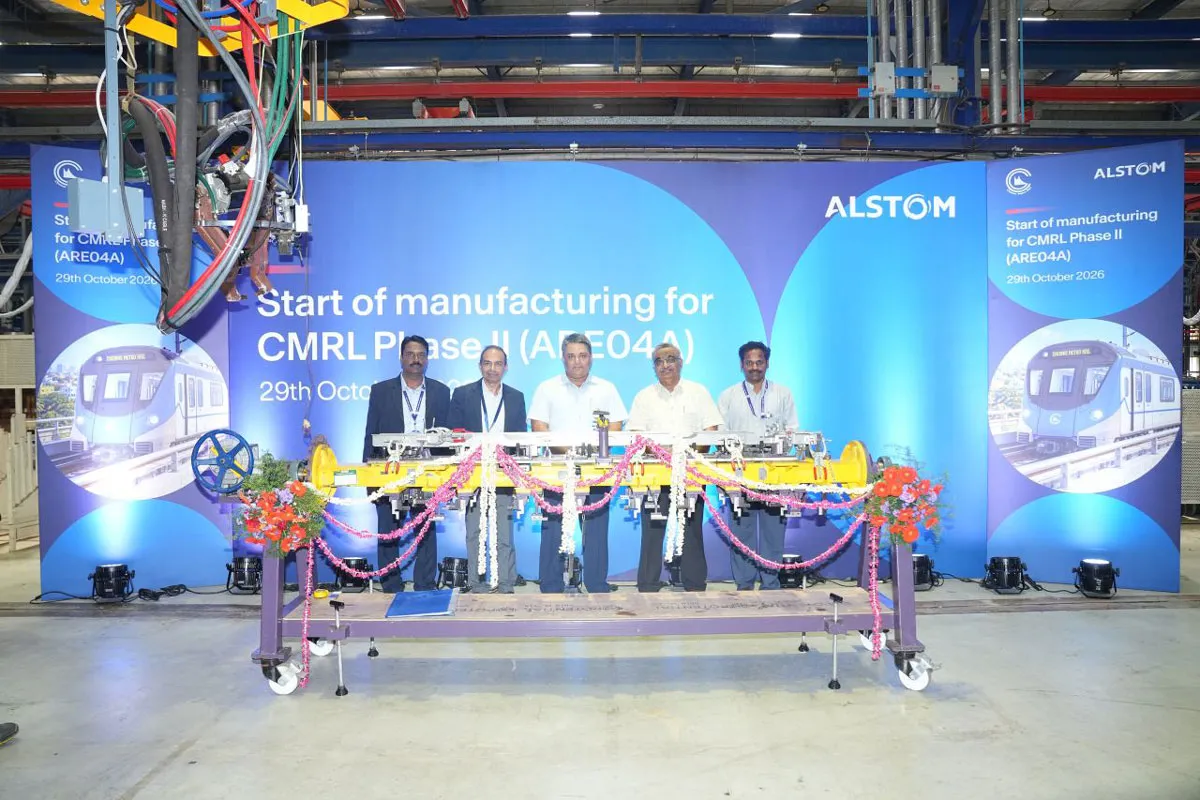
Alstom has commenced manufacturing 96 Metropolis driverless metro cars for Chennai Metro Phase II at its Sri City facility in Andhra Pradesh. The production forms part of a €135 million contract awarded by Chennai Metro Rail Limited (CMRL) in 2025, covering the design and manufacture of 32 three-car trainsets and 15 years of comprehensive maintenance following the warranty period.Chennai Metro Phase II spans approximately 119 km across three corridors and associated inter-corridor sections, comprising more than 76 km of elevated tracks and 43 km of underground routes.Under the Make in India ..
Next Story
Products

Hafele launches Alustro flexible shelving system

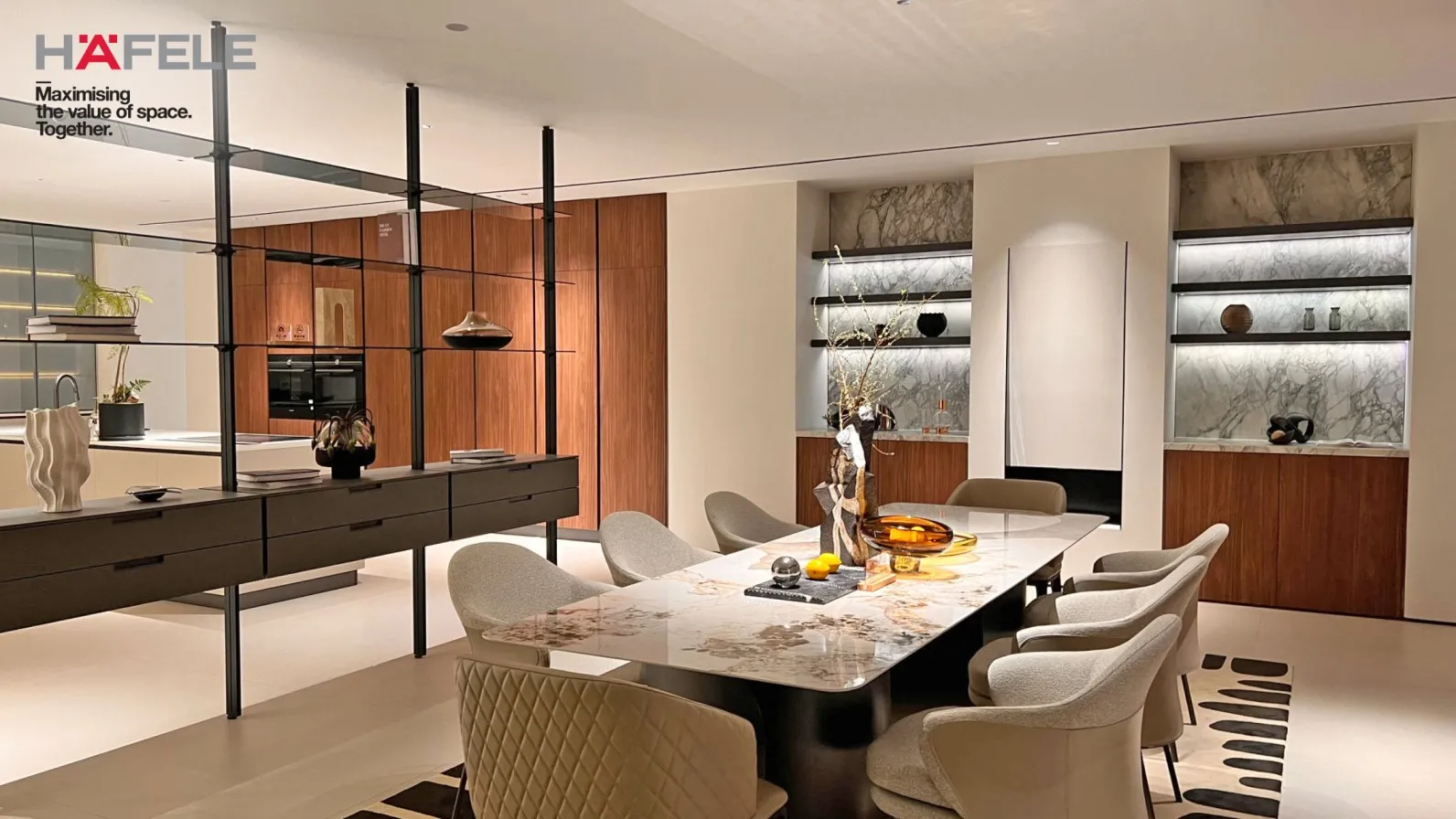
Häfele India has introduced the Alustro Flexible Shelving System, a modular storage solution designed to maximise space and offer flexibility in residential interiors. The system can be configured for applications such as room dividers, walk-in wardrobes, kitchen units, wall-mounted shelves and vanity mirrors.Alustro allows users to combine aluminium, wooden and glass shelves within a single structure. It supports shelf heights of up to 3,000 mm and section widths of up to 1,164 mm. Additional options include coat stand profiles with protective gaskets for wardrobes and front- or rear-facing ..

Advertisement

Subscribe to Our Newsletter

Get daily newsletters around different themes from Construction world.

STAY CONNECTED

Advertisement

SPECIAL OFFER
QR Code