Maharashtra To Set Up 200 EV Charging Stations Under PPP Model
ECONOMY & POLICY

Maharashtra To Set Up 200 EV Charging Stations Under PPP Model

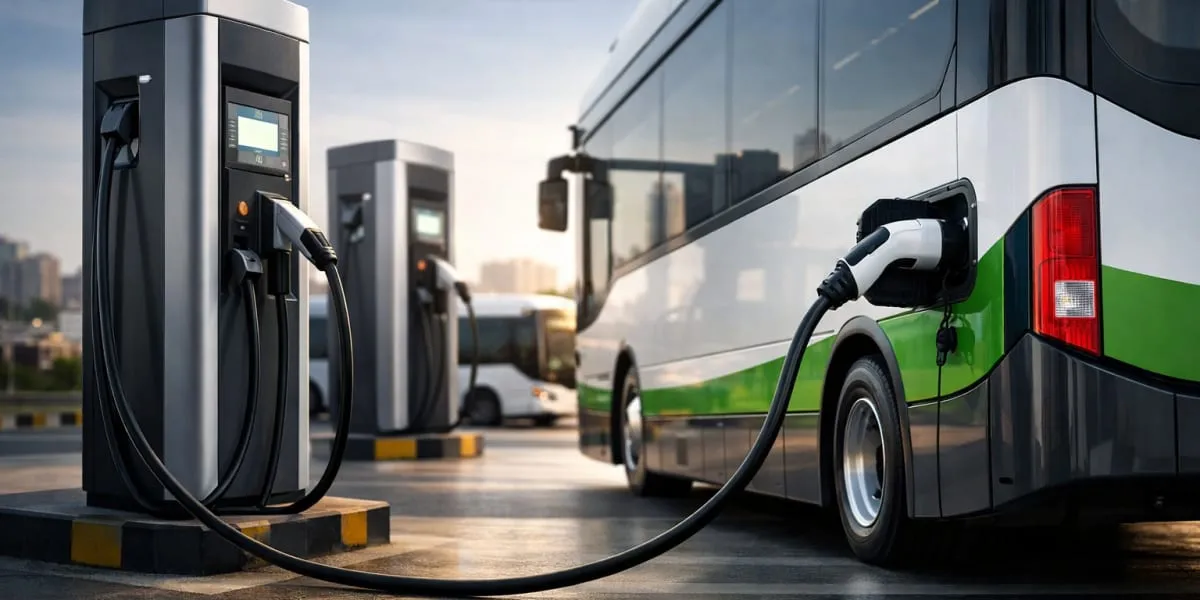
The Maharashtra government and the State Transport Corporation will set up 200 electric vehicle charging stations across the state under a public-private partnership model as part of a roadmap to convert the entire State Transport bus fleet to electric buses by 2035, Transport Minister Pratap Sarnaik said. The initiative is intended to build charging infrastructure capable of supporting nearly 20,000 electric buses over the coming years. The plan was outlined at a review meeting held at the Mantralaya.

Charging stations will be developed on available MSRTC land parcels, with private developers allotted designated plots for construction and operation, Sarnaik said. Under the proposed arrangement, developers will receive about 1,500 square feet of space on lease at each site and will be permitted to offer charging services to private electric vehicles during hours when State Transport buses are not using the facilities. The model aims to balance public service needs with commercial viability.

The transport minister indicated that the arrangement is expected to help MSRTC access charging facilities at affordable rates while generating revenue through lease rentals and a share in profits earned from private charging operations. The tendering process for the PPP project will begin in the next few days, according to officials, and the government views the move as a step towards making the state-run corporation self-reliant in adopting environment-friendly buses. The scheme is presented as part of wider efforts to reduce emissions and modernise the fleet.

The review meeting was attended by MSRTC Vice Chairman and Managing Director Dr Madhav Kusekar, Financial Advisor Girish Deshmukh and other senior officials who discussed operational and commercial aspects of the rollout. Developers will be responsible for construction, day-to-day management and maintenance of charging hubs, while MSRTC will retain oversight and regulatory control of sites on its land. Officials indicated that allowing private vehicles to use the chargers during non-operational hours will improve utilisation and support the commercial case for investors.

The Maharashtra government and the State Transport Corporation will set up 200 electric vehicle charging stations across the state under a public-private partnership model as part of a roadmap to convert the entire State Transport bus fleet to electric buses by 2035, Transport Minister Pratap Sarnaik said. The initiative is intended to build charging infrastructure capable of supporting nearly 20,000 electric buses over the coming years. The plan was outlined at a review meeting held at the Mantralaya. Charging stations will be developed on available MSRTC land parcels, with private developers allotted designated plots for construction and operation, Sarnaik said. Under the proposed arrangement, developers will receive about 1,500 square feet of space on lease at each site and will be permitted to offer charging services to private electric vehicles during hours when State Transport buses are not using the facilities. The model aims to balance public service needs with commercial viability. The transport minister indicated that the arrangement is expected to help MSRTC access charging facilities at affordable rates while generating revenue through lease rentals and a share in profits earned from private charging operations. The tendering process for the PPP project will begin in the next few days, according to officials, and the government views the move as a step towards making the state-run corporation self-reliant in adopting environment-friendly buses. The scheme is presented as part of wider efforts to reduce emissions and modernise the fleet. The review meeting was attended by MSRTC Vice Chairman and Managing Director Dr Madhav Kusekar, Financial Advisor Girish Deshmukh and other senior officials who discussed operational and commercial aspects of the rollout. Developers will be responsible for construction, day-to-day management and maintenance of charging hubs, while MSRTC will retain oversight and regulatory control of sites on its land. Officials indicated that allowing private vehicles to use the chargers during non-operational hours will improve utilisation and support the commercial case for investors.

Next Story
Real Estate

WSB Invests in Omaxe for Tier II Expansion

WSB Partners, a real estate-focused investment firm, has invested Rs 750 million in Omaxe Group to support residential plotted developments in Ujjain and Indore.The investment marks WSB’s entry into Tier II markets and reflects growing institutional interest in emerging cities supported by infrastructure growth, improving affordability and rising housing demand.According to the companies, the funding will be deployed primarily as growth capital, with a portion allocated towards working capital and reserves. The investment has been undertaken alongside affiliates of WSB Partners and co-invest..

Next Story
Infrastructure Transport

RAHSTA Awards 2026 Opens for India’s Leading Road Developers

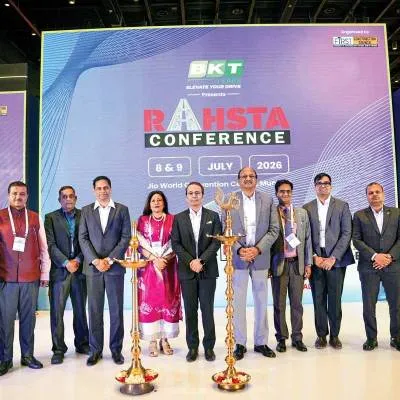
RAHSTA (Roads and Highways Sustainable Technologies & Advancement), Asia’s leading road infrastructure platform, has officially opened nominations for the RAHSTA Awards 2026 under the Road Developers category. The awards will honour companies and organisations that are shaping India’s highway infrastructure landscape through innovation, sustainability, quality execution and efficient asset management.Scheduled alongside RAHSTA 2026 on July 8–9, 2026 at the Jio World Convention Centre, Mumbai, the awards have emerged as one of the most respected recognitions for the roads and highways..

Next Story
Infrastructure Transport

Railways To Sell 10 per cent In PSUs To Raise Rs Two Point Six Two tn

The railway ministry has outlined a plan to sell up to 10 per cent stakes in several public sector undertakings as part of a broader asset monetisation drive. The move is designed to unlock value and generate funds for capital expenditure and network modernisation. The programme targets private participation through offer for sale and minority stake divestments across operating and finance entities. The initiative follows previous asset recycling efforts and seeks to capture market interest for strategic holdings. The target for the exercise is Rs two point six two trillion (tn) to be realised..

Advertisement

Subscribe to Our Newsletter

Get daily newsletters around different themes from Construction world.

STAY CONNECTED

Advertisement

Advertisement

Advertisement

-->