Rail Network To Be Upgraded To 220 kmph, Says Railways Minister
RAILWAYS & METRO RAIL

Rail Network To Be Upgraded To 220 kmph, Says Railways Minister

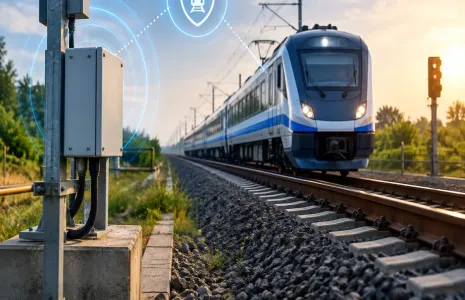
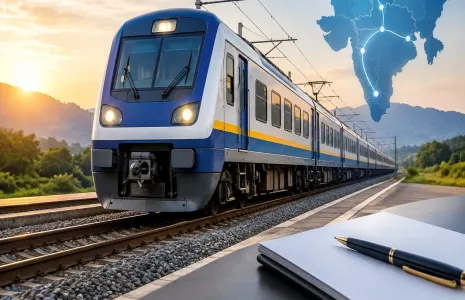
Railways minister Ashwini Vaishnaw announced a plan to upgrade the national rail network to run trains at 220 kmph on selected corridors. The move forms part of a wider drive to modernise infrastructure and accelerate passenger services across the country. Government officials said the initiative will prioritise high-density routes and newly built tracks where alignment and signalling permit higher speeds. The announcement frames faster services as a key component of transport policy for improved connectivity.

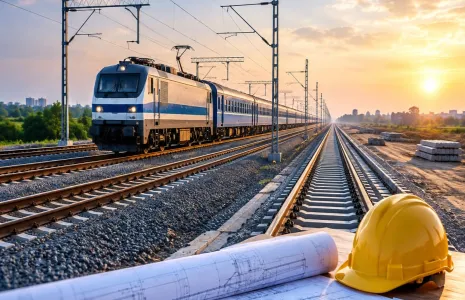
Implementation will involve comprehensive track renewal, enhanced signalling systems and dedicated maintenance regimes to meet the demands of higher-speed operation. Upgrades will address track geometry, overhead electrification and elimination of level crossings to raise safety margins and operational reliability. The plan also includes training for staff and adoption of rolling stock compatible with increased speeds. Detailed trials and progressive validation of systems will underpin safety certification before commercial operations commence.

Officials indicated that reducing journey times on intercity routes will be a primary benefit, with timetables reworked to improve punctuality and service frequency. The acceleration of services is presented as a way to strengthen regional links and support economic activity by cutting travel times for commuters and long-distance travellers. Freight operations will be managed to avoid conflicts with faster passenger services through scheduling and infrastructure segregation.

The government plans a phased roll-out with pilot stretches used to refine technical standards and operational practices before wider adoption. Implementation will require coordination with state authorities, regulatory clearances and mobilisation of capital, and officials said public private collaboration will be explored for funding and execution. Vaishnaw portrayed the initiative as a strategic investment in mobility and infrastructure that aims to transform travel experience over coming years.

"Join industry leaders at RAHSTA Expo, India's premier platform for roads, highways and traffic infrastructure. Register now to explore innovations, network with experts and shape the future of mobility."

Railways minister Ashwini Vaishnaw announced a plan to upgrade the national rail network to run trains at 220 kmph on selected corridors. The move forms part of a wider drive to modernise infrastructure and accelerate passenger services across the country. Government officials said the initiative will prioritise high-density routes and newly built tracks where alignment and signalling permit higher speeds. The announcement frames faster services as a key component of transport policy for improved connectivity. Implementation will involve comprehensive track renewal, enhanced signalling systems and dedicated maintenance regimes to meet the demands of higher-speed operation. Upgrades will address track geometry, overhead electrification and elimination of level crossings to raise safety margins and operational reliability. The plan also includes training for staff and adoption of rolling stock compatible with increased speeds. Detailed trials and progressive validation of systems will underpin safety certification before commercial operations commence. Officials indicated that reducing journey times on intercity routes will be a primary benefit, with timetables reworked to improve punctuality and service frequency. The acceleration of services is presented as a way to strengthen regional links and support economic activity by cutting travel times for commuters and long-distance travellers. Freight operations will be managed to avoid conflicts with faster passenger services through scheduling and infrastructure segregation. The government plans a phased roll-out with pilot stretches used to refine technical standards and operational practices before wider adoption. Implementation will require coordination with state authorities, regulatory clearances and mobilisation of capital, and officials said public private collaboration will be explored for funding and execution. Vaishnaw portrayed the initiative as a strategic investment in mobility and infrastructure that aims to transform travel experience over coming years.

Next Story
Real Estate

Omaxe to Invest Rs 62 Billion in Hospitality Expansion

Omaxe has announced the launch of a dedicated hospitality business vertical with plans to develop 19 hotels across five states over the next four to five years as part of its strategy to strengthen recurring revenues and expand its integrated development ecosystem.The real estate developer proposes to invest approximately Rs 62 billion, subject to regulatory approvals and market conditions, to develop nearly 5 million sq ft of hospitality assets across high-growth urban centres, pilgrimage destinations and transit corridors.The proposed portfolio will be integrated with Omaxe's existing townsh..

Next Story
Infrastructure Transport

Third Railway Line Between Tatanagar And Adityapur Likely By September

The third railway line between Tatanagar and Adityapur is expected to be commissioned by September as work on the corridor advances, according to railway sources. The project to add a fourth line on the busy route is progressing and has been allocated Rs 50.89 billion (bn) in funding. The allocation underscores the focus on increasing capacity and easing congestion on the corridor. Relevant timetables are being adjusted to integrate the new capacity into regular operations. Construction activity has involved track laying, formation work and signalling upgrades along strategic stretches, with m..

Next Story
Infrastructure Transport

Indian Railways Approves Rs 2.7 bn Kavach Rollout in Odisha

Indian Railways has approved a Rs 2.7 billion (Rs 2.7 bn) plan to install the Kavach train collision avoidance system on 631 route kilometres in the East Coast Railway zone. The Ministry of Railways said the work will form part of a wider Kavach deployment programme that relies on an LTE based communication backbone rather than a standalone installation. The approval marks the latest stage in the steady expansion of the indigenous safety technology across the national network. The decision aims to enhance safety and reliability on corridors serving Odisha and adjoining areas. The project will ..

Advertisement

Subscribe to Our Newsletter

Get daily newsletters around different themes from Construction world.

STAY CONNECTED

Advertisement

Advertisement

Advertisement