MCD to Centralise Parking Payments to Curb Revenue Loss
ECONOMY & POLICY

MCD to Centralise Parking Payments to Curb Revenue Loss

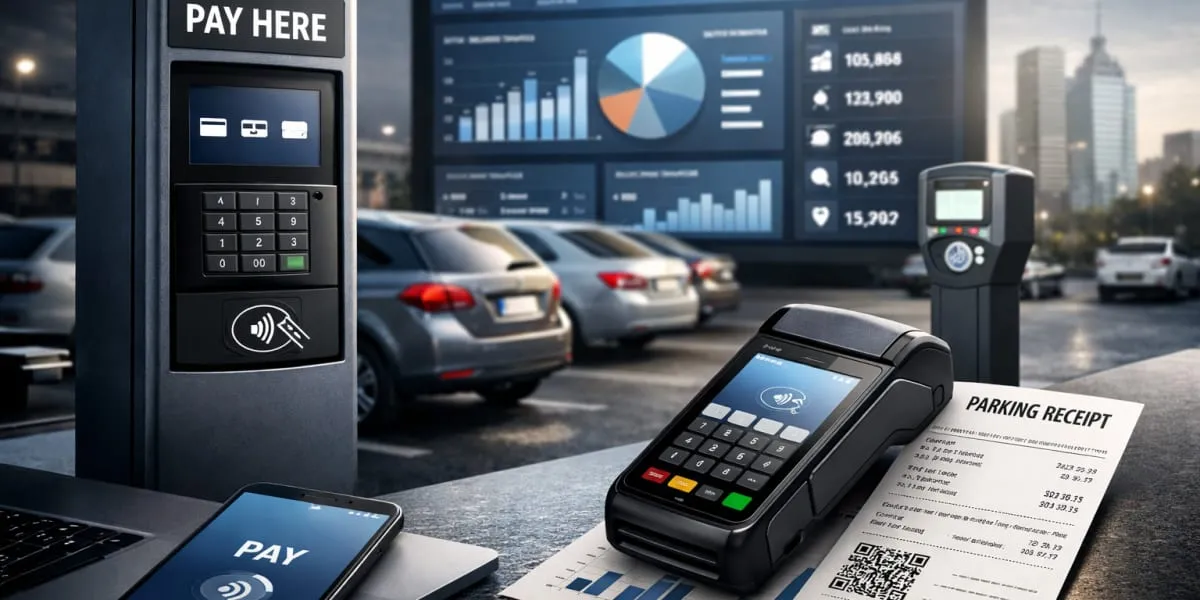
The Municipal Corporation of Delhi (MCD) has decided to centralise parking payments across the city to curb revenue loss. The move will bring collections under a single digital platform managed by the civic body rather than by disparate local contractors. Officials described the initiative as an effort to standardise fee structures, tighten audit trails and reduce leakages in daily takings.

The centralised system is planned to integrate online payment channels, smart metres and handheld devices used by enforcement staff, creating a unified database of transactions. Revenue flows from surface parking, multi-storey facilities and municipal lots will be reconciled through the platform to ensure timely remittance to the municipal treasury. The civic administration intends to use the consolidated information for better forecasting and budgetary allocations.

Authorities expect that consistent billing, electronic receipts and real time reconciliation will improve transparency and deter malpractices that have contributed to shortfalls. The programme is also meant to simplify citizen experience by offering multiple digital payment options and a single interface for locating and paying for parking. Municipal officials believe that a clearer audit trail will facilitate recovery of outstanding dues and strengthen enforcement of parking rules.

Implementation will proceed in phases beginning with a pilot in selected wards before wider roll out across the city to allow technical adjustments and staff training. The civic body will retain oversight of enforcement and revenue accounting while engaging vendors for technology and operations under defined service level agreements. Officials said that success will be measured by the improvement in collections and a reduction in disputes over payments. The administration will publish periodic performance reports and use key performance indicators to assess uptime of the payment platform, reconciliation accuracy and improvement in revenue realisation, and will adjust procedures based on audit findings and stakeholder feedback.

The Municipal Corporation of Delhi (MCD) has decided to centralise parking payments across the city to curb revenue loss. The move will bring collections under a single digital platform managed by the civic body rather than by disparate local contractors. Officials described the initiative as an effort to standardise fee structures, tighten audit trails and reduce leakages in daily takings. The centralised system is planned to integrate online payment channels, smart metres and handheld devices used by enforcement staff, creating a unified database of transactions. Revenue flows from surface parking, multi-storey facilities and municipal lots will be reconciled through the platform to ensure timely remittance to the municipal treasury. The civic administration intends to use the consolidated information for better forecasting and budgetary allocations. Authorities expect that consistent billing, electronic receipts and real time reconciliation will improve transparency and deter malpractices that have contributed to shortfalls. The programme is also meant to simplify citizen experience by offering multiple digital payment options and a single interface for locating and paying for parking. Municipal officials believe that a clearer audit trail will facilitate recovery of outstanding dues and strengthen enforcement of parking rules. Implementation will proceed in phases beginning with a pilot in selected wards before wider roll out across the city to allow technical adjustments and staff training. The civic body will retain oversight of enforcement and revenue accounting while engaging vendors for technology and operations under defined service level agreements. Officials said that success will be measured by the improvement in collections and a reduction in disputes over payments. The administration will publish periodic performance reports and use key performance indicators to assess uptime of the payment platform, reconciliation accuracy and improvement in revenue realisation, and will adjust procedures based on audit findings and stakeholder feedback.

Next Story
Infrastructure Transport

Surya Roshni delivers customised lighting for NCRTC RRTS stations

Surya Roshni has supplied customised indoor lighting solutions for 18 elevated stations on the National Capital Region Transport Corporation's (NCRTC) Rapid Rail Transit System (RRTS), strengthening its presence in India's infrastructure lighting segment.The project involved the design and deployment of lighting systems for platforms, concourses, foot overbridges (FOBs) and back-of-house (BOH) areas. According to the company, the luminaires were developed specifically to meet NCRTC's design, operational and performance requirements rather than using standard products.Surya introduced two custo..

Next Story
Real Estate

Hilton debuts Tapestry Collection brand in Vietnam

Hilton has opened NHAAN Resort & Spa Hoi An, Tapestry Collection by Hilton, marking the debut of the Tapestry Collection brand in Vietnam and expanding its lifestyle hospitality portfolio in Southeast Asia.Located along the Co Co River in Cam Thanh village, the 174-key resort provides access to Hoi An Ancient Town, Cua Dai Beach and the Cam Thanh Nipa Forest. The property has been designed by Vietnamese architect Vo Trong Nghia, incorporating biophilic architecture, locally sourced materials and riverfront landscapes.The resort offers a mix of guest rooms and suites, including family-frien..

Next Story
Building Material

Electrent expands lithium energy storage system portfolio

Electrent Energy has expanded its lithium-based energy storage portfolio with the launch of the ESS 850 and ESS 1050, targeting compact and maintenance-free power backup solutions for Indian homes.The new systems integrate a Home UPS and a LiFePO4 lithium battery into a single unit, extending the company's product range following the launch of its ESS 1350 and ESS 2500 models.Designed for apartments and smaller homes, the ESS 850 provides up to 1 hour 15 minutes of backup, while the ESS 1050 offers up to 1 hour 45 minutes on a typical 400 W household load. The systems can power essential appli..

Advertisement

Subscribe to Our Newsletter

Get daily newsletters around different themes from Construction world.

STAY CONNECTED

Advertisement

Advertisement

Advertisement