+
MEMU Service Between Yelahanka And Arsikere From July 14
ECONOMY & POLICY

MEMU Service Between Yelahanka And Arsikere From July 14

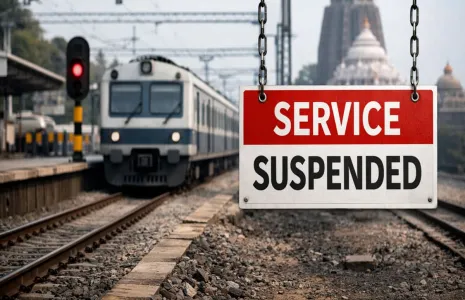
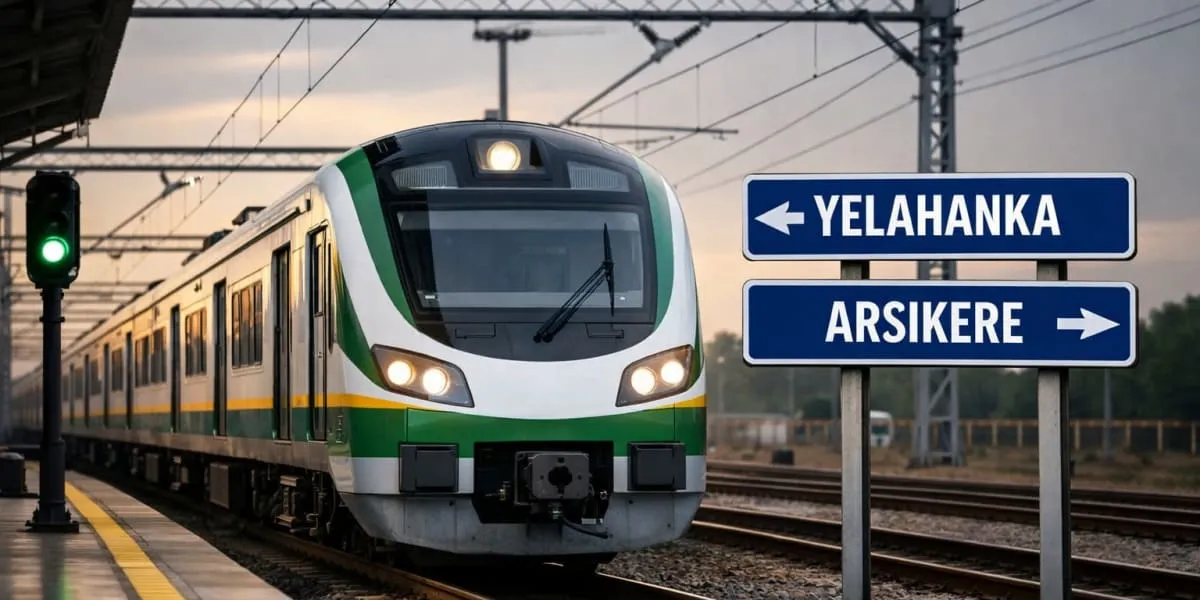
The Railway Board has approved a Mainline Electric Multiple Unit (MEMU) train service between Yelahanka and Arsikere, to take effect from July 14. The service was authorised to improve regional connectivity and provide additional commuting options for passengers travelling between Bengaluru suburb Yelahanka and the intervening towns en route to Arsikere. The new train is part of efforts to augment local rail services in the region. MEMU trains are electric multiple units suited to suburban and short distance services and allow faster turnaround at stations.

Train number 66505 Yelahanka–Arsikere MEMU will depart Yelahanka at 6.45 am and reach Arsikere at 11 am, serving key intermediate stations along the route. The corresponding return service, train number 66506 Arsikere–Yelahanka MEMU, will depart Arsikere at 2.10 pm and arrive at Yelahanka at 7.15 pm. The timings are intended to cater to both morning outbound and afternoon return travel patterns. The service will also serve suburban localities along the corridor, enabling easier transfers to other local modes.

The service will operate with eight MEMU coaches and is scheduled to run six days a week, with no service on Sunday. Coaches designed for suburban and short distance travel are expected to offer frequent boarding and alighting points for commuters. The composition and frequency are aimed at easing congestion on parallel road corridors and offering a reliable alternative for daily travellers.

Rail authorities indicated that the introduction of the service follows operational assessments and ridership considerations, and that crew and rolling stock allocations have been finalised for the launch. Local commuters and traders are likely to benefit from improved timings and additional seating options for intermediate journeys. The MEMU service will commence from July 14 and will be monitored for performance and potential further enhancements. Performance metrics such as punctuality and ridership will inform any future adjustments to frequency or stopping patterns.

The Railway Board has approved a Mainline Electric Multiple Unit (MEMU) train service between Yelahanka and Arsikere, to take effect from July 14. The service was authorised to improve regional connectivity and provide additional commuting options for passengers travelling between Bengaluru suburb Yelahanka and the intervening towns en route to Arsikere. The new train is part of efforts to augment local rail services in the region. MEMU trains are electric multiple units suited to suburban and short distance services and allow faster turnaround at stations. Train number 66505 Yelahanka–Arsikere MEMU will depart Yelahanka at 6.45 am and reach Arsikere at 11 am, serving key intermediate stations along the route. The corresponding return service, train number 66506 Arsikere–Yelahanka MEMU, will depart Arsikere at 2.10 pm and arrive at Yelahanka at 7.15 pm. The timings are intended to cater to both morning outbound and afternoon return travel patterns. The service will also serve suburban localities along the corridor, enabling easier transfers to other local modes. The service will operate with eight MEMU coaches and is scheduled to run six days a week, with no service on Sunday. Coaches designed for suburban and short distance travel are expected to offer frequent boarding and alighting points for commuters. The composition and frequency are aimed at easing congestion on parallel road corridors and offering a reliable alternative for daily travellers. Rail authorities indicated that the introduction of the service follows operational assessments and ridership considerations, and that crew and rolling stock allocations have been finalised for the launch. Local commuters and traders are likely to benefit from improved timings and additional seating options for intermediate journeys. The MEMU service will commence from July 14 and will be monitored for performance and potential further enhancements. Performance metrics such as punctuality and ridership will inform any future adjustments to frequency or stopping patterns.

Related Stories

Gold Stories

Next Story
Infrastructure Transport

MMRDA Targets Completion of Projects by December 2028

The Mumbai Metropolitan Region Development Authority (MMRDA) is targeting the completion of all its ongoing infrastructure projects by December 2028, a year ahead of its December 2029 deadline, Metropolitan Commissioner Dr Sanjay Mukherjee has said.Speaking at the sixth edition of the Real Estate & Infrastructure Investors' Summit (REIIS) 2026 in Mumbai, Mukherjee said the authority was developing an integrated network of roads, tunnels, sea links and Metro corridors under its broader vision of “Mumbai in 59 Minutes”.The objective is to improve east-west and north-south connectivity an..

Next Story
Building Material

High-Performance Façades Gain Ground in Indian Buildings

High-performance façades are gaining greater importance in Indian architecture as developers and architects increasingly focus on energy efficiency, thermal comfort and building performance, according to Shankar Fenestrations & Glasses.The company said modern façade systems are increasingly being considered as part of a building's overall performance strategy rather than being used primarily as aesthetic elements.High-performance glass, curtain wall systems and structural glazing can contribute to thermal regulation, solar control, daylight management and indoor comfort. Their growing ad..

Next Story
Technology

SPML Infra's 104.4 kWh BESS Battery Pack Clears Global Tests

SPML Infra has announced that its proprietary 104.4 kWh Battery Energy Storage System (BESS) battery pack has completed key international safety, performance and transportation testing and certification requirements, marking a step towards its commercial deployment.Developed under the company's own intellectual property, the battery pack has completed requirements under UL9540A, IEC 62619, IEC 63056, IEC 60730, IEC 61000-6-2, IEC 61000-6-4 and UN38.3 standards.The testing covers areas including thermal runaway safety, battery performance, system functional safety, electromagnetic compatibility..

Advertisement

Subscribe to Our Newsletter

Get daily newsletters around different themes from Construction world.

STAY CONNECTED

Advertisement

SPECIAL OFFER
QR Code