MMRDA Unveils Rs 480,724 mn Budget, First Surplus in Eight Years
ECONOMY & POLICY

MMRDA Unveils Rs 480,724 mn Budget, First Surplus in Eight Years

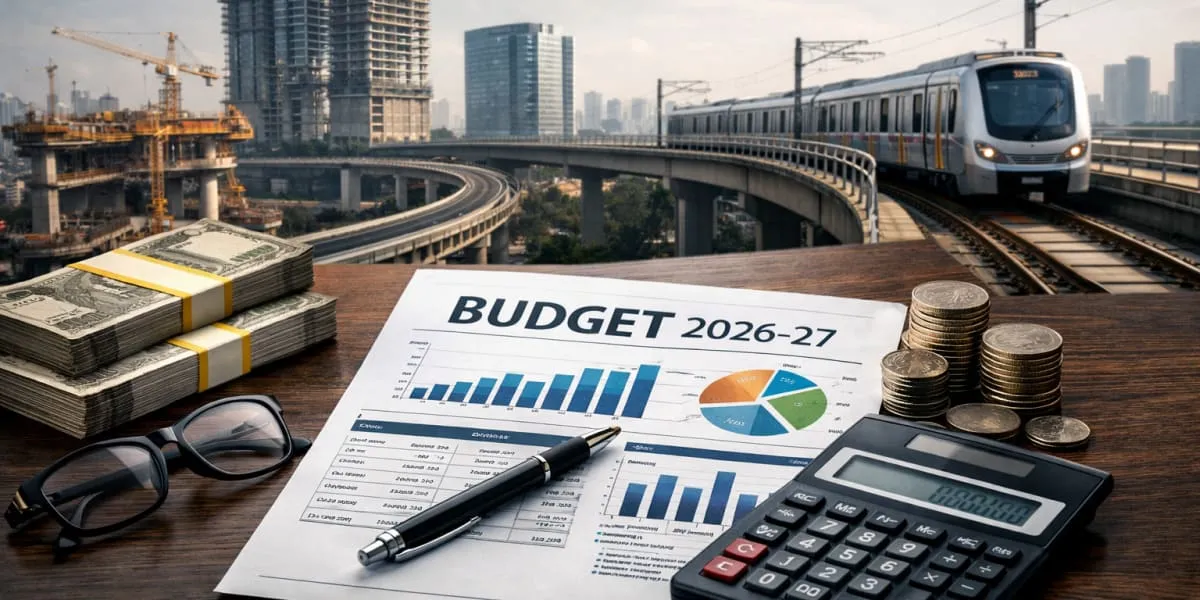
The Mumbai Metropolitan Region Development Authority presented a Rs 480,724 million (mn) budget for 2026–27 and projected a marginal surplus of one point seven million (mn), its first since 2017–18. Revenue was pegged at Rs 480,725.7 mn, narrowly exceeding expenditure and reversing downgrades seen in the prior year. The budget was framed amid record infrastructure allocations and higher borrowing.

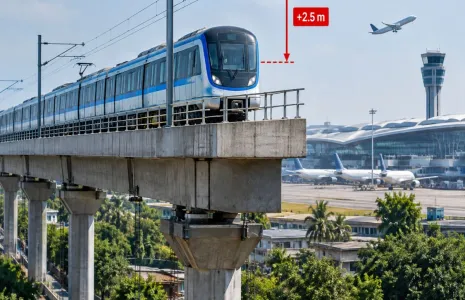
Infrastructure accounts for 87 per cent of expenditure, amounting to over Rs 420,000 mn allocated to projects. Rs 40,000 mn has been earmarked for the Third Mumbai project covering 124 villages in the influence zone of the Atal Setu and the Navi Mumbai airport, with Rs 20,000 mn spent in 2025–26. A provision of Rs 11,890 mn was made for a 70 km integrated tunnel corridor whose total cost is estimated at Rs 240,000 mn.

The budget relies on borrowings of Rs 237,111.6 mn, the highest in five years, while borrowing estimates for 2025–26 were Rs 223,273.5 mn against actual proceeds of Rs 155,481.7 mn. Interest outgo has risen from Rs 660 mn in 2022–23 to Rs 32,470 mn in 2026–27, roughly a 50 fold increase over five years. Land sales are expected to bring Rs 111,770 mn versus Rs 45,820 mn last year.

Income from operational assets such as tolls, metro lines and the regional water supply project underperformed and is projected at Rs 4,410 mn for 2026–27 after downward revisions. Officials said the surplus reflected fiscal discipline and calibrated capital mobilisation, and described the outcome as evidence of investor confidence and focused governance. Analysts cautioned that past trends show infrastructure spending has often lagged targets, noting a spend of just over Rs 260,000 mn against an intended Rs 350,000 mn in 2025–26 and delays on several metro and road projects.

The Mumbai Metropolitan Region Development Authority presented a Rs 480,724 million (mn) budget for 2026–27 and projected a marginal surplus of one point seven million (mn), its first since 2017–18. Revenue was pegged at Rs 480,725.7 mn, narrowly exceeding expenditure and reversing downgrades seen in the prior year. The budget was framed amid record infrastructure allocations and higher borrowing. Infrastructure accounts for 87 per cent of expenditure, amounting to over Rs 420,000 mn allocated to projects. Rs 40,000 mn has been earmarked for the Third Mumbai project covering 124 villages in the influence zone of the Atal Setu and the Navi Mumbai airport, with Rs 20,000 mn spent in 2025–26. A provision of Rs 11,890 mn was made for a 70 km integrated tunnel corridor whose total cost is estimated at Rs 240,000 mn. The budget relies on borrowings of Rs 237,111.6 mn, the highest in five years, while borrowing estimates for 2025–26 were Rs 223,273.5 mn against actual proceeds of Rs 155,481.7 mn. Interest outgo has risen from Rs 660 mn in 2022–23 to Rs 32,470 mn in 2026–27, roughly a 50 fold increase over five years. Land sales are expected to bring Rs 111,770 mn versus Rs 45,820 mn last year. Income from operational assets such as tolls, metro lines and the regional water supply project underperformed and is projected at Rs 4,410 mn for 2026–27 after downward revisions. Officials said the surplus reflected fiscal discipline and calibrated capital mobilisation, and described the outcome as evidence of investor confidence and focused governance. Analysts cautioned that past trends show infrastructure spending has often lagged targets, noting a spend of just over Rs 260,000 mn against an intended Rs 350,000 mn in 2025–26 and delays on several metro and road projects.

Next Story
Infrastructure Urban

Güntner Showcases Cooling Tech at China Expo

Güntner showcased its latest refrigeration and air conditioning innovations at China Refrigeration 2026, highlighting digital intelligence and carbon-neutral solutions.The company presented its aicore™ Controls and IoT platform, designed to optimise energy consumption, enable remote monitoring and enhance lifecycle management of cooling systems. The solution integrates advanced controllers and cloud-based capabilities to improve operational efficiency and reduce energy use.Güntner also demonstrated advancements in heat pump technologies, including its role in projects such as the Ordos Zer..

Next Story
Real Estate

Superb Realty Ties Up with Praan for AI Air Tech

Superb Realty has partnered with Praan to deploy AI-powered autonomous air infrastructure across over one million sq ft of real estate in Mumbai, marking a significant move towards intelligent indoor environments.The rollout will begin at Superb Altura and expand across upcoming residential and mixed-use developments. The initiative aims to integrate real-time sensing, adaptive purification and AI-led optimisation to improve indoor air quality and occupant experience.Praan’s technology is designed to remove ultrafine particles significantly smaller than conventional systems and eliminate har..

Next Story
Technology

DAAKit Raises $138,000 in Pre-Seed Round

DAAKit has raised $138,000 in a pre-seed funding round led by Inflection Point Ventures to expand its hyperlocal fulfilment network and strengthen technology capabilities.The company plans to use the funds to launch 25 new dark stores across Tier I and Tier II cities, enhance its technology infrastructure, and expand its leadership and operations teams. Currently operational in Delhi, Gurugram, Mumbai, Bengaluru and Kolkata, DAAKit is also piloting expansion into Tier II markets through Lucknow.Built on an asset-light, technology-driven model, the platform enables brands to position inventory ..

Advertisement

Subscribe to Our Newsletter

Get daily newsletters around different themes from Construction world.

STAY CONNECTED

Advertisement

Advertisement

Advertisement