



Modi Inaugurates India AI Impact Summit 2026
ECONOMY & POLICY

Modi Inaugurates India AI Impact Summit 2026

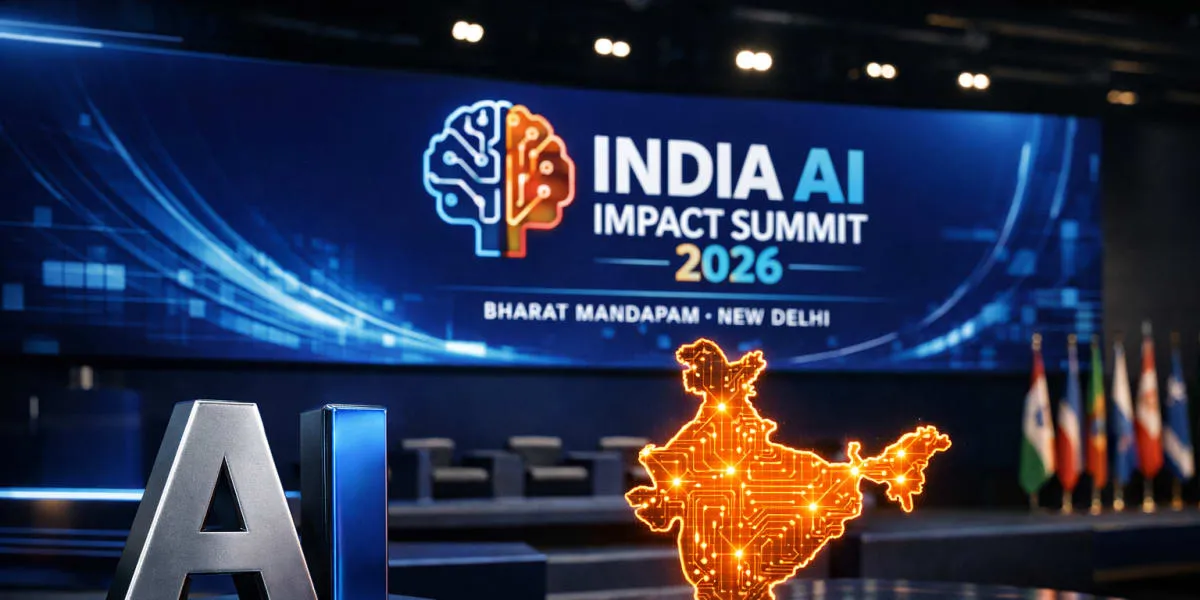
Prime Minister Narendra Modi inaugurated the India AI Impact Summit 2026 at Bharat Mandapam in New Delhi and set out India’s vision for the technology. He noted that India represents one sixth of humanity and is home to the world’s largest youth population and the biggest technology talent pool. He said 1.4 billion (bn) Indians are eager to embrace new technologies and he welcomed global leaders and innovators to the summit.

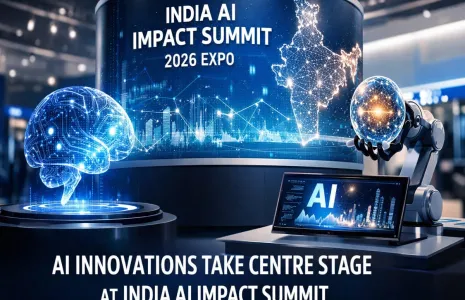
The summit drew participation from over 100 countries and featured a strong presence of young talent, which organisers said energised the event. The exhibition displayed practical AI applications in agriculture, security, assistance for divyangjan and solutions for multilingual populations. Organisers said these demonstrations underscored the strength of Made in India innovation.

The Prime Minister described artificial intelligence as a historic turning point capable of multiplying human capability while altering the pace and paradigms of development. He argued that the unprecedented speed and scale of AI require a larger vision and greater responsibility, stressing concern for the form of AI bequeathed to future generations. He said the summit aims to ensure AI development remains human centric and sensitive to societal needs.

He presented India’s M.A.N.A.V. Vision for AI as Moral and Ethical Systems, Accountable Governance, National Sovereignty, Accessible and Inclusive approaches, and Valid and Legitimate systems, and stated that this framework should connect AI to human welfare. He positioned the summit theme, Sarvajan Hitaya, Sarvajan Sukhaya, as a benchmark for welfare and happiness for all. He emphasised that AI must be democratised to prevent humans being treated as mere data points.

The Prime Minister urged open code and shared development, called for authenticity labels and watermarking to counter deepfakes, and highlighted child safety and mass skilling and reskilling. He noted that three Indian companies launched AI models at the summit and pointed to India’s work from semiconductors to quantum computing and secure data centres. The summit will host more than 500 AI leaders and over 100 government representatives, including more than 20 heads of state; he invited partners to design and develop in India.

Prime Minister Narendra Modi inaugurated the India AI Impact Summit 2026 at Bharat Mandapam in New Delhi and set out India’s vision for the technology. He noted that India represents one sixth of humanity and is home to the world’s largest youth population and the biggest technology talent pool. He said 1.4 billion (bn) Indians are eager to embrace new technologies and he welcomed global leaders and innovators to the summit. The summit drew participation from over 100 countries and featured a strong presence of young talent, which organisers said energised the event. The exhibition displayed practical AI applications in agriculture, security, assistance for divyangjan and solutions for multilingual populations. Organisers said these demonstrations underscored the strength of Made in India innovation. The Prime Minister described artificial intelligence as a historic turning point capable of multiplying human capability while altering the pace and paradigms of development. He argued that the unprecedented speed and scale of AI require a larger vision and greater responsibility, stressing concern for the form of AI bequeathed to future generations. He said the summit aims to ensure AI development remains human centric and sensitive to societal needs. He presented India’s M.A.N.A.V. Vision for AI as Moral and Ethical Systems, Accountable Governance, National Sovereignty, Accessible and Inclusive approaches, and Valid and Legitimate systems, and stated that this framework should connect AI to human welfare. He positioned the summit theme, Sarvajan Hitaya, Sarvajan Sukhaya, as a benchmark for welfare and happiness for all. He emphasised that AI must be democratised to prevent humans being treated as mere data points. The Prime Minister urged open code and shared development, called for authenticity labels and watermarking to counter deepfakes, and highlighted child safety and mass skilling and reskilling. He noted that three Indian companies launched AI models at the summit and pointed to India’s work from semiconductors to quantum computing and secure data centres. The summit will host more than 500 AI leaders and over 100 government representatives, including more than 20 heads of state; he invited partners to design and develop in India.

Next Story
Infrastructure Urban

Centre Examines Duty Relief Under MOOWR For Battery Storage Imports

The finance ministry is examining whether to continue customs warehousing benefits under the Manufacture and Other Operations in Warehouse Regulations, 2019 framework for imported battery energy storage systems. It plans consultations with the ministries of power and new and renewable energy to decide on the future scope of duty and GST deferment for such imports. The review follows concerns from the renewable energy sector that the current approach is creating an uneven playing field. Under the regulations, companies may import goods without paying customs duty or goods and services tax upfro..

Next Story
Infrastructure Urban

Jamshedpur MP Seeks Rs 4,820 Million Plan For Tatanagar Platforms

Member of Parliament Bidyut Baran Mahato held a meeting with Vikas Jain, Executive Director (Public Grievances) of the Railway Board, following a special session of Parliament to press for accelerated rail infrastructure work around Jamshedpur and Tatanagar. The discussions addressed a range of projects that the ministry is prioritising for the area. Final Location Surveys for the construction of the fourth and fifth railway lines between Pandrasali and Kandra and for the development of a satellite station near Tatanagar have already been approved, clearing the way for detailed planning. Mahat..

Next Story
Infrastructure Energy

Final Batch Of Two 3,300 HP Locomotives Reach Mozambique

The final batch of two 3,300 horsepower (hp) locomotives manufactured by Banaras Locomotive Works (BLW) has reached Mozambique, marking completion of an export consignment. The locomotives arrived at Maputo harbour and were cleared for onward movement to the national rail operator. The shipment closes a programme that began with earlier consignments delivered over the past months. Banaras Locomotive Works, a production unit of Indian Railways, built the locomotives under a contract with the Mozambican rail authority and managed the final inspections and commissioning preparations prior to disp..

Advertisement

Subscribe to Our Newsletter

Get daily newsletters around different themes from Construction world.

STAY CONNECTED

Advertisement

Advertisement

Advertisement














