MoHUA, IIT Kanpur Launch Second Cohort of Clean-Tech Startups
ECONOMY & POLICY

MoHUA, IIT Kanpur Launch Second Cohort of Clean-Tech Startups

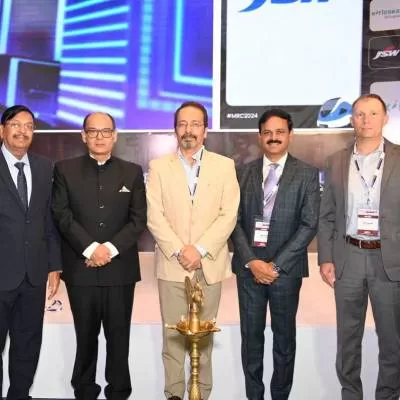
The Ministry of Housing and Urban Affairs (MoHUA), in partnership with the Startup Incubation and Innovation Centre (SIIC) at IIT Kanpur, recently launched the second cohort of 32 clean-tech startups under the Swachh Bharat Mission–Urban. Announced at the Swachhata Startup Conclave in New Delhi, the initiative builds on the success of the first cohort, which saw 20 startups scale to a combined valuation of Rs 5 billion while creating over 2,000 jobs.

MoS MoHUA Shri Tokhan Sahu highlighted the Mission’s decade-long shift from conventional waste management to technology-led solutions and emphasised the role of startups in accelerating a cleaner and more self-reliant urban ecosystem. He also outlined plans for a national platform to link innovators, urban local bodies, investors and stakeholders, enabling faster deployment of homegrown solutions.

India’s growing startup ecosystem, including over 5,000 waste-management ventures registered with DPIIT, is transforming urban service delivery. Under SBM-U 2.0, startups are contributing innovations across the waste value chain, from mechanised manhole cleaning to circular-economy enterprises and advanced tracking systems.

Cohort 2 startups will receive access to incubation, mentorship, R&D facilities and market linkages through IIT Kanpur. Together with urban local body partnerships, the programme aims to scale effective sanitation and waste-management solutions across the country, reinforcing the Mission’s vision of cleaner, greener cities.

The Ministry of Housing and Urban Affairs (MoHUA), in partnership with the Startup Incubation and Innovation Centre (SIIC) at IIT Kanpur, recently launched the second cohort of 32 clean-tech startups under the Swachh Bharat Mission–Urban. Announced at the Swachhata Startup Conclave in New Delhi, the initiative builds on the success of the first cohort, which saw 20 startups scale to a combined valuation of Rs 5 billion while creating over 2,000 jobs. MoS MoHUA Shri Tokhan Sahu highlighted the Mission’s decade-long shift from conventional waste management to technology-led solutions and emphasised the role of startups in accelerating a cleaner and more self-reliant urban ecosystem. He also outlined plans for a national platform to link innovators, urban local bodies, investors and stakeholders, enabling faster deployment of homegrown solutions. India’s growing startup ecosystem, including over 5,000 waste-management ventures registered with DPIIT, is transforming urban service delivery. Under SBM-U 2.0, startups are contributing innovations across the waste value chain, from mechanised manhole cleaning to circular-economy enterprises and advanced tracking systems. Cohort 2 startups will receive access to incubation, mentorship, R&D facilities and market linkages through IIT Kanpur. Together with urban local body partnerships, the programme aims to scale effective sanitation and waste-management solutions across the country, reinforcing the Mission’s vision of cleaner, greener cities.

Next Story
Infrastructure Urban

India Expands Semiconductor Training To 500 Institutions

Under the Chips to Startups programme of the India Semiconductor Mission, the Union minister responsible for Railways, Information and Broadcasting, and Electronics and IT reported notable progress in talent development. He indicated that over the past four years substantial steps have been taken towards a 10-year target of training 85,000 engineers in semiconductor design. World-class EDA tools have been deployed in 315 academic institutions across the country to provide students with practical exposure to chip design. These EDA tools are supported by leading global firms and are accessible t..

Next Story
Infrastructure Urban

Delhi Institutions Support India Semiconductor Mission

The Government of India has prioritised talent development through training, upskilling and workforce development under the Chips to Startups initiative of the India Semiconductor Mission, with officials noting progress in four years towards a 10-year target of training 85,000 engineers in semiconductor design. Electronic design automation tools provided by Synopsys, Cadence, Siemens, Renesas, Ansys and AMD have been deployed in 315 academic institutions, enabling students to gain practical chip design experience. Chips have been fabricated and tested at the Semiconductor Laboratory, Mohali, a..

Next Story
Infrastructure Urban

NHA Announces Winners Of NHCX Hackathon At IIT Hyderabad

The National Health Authority (NHA) has concluded the NHCX Hackathon under the Ayushman Bharat Digital Mission (ABDM) to stimulate innovation around the National Health Claims Exchange (NHCX). The winning teams presented their solutions at the NHCX Innovation Meet held at IIT Hyderabad during a two-day event in March 2026 that also served as the hackathon grand finale. The hackathon itself ran from 22 to 28 February 2026 and aimed to accelerate paperless, transparent claims processing across India. The event was organised with a range of ecosystem partners, including the Insurance Regulatory a..

Advertisement

Subscribe to Our Newsletter

Get daily newsletters around different themes from Construction world.

STAY CONNECTED

Advertisement

Advertisement

Advertisement