IMD Expands Radar Network with New Systems in Raipur and Mangaluru
ECONOMY & POLICY

IMD Expands Radar Network with New Systems in Raipur and Mangaluru

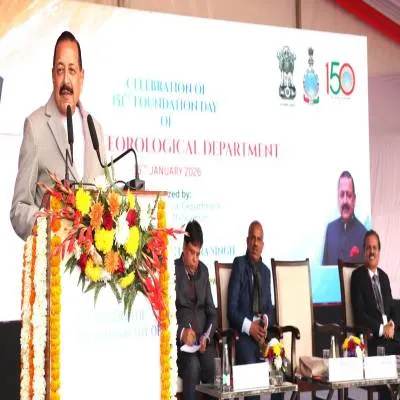
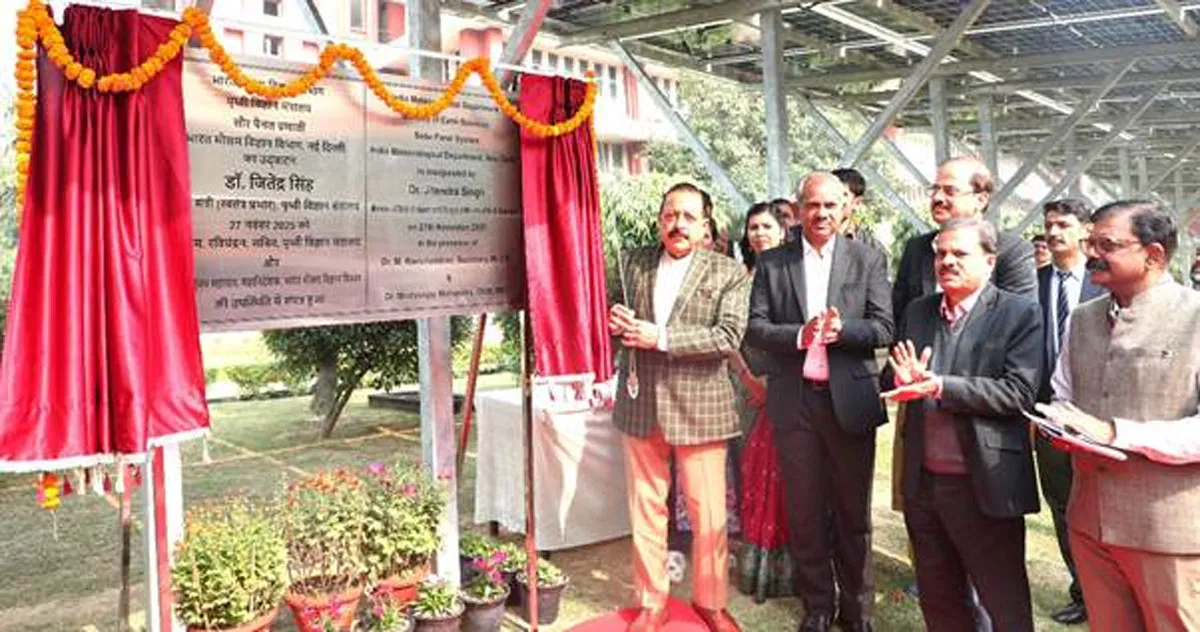
Dr Jitendra Singh recently inaugurated three major initiatives of the India Meteorological Department (IMD), including new Doppler Weather Radars in Raipur and Mangaluru, a 771 kWp solar power system at Mausam Bhawan, and a meteorological museum for students and researchers. He stated that IMD is rapidly advancing ‘Mission Mausam’, noting that India’s radar network has risen from 47 to 126 systems and is on track to triple by 2027. The new C-Band radars, developed indigenously, are designed to enhance severe weather detection across central India, the west coast and the Arabian Sea. The Raipur radar provides 250 km coverage, improving observations across Chhattisgarh, interior Odisha and adjoining regions, while the Mangaluru system supports cyclone and coastal weather monitoring for Karnataka, Goa and South Konkan.

The Minister also inaugurated a dedicated meteorological museum that showcases IMD’s 150-year legacy through historic instruments, radar components and interactive learning tools. He encouraged structured educational tours to promote scientific awareness among students. The solar installation at Mausam Bhawan supports national clean energy goals and is expected to generate surplus power for the grid. Senior officials highlighted plans for additional radars, including urban and phased-array systems, to strengthen forecasting and disaster preparedness.

Dr Jitendra Singh recently inaugurated three major initiatives of the India Meteorological Department (IMD), including new Doppler Weather Radars in Raipur and Mangaluru, a 771 kWp solar power system at Mausam Bhawan, and a meteorological museum for students and researchers. He stated that IMD is rapidly advancing ‘Mission Mausam’, noting that India’s radar network has risen from 47 to 126 systems and is on track to triple by 2027. The new C-Band radars, developed indigenously, are designed to enhance severe weather detection across central India, the west coast and the Arabian Sea. The Raipur radar provides 250 km coverage, improving observations across Chhattisgarh, interior Odisha and adjoining regions, while the Mangaluru system supports cyclone and coastal weather monitoring for Karnataka, Goa and South Konkan. The Minister also inaugurated a dedicated meteorological museum that showcases IMD’s 150-year legacy through historic instruments, radar components and interactive learning tools. He encouraged structured educational tours to promote scientific awareness among students. The solar installation at Mausam Bhawan supports national clean energy goals and is expected to generate surplus power for the grid. Senior officials highlighted plans for additional radars, including urban and phased-array systems, to strengthen forecasting and disaster preparedness.

Related Stories

Gold Stories

Next Story
Infrastructure Urban

KONE Opens India's First Digital Experience Centre in Pune

KONE, a global elevator and escalator manufacturer, has inaugurated its first Digital Experience Centre (DEC) in India, located in Pune. The facility aims to showcase how artificial intelligence (AI), connectivity and data-driven technologies can enhance customer experiences and improve building operations.The centre was inaugurated by Jussi Herlin, Executive Vice Chair, KONE Corporation; Philippe Delorme, President and CEO, KONE; and Nandan Nilekani, Co-founder and Chairman of the Board, Infosys.Designed as an interactive customer environment, the facility demonstrates digital solutions cover..

Next Story
Infrastructure Urban

CII GreenCo Launches Circularity Guidelines for Indian Industry

The Confederation of Indian Industry (CII) GreenCo Council has launched the CII GreenCo Circularity Guidelines – Pilot Version at the 17th CII GreenCo Waste & Resource Management Summit 2026 in Chennai. The initiative aims to strengthen resource efficiency, waste reduction and circular economy practices across Indian manufacturing and process industries.The guidelines introduce a structured framework with circularity indices covering raw materials, consumables, packaging and other resource inputs. These indicators will help industries assess existing practices, identify opportunities to ..

Next Story
Infrastructure Energy

Global Electronics Association Launches IPC-1783-CO2E Standard

The Global Electronics Association has introduced IPC-1783-CO2E, a new international standard aimed at improving consistency, transparency and comparability in product carbon footprint reporting across the electronics manufacturing industry.The standard, titled International Standard for Data Collection and Reporting of CO2 Equivalent (CO2e) Emissions for the Electronics Manufacturing Supply Chain, provides industry-specific guidance for collecting, estimating and reporting carbon emissions data.With increasing regulatory requirements and customer expectations, electronics manufacturers face c..

Advertisement

Subscribe to Our Newsletter

Get daily newsletters around different themes from Construction world.

STAY CONNECTED

Advertisement

SPECIAL OFFER
QR Code