MoRTH Strengthens Landslide Mitigation for Hill Highways
ECONOMY & POLICY

MoRTH Strengthens Landslide Mitigation for Hill Highways

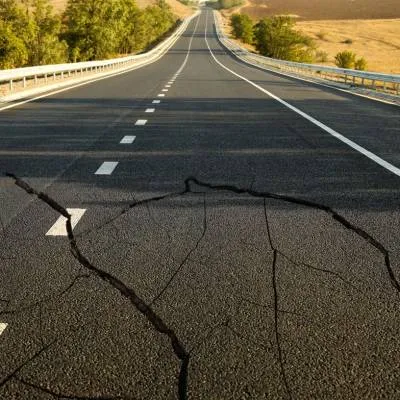
The Ministry of Road Transport and Highways has deployed Interferometric Synthetic Aperture Radar (InSAR) based landslide monitoring and early warning systems along a 100 kilometre (km) stretch of the Char Dham route in Uttarakhand. It has planned an advanced alert system on the Parwanoo-Solan section of National Highway five to monitor landslides, land sinking, groundwater movement and rockfall-prone zones in real time. The initiatives aim to detect subtle ground movements and identify vulnerable slopes before disasters occur.

The Ministry has strengthened collaboration with scientific agencies and signed a memorandum of understanding with the Geological Survey of India for geological investigations, data sharing and integration of National Landslide Susceptibility Mapping into planning and alignment surveys. With nearly 16,788 km of national highways in hill states out of a total network exceeding 146,570 km, resilient design reflects the Himalayan region's particular vulnerability to landslides, rockfalls, flash floods and cloudbursts.

Policy reforms include a phased construction approach in which an initial period of about one year is devoted to cutting hill slopes and completing protection works, with road construction starting only after slopes show stability through at least one monsoon season. The Ministry is piloting satellite based monitoring and has signed agreements with firms using InSAR and other geospatial intelligence to provide early warning indicators, support targeted mitigation and improve maintenance planning. Mountain highways typically cost between Rs150 million (mn) and Rs300 mn per km to construct; a single moderate landslide can incur repair costs of Rs100 mn to Rs250 mn and disrupt traffic for two to five days.

A site specific scientific approach guides selection of mitigation measures, with engineers assessing rainfall, groundwater and geological characteristics before choosing techniques such as soil nailing, high tensile wire mesh and prestressed cable anchors. Nature based solutions including bamboo benching and vetiver plantations are being trialled alongside engineering works, while capacity building and safety audits with partners aim to embed global best practices and protect vital lifelines for hill communities.

"Join industry leaders at RAHSTA Expo, India's premier platform for roads, highways and traffic infrastructure. Register now to explore innovations, network with experts and shape the future of mobility."

The Ministry of Road Transport and Highways has deployed Interferometric Synthetic Aperture Radar (InSAR) based landslide monitoring and early warning systems along a 100 kilometre (km) stretch of the Char Dham route in Uttarakhand. It has planned an advanced alert system on the Parwanoo-Solan section of National Highway five to monitor landslides, land sinking, groundwater movement and rockfall-prone zones in real time. The initiatives aim to detect subtle ground movements and identify vulnerable slopes before disasters occur. The Ministry has strengthened collaboration with scientific agencies and signed a memorandum of understanding with the Geological Survey of India for geological investigations, data sharing and integration of National Landslide Susceptibility Mapping into planning and alignment surveys. With nearly 16,788 km of national highways in hill states out of a total network exceeding 146,570 km, resilient design reflects the Himalayan region's particular vulnerability to landslides, rockfalls, flash floods and cloudbursts. Policy reforms include a phased construction approach in which an initial period of about one year is devoted to cutting hill slopes and completing protection works, with road construction starting only after slopes show stability through at least one monsoon season. The Ministry is piloting satellite based monitoring and has signed agreements with firms using InSAR and other geospatial intelligence to provide early warning indicators, support targeted mitigation and improve maintenance planning. Mountain highways typically cost between Rs150 million (mn) and Rs300 mn per km to construct; a single moderate landslide can incur repair costs of Rs100 mn to Rs250 mn and disrupt traffic for two to five days. A site specific scientific approach guides selection of mitigation measures, with engineers assessing rainfall, groundwater and geological characteristics before choosing techniques such as soil nailing, high tensile wire mesh and prestressed cable anchors. Nature based solutions including bamboo benching and vetiver plantations are being trialled alongside engineering works, while capacity building and safety audits with partners aim to embed global best practices and protect vital lifelines for hill communities.

Next Story
Infrastructure Energy

Repos Energy Showcases Autonomous Fuelling Solution at VivaTech

Repos Energy showcased its Autonomous Fuelling Solution at VivaTech Paris 2026, demonstrating an AI- and robotics-driven model for future fuel stations at the India Pavilion during Europe's largest technology and innovation summit.The Pune-based energy-tech company was among 25 Indian startups selected by the Department for Promotion of Industry and Internal Trade (DPIIT) under the 'Bharat Innovates' theme to represent the country at the event. This year's edition of VivaTech marked India's debut as the AI Country Partner, with the country hosting its largest-ever national pavilion at the summ..

Next Story
Infrastructure Urban

Axis Solutions Unveils Engineered Product For Industrial Use

Axis Solutions Limited (Axis Solutions) has announced a new product line designed and developed in India and engineered for industrial applications. The initiative reflects a strategic focus on domestic manufacturing and on delivering engineering solutions tailored to factory and process environments. The company emphasised integration of local design expertise with production capabilities to meet industrial reliability and serviceability requirements. It places emphasis on component traceability, long term reliability and on-field serviceability to reduce downtime for end users. The architect..

Next Story
Real Estate

B-Right RealEstate Wins Excellence In Integrated Property Solutions

B-Right RealEstate Limited has been conferred the Excellence in Integrated Property Solutions award at the Crafting Bharat Business Conclave and Awards 2026. The recognition reflects the company's commitment to integrated property development, project execution and redevelopment across Mumbai micro-markets. The company noted the award as a testament to stakeholder trust and its focus on sustainable urban transformation. The event brought together industry leaders and changemakers from across the country. The chairman said that fiscal year 2026 had been a landmark year with revenue up by 62 per..

Advertisement

Subscribe to Our Newsletter

Get daily newsletters around different themes from Construction world.

STAY CONNECTED

Advertisement

Advertisement

Advertisement