MSME Ministry Seeks Rs. 60 bn for Khadi, Village Industries
ECONOMY & POLICY

MSME Ministry Seeks Rs. 60 bn for Khadi, Village Industries

The Ministry of Micro, Small and Medium Enterprises (MSME) has sought Rs. 60 bn to continue the Khadi Gramodyog Vikas Yojana for five years through March 2031. The proposed funding is intended to support artisans, predominantly women, unemployed rural youth, self-help groups and thousands of village industries while helping preserve khadi’s historic association with India’s freedom struggle.

About 20.4 mn people were engaged in khadi and village industries in fiscal year 2026 (FY26), according to the Khadi and Village Industries Commission (KVIC). The government spent Rs. 23.74 bn under the scheme during the three years through FY26. The programme has two components: Khadi Vikas Yojana, which promotes and develops the khadi sector, and Gramodyog Vikas Yojana, which supports village industries through shared facilities, technological modernisation, training and other assistance.

The MSME ministry implements support through KVIC, a statutory body established by an Act of Parliament in 1956. Discussions on continuing the scheme are under way, with targeted assistance planned for the broader ecosystem, according to a government official. Queries sent to the MSME and finance ministries and KVIC remained unanswered.

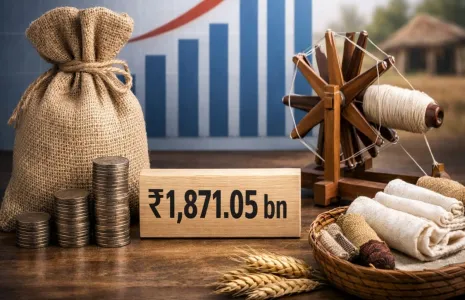
Sales of khadi and village industry products reached Rs. 1.87 tn in FY26, up 20 per cent from Rs. 1.55 tn a year earlier, based on provisional KVIC data released in May. Khadi sales increased 10 per cent to Rs. 78.69 bn from Rs. 71.45 bn. Artisan wages also rose to Rs. 15 per hank in FY26 from Rs. 4 in FY14, although hank lengths vary by textile.

Industry representatives said financial support would need to be accompanied by better infrastructure, improved production practices and stronger market connections. Many small businesses in the sector operate outside the formal economy and have limited financial capacity to pay higher wages. The sector must also respond to demand for healthier products, better-quality textiles and climate-related production challenges while retaining regional craft identities and supporting the livelihoods of producers.

The Ministry of Micro, Small and Medium Enterprises (MSME) has sought Rs. 60 bn to continue the Khadi Gramodyog Vikas Yojana for five years through March 2031. The proposed funding is intended to support artisans, predominantly women, unemployed rural youth, self-help groups and thousands of village industries while helping preserve khadi’s historic association with India’s freedom struggle. About 20.4 mn people were engaged in khadi and village industries in fiscal year 2026 (FY26), according to the Khadi and Village Industries Commission (KVIC). The government spent Rs. 23.74 bn under the scheme during the three years through FY26. The programme has two components: Khadi Vikas Yojana, which promotes and develops the khadi sector, and Gramodyog Vikas Yojana, which supports village industries through shared facilities, technological modernisation, training and other assistance. The MSME ministry implements support through KVIC, a statutory body established by an Act of Parliament in 1956. Discussions on continuing the scheme are under way, with targeted assistance planned for the broader ecosystem, according to a government official. Queries sent to the MSME and finance ministries and KVIC remained unanswered. Sales of khadi and village industry products reached Rs. 1.87 tn in FY26, up 20 per cent from Rs. 1.55 tn a year earlier, based on provisional KVIC data released in May. Khadi sales increased 10 per cent to Rs. 78.69 bn from Rs. 71.45 bn. Artisan wages also rose to Rs. 15 per hank in FY26 from Rs. 4 in FY14, although hank lengths vary by textile. Industry representatives said financial support would need to be accompanied by better infrastructure, improved production practices and stronger market connections. Many small businesses in the sector operate outside the formal economy and have limited financial capacity to pay higher wages. The sector must also respond to demand for healthier products, better-quality textiles and climate-related production challenges while retaining regional craft identities and supporting the livelihoods of producers.

Related Stories

Gold Stories

Next Story
Resources

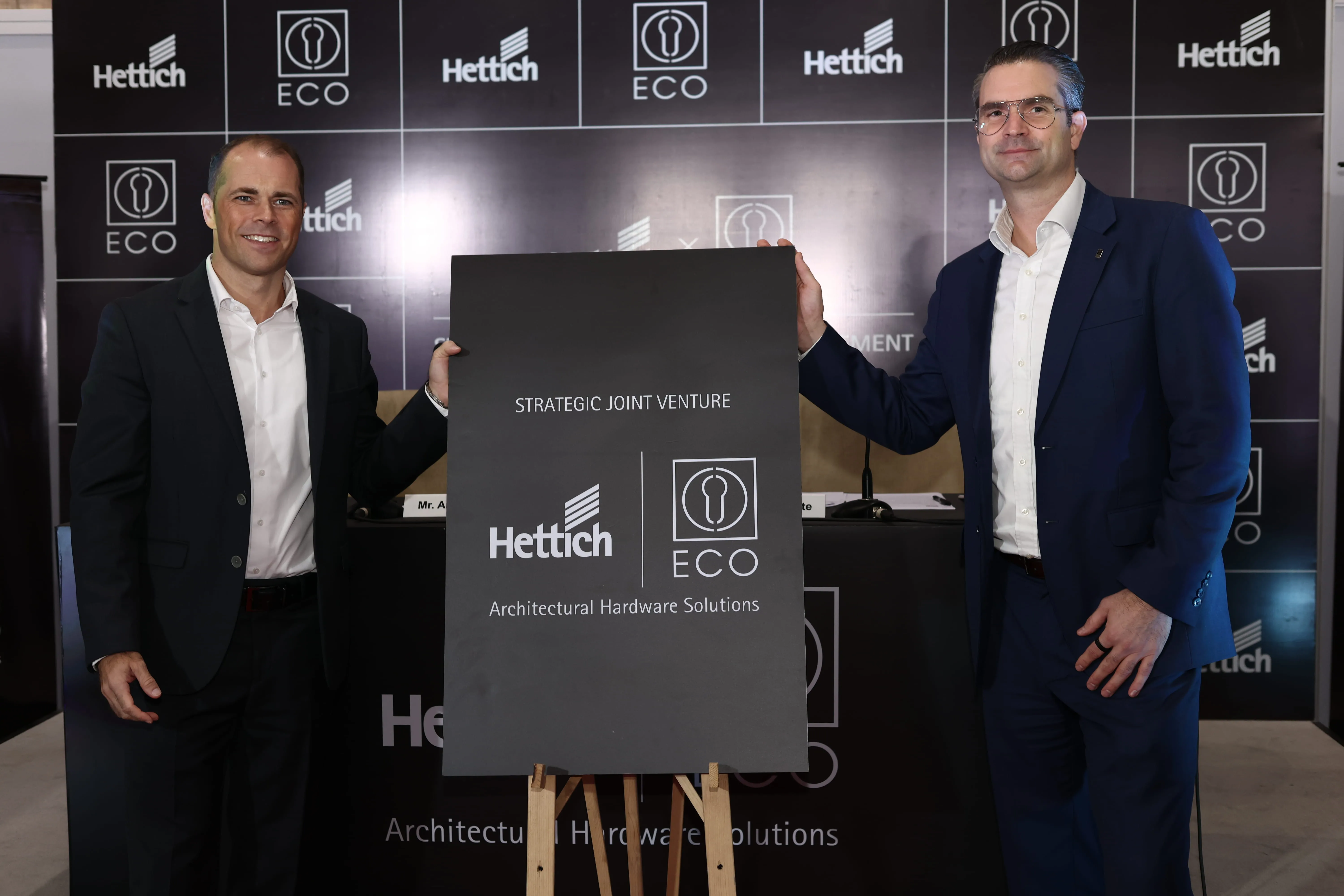
Hettich India And ECO Schulte Form Joint Venture In India

Hettich India and German company ECO Schulte have announced a strategic joint venture to strengthen their presence in India's architectural hardware market. The partnership was announced at ACETECH Mumbai on November 20, 2026, bringing together the two family-owned businesses with a combined engineering heritage of 238 years.The venture combines Hettich's expertise in furniture fittings and interior solutions with ECO Schulte's experience in architectural door hardware and engineered door systems. Its focus will span residential, commercial, institutional and infrastructure projects.Hettich, w..

Next Story
Real Estate

Address Maker sells over 200 Apollo Address plots in six weeks

The Address Maker Group has sold more than two-thirds of the inventory at its Apollo Address villa-plot development in Nelamangala, North-West Bengaluru, within six weeks of its launch. With over 200 plots purchased and approximately 100 remaining, the project has recorded the fastest sales pace in the developer's history.Spread across 23 acres within a larger 90-acre township, Apollo Address offers villa plots ranging from 1,200 to 2,400 sq ft. Inspired by classical Greek architecture, the development features planned infrastructure, landscaped open spaces and residential amenities.Nearly 30 ..

Next Story
Equipment

Zoomlion strengthens equipment partnerships in Australia

Zoomlion Heavy Industry Science & Technology has reaffirmed its commitment to expanding operations in Australia, with Chairman and CEO Zhan Chunxin meeting customers and business partners in Sydney to strengthen long-term partnerships and discuss opportunities for closer collaboration.The meeting, held on 4 November 2026, focused on equipment quality, technical support, spare parts availability, local training and customer service improvements. Representatives from the tower crane, concrete machinery, earthmoving, aerial work platform, agricultural machinery and financial sectors participa..

Advertisement

Subscribe to Our Newsletter

Get daily newsletters around different themes from Construction world.

STAY CONNECTED

Advertisement

SPECIAL OFFER
QR Code