MSMEs Must Improve Quality to Leverage FTA Opportunities
ECONOMY & POLICY

MSMEs Must Improve Quality to Leverage FTA Opportunities

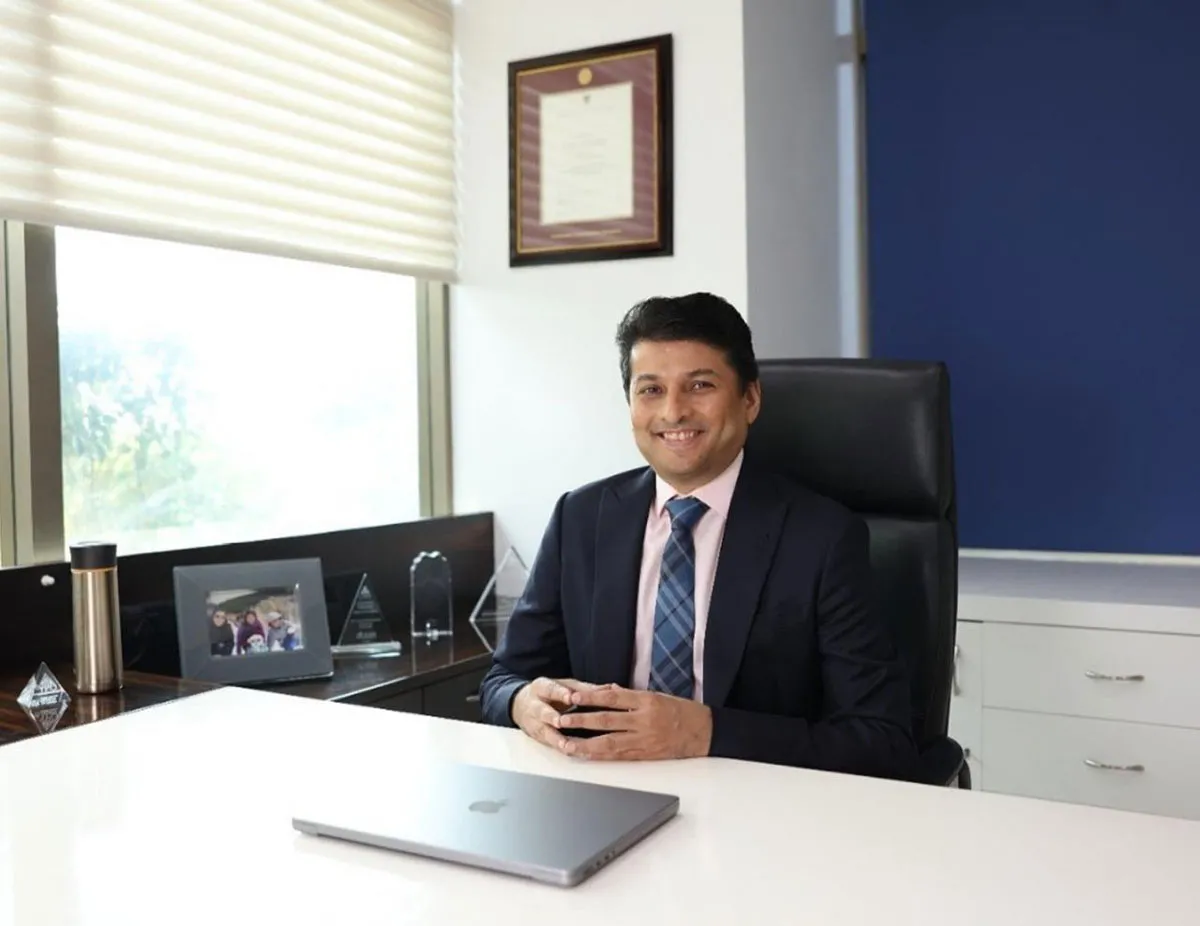
Free trade agreements (FTAs) and economic partnerships are creating opportunities for Indian micro, small and medium enterprises (MSMEs) in international markets, but improvements in quality and competitiveness will be essential to benefit from them, MSME Secretary Bharat Khera said on Tuesday.

Speaking on the sidelines of the Confederation of Indian Industry’s 23rd Global MSME Business Summit 2026, Khera said the Ministry of MSME was following a comprehensive approach to strengthen the sector and support the Viksit Bharat 2047 vision. Its priorities include enterprise formalisation, access to finance, quality improvement, technology adoption, export competitiveness, entrepreneurship and skill development.

Khera said sustained efforts to bring informal businesses into the formal economy had resulted in 98 mn enterprises registering on the Udyam platform. He also highlighted the Credit Guarantee Scheme for Micro and Small Enterprises and the Trade Receivables Discounting System (TReDS) as important channels for improving access to finance.

TReDS discounting rose from Rs. 400 bn in 2022-23 to Rs. 3.5 tn in the last financial year, while outstanding credit to the MSME sector increased fourfold from about Rs. 1 tn a decade ago to nearly Rs. 4 tn. Khera said the ministry was also promoting the Zero Defect, Zero Effect scheme to encourage quality standards and improved manufacturing practices.

Although bronze-level certifications have increased, adoption of silver and gold certifications remains limited. The ministry plans to work with the Quality Council of India and the National Productivity Council to promote higher standards, while closer cooperation with technology centres is intended to make technology more accessible to businesses.

Khera said first-time exporters, particularly small businesses in remote areas, needed greater support with logistics and export preparedness. He also urged larger companies to assist MSMEs through innovation, technology transfer, vendor development and supply-chain integration, including businesses in Tier-II and Tier-III cities supporting 13-14 sectors covered by Production Linked Incentive schemes.

Free trade agreements (FTAs) and economic partnerships are creating opportunities for Indian micro, small and medium enterprises (MSMEs) in international markets, but improvements in quality and competitiveness will be essential to benefit from them, MSME Secretary Bharat Khera said on Tuesday. Speaking on the sidelines of the Confederation of Indian Industry’s 23rd Global MSME Business Summit 2026, Khera said the Ministry of MSME was following a comprehensive approach to strengthen the sector and support the Viksit Bharat 2047 vision. Its priorities include enterprise formalisation, access to finance, quality improvement, technology adoption, export competitiveness, entrepreneurship and skill development. Khera said sustained efforts to bring informal businesses into the formal economy had resulted in 98 mn enterprises registering on the Udyam platform. He also highlighted the Credit Guarantee Scheme for Micro and Small Enterprises and the Trade Receivables Discounting System (TReDS) as important channels for improving access to finance. TReDS discounting rose from Rs. 400 bn in 2022-23 to Rs. 3.5 tn in the last financial year, while outstanding credit to the MSME sector increased fourfold from about Rs. 1 tn a decade ago to nearly Rs. 4 tn. Khera said the ministry was also promoting the Zero Defect, Zero Effect scheme to encourage quality standards and improved manufacturing practices. Although bronze-level certifications have increased, adoption of silver and gold certifications remains limited. The ministry plans to work with the Quality Council of India and the National Productivity Council to promote higher standards, while closer cooperation with technology centres is intended to make technology more accessible to businesses. Khera said first-time exporters, particularly small businesses in remote areas, needed greater support with logistics and export preparedness. He also urged larger companies to assist MSMEs through innovation, technology transfer, vendor development and supply-chain integration, including businesses in Tier-II and Tier-III cities supporting 13-14 sectors covered by Production Linked Incentive schemes.

Related Stories

Gold Stories

Next Story
Infrastructure Energy

GEON Commissions 10 MW/20 MWh BESS in Jaisalmer

GEON, the future technologies division of Kabra Extrusiontechnik, has commissioned a 10 MW/20 MWh battery energy storage system (BESS) in Jaisalmer, Rajasthan, on an engineering, procurement and construction (EPC) basis.Executed in accordance with the Rajasthan Integrated Clean Energy Policy, 2024, the project covered detailed engineering and design, equipment procurement and supply, installation, testing and commissioning.The system has a power capacity of 10 MW and an energy storage capacity of 20 MWh. It is designed to improve energy management, support grid stability and facilitate the int..
Next Story
Infrastructure Urban

Tembo Lists on BSE, Expands Defence Manufacturing Plans

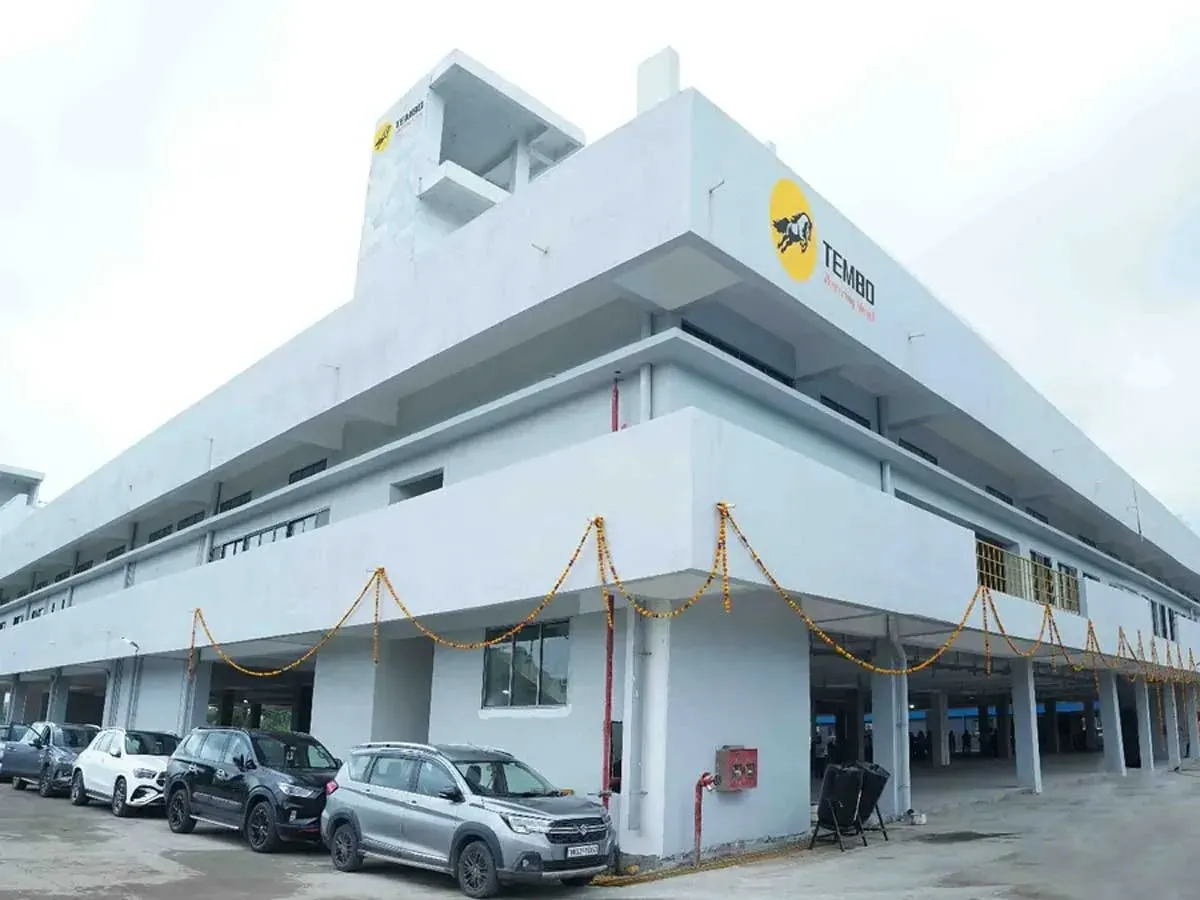
Tembo Global Industries has listed its equity shares on the Main Board of BSE while expanding its focus on defence manufacturing and unmanned aerial vehicle (UAV) technologies alongside its existing engineering and industrial businesses.Through its subsidiary, Tembo Classic Engineering, the company is developing manufacturing capabilities in small arms and ammunition. Its defence facility in Amravati, Maharashtra, is under development, with commercial production targeted for Q1 FY2028. The subsidiary has obtained government licences for ammunition and small-arms manufacturing.The company is co..
Next Story
Infrastructure Urban

Bondada Gets NSE In-Principle Nod for Main Board Migration

Bondada Engineering has received in-principle approval from the National Stock Exchange of India (NSE) to migrate its equity shares from the BSE SME Platform to NSE’s Capital Market Segment, or Main Board.The approval, conveyed through a letter dated 14 October 2026, follows BSE’s in-principle approval on 9 September 2026 for migration to its Main Board. The company now holds preliminary approvals to establish a presence on the Main Boards of both exchanges.Bondada Engineering will complete the subsequent formalities required under applicable regulatory and stock exchange requirements. The..

Advertisement

Subscribe to Our Newsletter

Get daily newsletters around different themes from Construction world.

STAY CONNECTED

Advertisement

SPECIAL OFFER
QR Code