
NDMC Tables Rs 59.5bn Budget With Rs 1.43bn Surplus
ECONOMY & POLICY

NDMC Tables Rs 59.5bn Budget With Rs 1.43bn Surplus

The New Delhi Municipal Council on Tuesday presented a Rs 59.53 billion Budget for 2026–27, projecting a net surplus of Rs 1.43 billion and continuing its long-standing record of fiscal discipline. The Budget, tabled at a special council meeting at Palika Kendra, focuses on artificial intelligence in education, green and smart city initiatives, improved civic services and employee welfare, while keeping property tax rates unchanged.

Presenting the Budget, NDMC Chairperson Keshav Chandra said the financial plan aligns with the Centre’s “Viksit Bharat @2047” vision and seeks to balance heritage conservation with modernisation under the “Vikas Bhi Virasat Bhi” framework. Delhi Minister and New Delhi MLA Parvesh Verma, who presided over the meeting, said development in the heart of the national capital must progress without compromising environmental sustainability. MP Bansuri Swaraj described the Budget as part of a wider transformation to make New Delhi resilient and future-ready.

Education and technology form a core pillar of the proposals. NDMC Vice Chairperson Kuljeet Singh Chahal said the council has already trained 300 students in artificial intelligence through hands-on workshops and plans to expand the “AI for All” programme to Classes 7 to 12 in 2026. Navyug School at Pandara Road is being developed as a City Model School, with a similar proposal for the Sarojini Nagar campus. The Budget also provides for a dedicated engineering wing for school infrastructure, annual inspections and an end-to-end digital school life management system.

A strong green agenda runs through the Budget. Proposed initiatives include Miyawaki forests, expansion of decentralised sewage treatment plants, dust-free mechanised cleaning, hydrogen and electricity generation from STPs, and the use of photo-luminescent solar paint to improve road safety. NDMC reiterated its target of shifting to 100 per cent renewable energy by 2028, with rooftop solar feasibility studies currently under way.

On safety and civic amenities, more than 2,000 additional CCTV cameras will be integrated with the Integrated Command and Control Centre. Public toilets will be upgraded into eco-friendly, revenue-based facilities, and more Smart Pink Toilets will be added across the NDMC area.

Employee welfare measures include increasing benevolent fund relief for SC/ST staff from Rs 0.05 million to Rs 0.075 million and introducing a medical health scheme for contractual employees.

On the financial side, total receipts for 2026–27 are estimated at Rs 59.53 billion, up from Rs 56.89 billion in the revised estimates for 2025–26. Total expenditure is pegged at Rs 58.10 billion, with capital expenditure rising sharply to Rs 9.44 billion. Property tax collections are projected at Rs 12.9 billion, even as tax rates remain unchanged.

The New Delhi Municipal Council on Tuesday presented a Rs 59.53 billion Budget for 2026–27, projecting a net surplus of Rs 1.43 billion and continuing its long-standing record of fiscal discipline. The Budget, tabled at a special council meeting at Palika Kendra, focuses on artificial intelligence in education, green and smart city initiatives, improved civic services and employee welfare, while keeping property tax rates unchanged. Presenting the Budget, NDMC Chairperson Keshav Chandra said the financial plan aligns with the Centre’s “Viksit Bharat @2047” vision and seeks to balance heritage conservation with modernisation under the “Vikas Bhi Virasat Bhi” framework. Delhi Minister and New Delhi MLA Parvesh Verma, who presided over the meeting, said development in the heart of the national capital must progress without compromising environmental sustainability. MP Bansuri Swaraj described the Budget as part of a wider transformation to make New Delhi resilient and future-ready. Education and technology form a core pillar of the proposals. NDMC Vice Chairperson Kuljeet Singh Chahal said the council has already trained 300 students in artificial intelligence through hands-on workshops and plans to expand the “AI for All” programme to Classes 7 to 12 in 2026. Navyug School at Pandara Road is being developed as a City Model School, with a similar proposal for the Sarojini Nagar campus. The Budget also provides for a dedicated engineering wing for school infrastructure, annual inspections and an end-to-end digital school life management system. A strong green agenda runs through the Budget. Proposed initiatives include Miyawaki forests, expansion of decentralised sewage treatment plants, dust-free mechanised cleaning, hydrogen and electricity generation from STPs, and the use of photo-luminescent solar paint to improve road safety. NDMC reiterated its target of shifting to 100 per cent renewable energy by 2028, with rooftop solar feasibility studies currently under way. On safety and civic amenities, more than 2,000 additional CCTV cameras will be integrated with the Integrated Command and Control Centre. Public toilets will be upgraded into eco-friendly, revenue-based facilities, and more Smart Pink Toilets will be added across the NDMC area. Employee welfare measures include increasing benevolent fund relief for SC/ST staff from Rs 0.05 million to Rs 0.075 million and introducing a medical health scheme for contractual employees. On the financial side, total receipts for 2026–27 are estimated at Rs 59.53 billion, up from Rs 56.89 billion in the revised estimates for 2025–26. Total expenditure is pegged at Rs 58.10 billion, with capital expenditure rising sharply to Rs 9.44 billion. Property tax collections are projected at Rs 12.9 billion, even as tax rates remain unchanged.

Next Story
Infrastructure Transport

Dhalbhumgarh Airport Faces 150-km Rule Hurdle

The issue has resurfaced following a recent statement by Union Civil Aviation Minister Ram Mohan Naidu, who said that under existing aviation policy, a new greenfield airport is generally not permitted within an aerial distance of 150 kilometres of an operational civilian airport. He added, however, that if a formal proposal is submitted, its impact on the existing airport can be examined and relaxations may be considered on a case-by-case basis. While the clarification has revived some hope for Dhalbhumgarh, it has also underlined the scale of the technical challenge facing the project. Unde..
Next Story
Infrastructure Transport

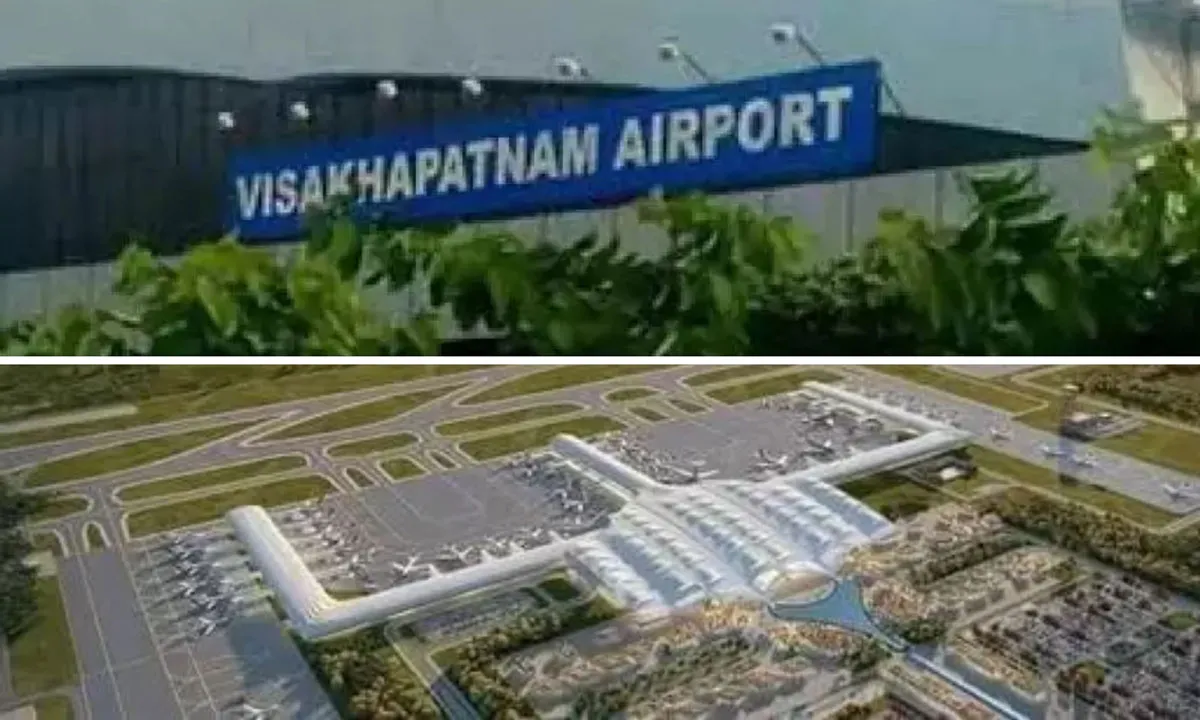
Stakeholders Seek Parallel Ops For Vizag Airports

With road and metro rail links to Bhogapuram still several years away, stakeholders in north Andhra Pradesh have renewed demands to continue civil operations at INS Dega even after the commissioning of Bhogapuram International Airport. The new airport is expected to begin commercial operations from June. Officials said close to 80 per cent of the airport infrastructure at Bhogapuram, including the terminal building and internal approach roads, has already been completed. However, inadequate external connectivity remains a key concern. Making a case for parallel operations, Andhra Pradesh Air ..
Next Story
Infrastructure Transport

Govt To Roll Out V2V Tech To Cut Road Crashes

In an effort to curb road accidents, particularly in low-visibility conditions such as dense fog, the government is set to roll out vehicle-to-vehicle (V2V) communication technology that will allow cars to exchange real-time data and alert drivers to potential dangers. The announcement was made by Union Road Transport and Highways Minister Nitin Gadkari after the 43rd meeting of the Transport Development Council. The technology involves installing an on-board unit (OBU) in vehicles, enabling wireless data exchange between nearby cars. This will allow vehicles to share information such as spee..

Advertisement

Subscribe to Our Newsletter

Get daily newsletters around different themes from Construction world.

STAY CONNECTED

Advertisement

Advertisement

Advertisement

Advertisement

Open In App