Kerala Court Releases MSC Vessel After Rs 12.28bn Guarantee
ECONOMY & POLICY

Kerala Court Releases MSC Vessel After Rs 12.28bn Guarantee

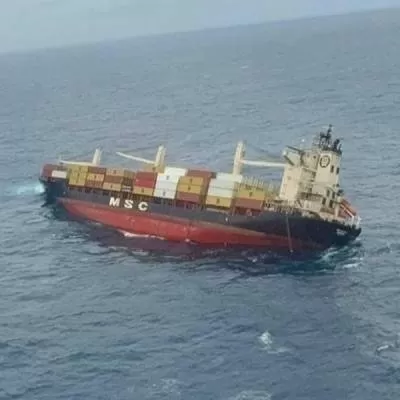
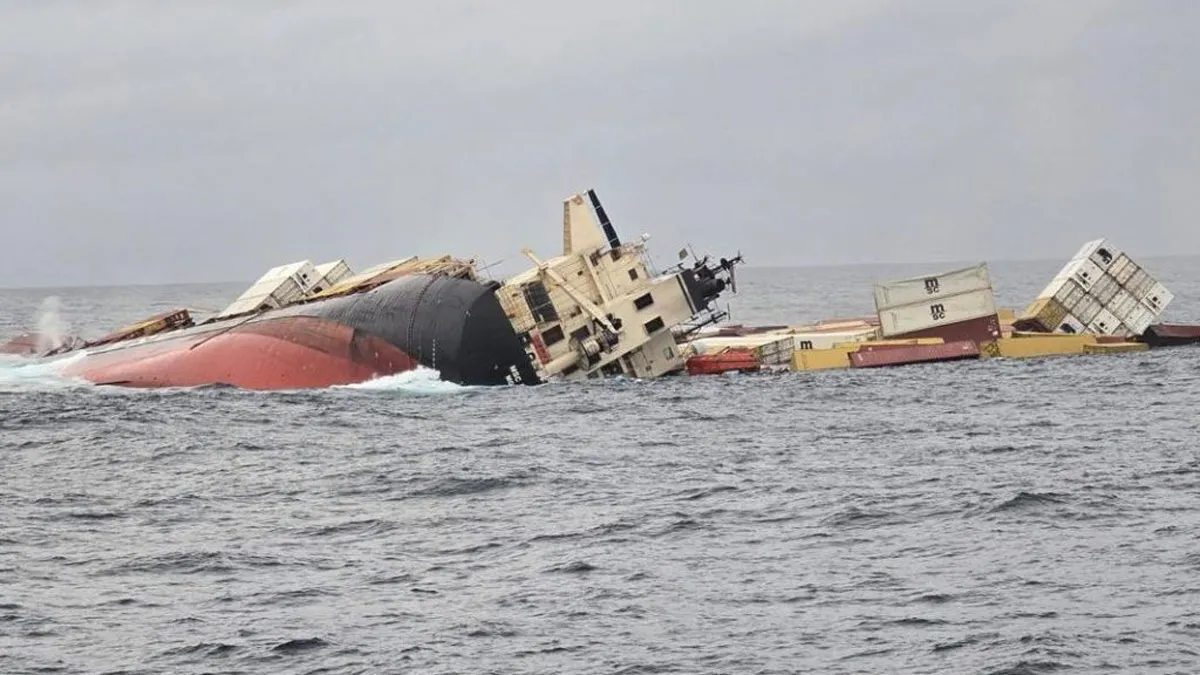
The owner of container ship MSC Elsa 3, which sank off the Kerala coast in May 2025, has deposited a compensation amount of Rs 12.28 billion with the Kerala High Court in the form of a bank guarantee. Following the deposit, the court permitted the release of its sister vessel, MSC Akiteta-2.

The sister vessel, which had been detained off Vizhinjam under a court order dated November 11, has since sailed from the port. A Bench headed by Justice M. A. Abdul Hakhim posted the matter relating to compensation for further hearing on February 13.

In September, the High Court had reduced the security amount payable by the ship’s owners from Rs 95.31 billion to Rs 12.28 billion, modifying its earlier order of July 7. The original order had been passed in an admiralty suit filed by the Kerala government, pursuant to which MSC Akiteta-2 was detained at Vizhinjam.

The state government had sought compensation of Rs 95.31 billion, primarily citing marine and coastal pollution and losses suffered by fishing communities following the sinking of the vessel. Acting on the claim, the court had ordered the conditional arrest of the sister ship until the security amount was furnished.

In its earlier observations, the court held that the discharge of oil from the vessel into the sea had been established and that such discharge posed a serious risk of environmental pollution.

The owner of container ship MSC Elsa 3, which sank off the Kerala coast in May 2025, has deposited a compensation amount of Rs 12.28 billion with the Kerala High Court in the form of a bank guarantee. Following the deposit, the court permitted the release of its sister vessel, MSC Akiteta-2. The sister vessel, which had been detained off Vizhinjam under a court order dated November 11, has since sailed from the port. A Bench headed by Justice M. A. Abdul Hakhim posted the matter relating to compensation for further hearing on February 13. In September, the High Court had reduced the security amount payable by the ship’s owners from Rs 95.31 billion to Rs 12.28 billion, modifying its earlier order of July 7. The original order had been passed in an admiralty suit filed by the Kerala government, pursuant to which MSC Akiteta-2 was detained at Vizhinjam. The state government had sought compensation of Rs 95.31 billion, primarily citing marine and coastal pollution and losses suffered by fishing communities following the sinking of the vessel. Acting on the claim, the court had ordered the conditional arrest of the sister ship until the security amount was furnished. In its earlier observations, the court held that the discharge of oil from the vessel into the sea had been established and that such discharge posed a serious risk of environmental pollution.

Next Story
Infrastructure Transport

MMRDA: Engineering Mumbai’s Underground Future

Somewhere beneath Mumbai’s restless surface, a second city is being built into existence.In the late afternoon, as the day leaned towards evening, Dr Sanjay Mukherjee, Metropolitan Commissioner (MMRDA), led us into a realm that very few ever enter—the active heart of one of Mumbai’s most ambitious underground road projects. While the city surges forward in familiar chaos above the ground, another Mumbai is taking shape below: quietly, methodically, irrevocably. The metal lift doors clo..

Next Story
Building Material

Steel: Shielded or Strengthened?

Going forward, domestic steel mills are targeting capacity expansion of nearly 40 per cent through till FY31, adding 80-85 mt, translating into an investment pipeline of $ 45-50 billion. So, Jhunjhunwala points out that continuing the safeguard duty will be vital to prevent a surge in imports and protect domestic prices from external shocks. While in FY26, the industry operating profit per tonne is expected to hold at around $ 108, similar to last year, the industry’s earnings must meaningfully improve from hereon to sustain large-scale investments. Else, domestic mills could..

Next Story
Infrastructure Transport

Metro Moves: From Expansion to System Integration

India’s metro rail programme has entered a new phase—one where the focus is no longer only on adding kilometres, but on building integrated, reliable and financially sustainable urban transit systems. With more than 1,000 km of metro lines already operational and daily ridership exceeding 10 million, the challenge now lies in execution quality, underground risk management, multimodal integration, viable funding structures, and large-scale digital adoption. These themes framed deliber..

Advertisement

Subscribe to Our Newsletter

Get daily newsletters around different themes from Construction world.

STAY CONNECTED

Advertisement

Advertisement

Advertisement

Advertisement

Open In App