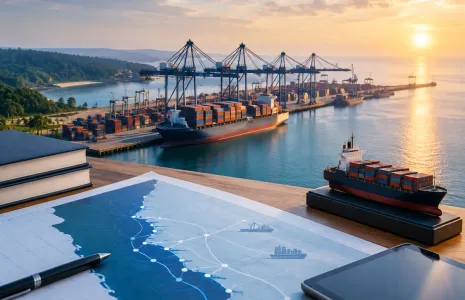
Centre Unveils Rs 2.19bn Port Projects In Chennai
PORTS & SHIPPING

Centre Unveils Rs 2.19bn Port Projects In Chennai

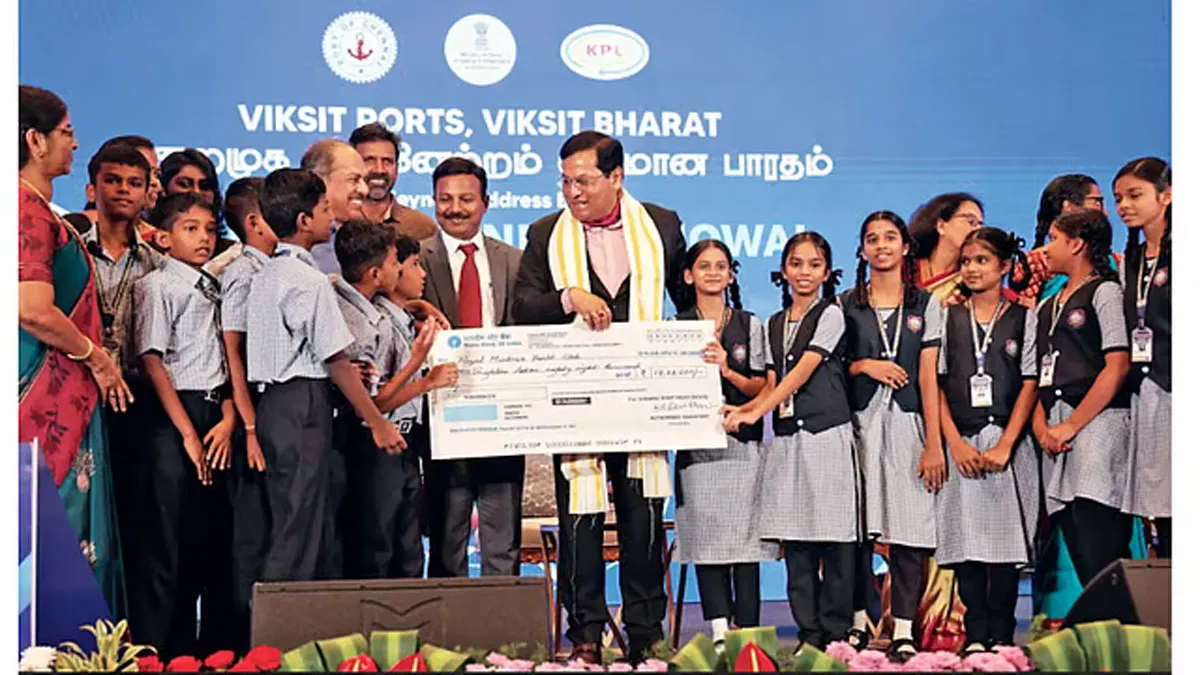
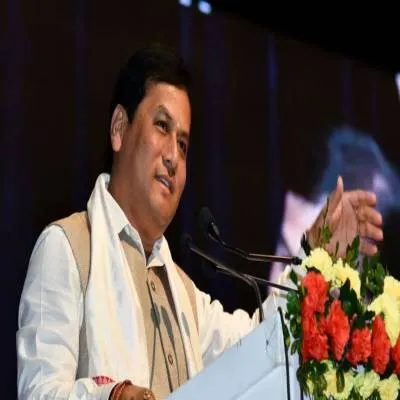
Union Minister for Ports, Shipping and Waterways Sarbananda Sonowal on Wednesday inaugurated and laid foundation stones for port infrastructure projects worth about Rs 2.19 billion at Chennai Port Authority and Kamarajar Port, aimed at strengthening coastal protection, safety systems, healthcare facilities and digital operations.

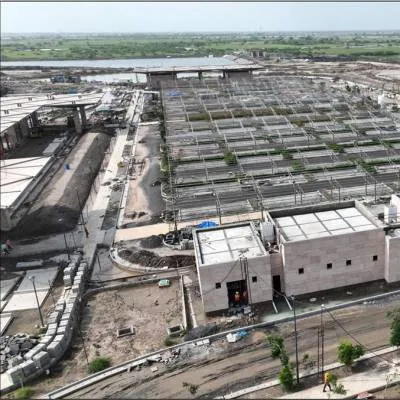
At Chennai Port Authority, four projects with a combined investment of more than Rs 1.29 billion were inaugurated. These include the strengthening of nearly 850 metres of the eastern breakwater, where the revetment has been upgraded with redesigned slopes and tetrapod armouring to improve protection against storms and cyclones.

A new firefighting pump house was commissioned at the oil dock areas of Bharati Dock 1 and 3 to enhance emergency preparedness in hazardous zones. The port also inaugurated the modernisation of Chennai Port Hospital, upgrading it into a 125-bed facility spread across around 127,000 sq ft, with improved wards, operation theatres, diagnostics and enhanced safety systems.

The fourth project involved the launch of an Enterprise Business System, an integrated SAP-based digital platform designed to reduce paperwork, cut delays and improve turnaround time for port users by streamlining operations.

At Kamarajar Port, the minister laid foundation stones for two infrastructure projects and launched an e-Port Clearance Portal to enable electronic port clearance for shipping lines and agents. One of the projects is a Rs 0.014 billion northern access road connectivity initiative, involving the realignment of a 360-metre stretch of the port’s boundary wall to facilitate faster cargo evacuation.

The port has also completed the rehabilitation of a 202-metre damaged section of the northern breakwater at a cost of Rs 1.05 billion, using heavy tetrapods and rock armouring designed by IIT Madras. Sonowal said the projects would strengthen port resilience, improve safety and speed up operations, contributing to lower logistics costs and more efficient cargo movement.

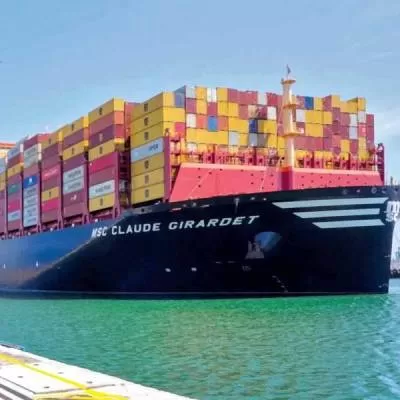
Together, Chennai and Kamarajar ports crossed 100 million tonnes of cargo handling in 2025 for the first time. Chennai Port handles about 1.8 million standard shipping containers annually, while Kamarajar Port handled 48.41 million tonnes of bulk and liquid cargo last year, with utilisation exceeding 80 per cent of its capacity.

Union Minister for Ports, Shipping and Waterways Sarbananda Sonowal on Wednesday inaugurated and laid foundation stones for port infrastructure projects worth about Rs 2.19 billion at Chennai Port Authority and Kamarajar Port, aimed at strengthening coastal protection, safety systems, healthcare facilities and digital operations. At Chennai Port Authority, four projects with a combined investment of more than Rs 1.29 billion were inaugurated. These include the strengthening of nearly 850 metres of the eastern breakwater, where the revetment has been upgraded with redesigned slopes and tetrapod armouring to improve protection against storms and cyclones. A new firefighting pump house was commissioned at the oil dock areas of Bharati Dock 1 and 3 to enhance emergency preparedness in hazardous zones. The port also inaugurated the modernisation of Chennai Port Hospital, upgrading it into a 125-bed facility spread across around 127,000 sq ft, with improved wards, operation theatres, diagnostics and enhanced safety systems. The fourth project involved the launch of an Enterprise Business System, an integrated SAP-based digital platform designed to reduce paperwork, cut delays and improve turnaround time for port users by streamlining operations. At Kamarajar Port, the minister laid foundation stones for two infrastructure projects and launched an e-Port Clearance Portal to enable electronic port clearance for shipping lines and agents. One of the projects is a Rs 0.014 billion northern access road connectivity initiative, involving the realignment of a 360-metre stretch of the port’s boundary wall to facilitate faster cargo evacuation. The port has also completed the rehabilitation of a 202-metre damaged section of the northern breakwater at a cost of Rs 1.05 billion, using heavy tetrapods and rock armouring designed by IIT Madras. Sonowal said the projects would strengthen port resilience, improve safety and speed up operations, contributing to lower logistics costs and more efficient cargo movement. Together, Chennai and Kamarajar ports crossed 100 million tonnes of cargo handling in 2025 for the first time. Chennai Port handles about 1.8 million standard shipping containers annually, while Kamarajar Port handled 48.41 million tonnes of bulk and liquid cargo last year, with utilisation exceeding 80 per cent of its capacity.

Next Story
Infrastructure Transport

MMRDA: Engineering Mumbai’s Underground Future

Somewhere beneath Mumbai’s restless surface, a second city is being built into existence.In the late afternoon, as the day leaned towards evening, Dr Sanjay Mukherjee, Metropolitan Commissioner (MMRDA), led us into a realm that very few ever enter—the active heart of one of Mumbai’s most ambitious underground road projects. While the city surges forward in familiar chaos above the ground, another Mumbai is taking shape below: quietly, methodically, irrevocably. The metal lift doors clo..

Next Story
Building Material

Steel: Shielded or Strengthened?

Going forward, domestic steel mills are targeting capacity expansion of nearly 40 per cent through till FY31, adding 80-85 mt, translating into an investment pipeline of $ 45-50 billion. So, Jhunjhunwala points out that continuing the safeguard duty will be vital to prevent a surge in imports and protect domestic prices from external shocks. While in FY26, the industry operating profit per tonne is expected to hold at around $ 108, similar to last year, the industry’s earnings must meaningfully improve from hereon to sustain large-scale investments. Else, domestic mills could..

Next Story
Infrastructure Transport

Metro Moves: From Expansion to System Integration

India’s metro rail programme has entered a new phase—one where the focus is no longer only on adding kilometres, but on building integrated, reliable and financially sustainable urban transit systems. With more than 1,000 km of metro lines already operational and daily ridership exceeding 10 million, the challenge now lies in execution quality, underground risk management, multimodal integration, viable funding structures, and large-scale digital adoption. These themes framed deliber..

Advertisement

Subscribe to Our Newsletter

Get daily newsletters around different themes from Construction world.

STAY CONNECTED

Advertisement

Advertisement

Advertisement

Advertisement

Open In App