Odisha govt nods coastal highway project worth Rs 8,000 cr
ECONOMY & POLICY

Odisha govt nods coastal highway project worth Rs 8,000 cr

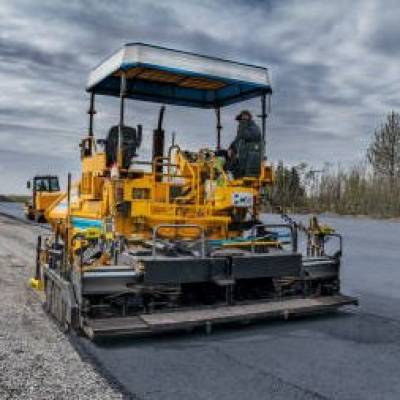
Odisha’s long delayed 382 km coastal highway project worth Rs 8,000 crore, has received state government approval. Due to environmental issues over the last six years, the project was unable to start the work.

The state government also agreed to the National Highways Authority of India (NHAI)’s realignment of the proposed highway at strategic points.

The work department of the state government has notified NHAI of its approval for the project, proposed under the Bharatmala Pariyojana of the Centre.

According to the media reports, the first tender for developing a part of the road would probably be invited by March next year.

The works department told the media that the highway would pass by Tangi (NH-16), Ratanpur, Satabhaya, Dhamra, Basudevpur, Talapada, Chandipur, Chandaneswar, Digha, Brahmagiri, Puri, Konark, Astarang, Naugaon, and Paradip Port.

The Odisha government has granted permission to the coastal highway. The highway would pass close to forest areas besides the Bay of Bengal coastline. Therefore, NHAI would ask for several administrative permissions necessary for the project.

With the environmental issues being resolved, the highway would pass by many places in Odisha. Earlier, the length of the project was from 450 km; now, it is 382 km. Apart from linking east Medinipur in West Bengal, it would also pass by Ganjam, Puri, Jagatsinghpur, Kendrapara, Bhadrak, Balasore districts.

The highway would also not impact the ecology of Bhitarkanika national park, Balukhand wildlife sanctuary, and the turtle nesting grounds.

It would also grow as an economic hallway for the agricultural and pisciculture products transported to Paradip and Dhamra port. Moreover, it would also serve as a protective block for the exposed seaside villages from cyclones and floods.

The coastal highway project ranging from Gopalpur of Odisha to Digha of West Bengal would provide an improvement to infrastructure and economy to the State’s coastal region. After completion, it would also reduce the traffic load of National Highway-16.

Image Source


Also read: Mumbai coastal road project 36% completed: BMC

Odisha’s long delayed 382 km coastal highway project worth Rs 8,000 crore, has received state government approval. Due to environmental issues over the last six years, the project was unable to start the work. The state government also agreed to the National Highways Authority of India (NHAI)’s realignment of the proposed highway at strategic points. The work department of the state government has notified NHAI of its approval for the project, proposed under the Bharatmala Pariyojana of the Centre. According to the media reports, the first tender for developing a part of the road would probably be invited by March next year. The works department told the media that the highway would pass by Tangi (NH-16), Ratanpur, Satabhaya, Dhamra, Basudevpur, Talapada, Chandipur, Chandaneswar, Digha, Brahmagiri, Puri, Konark, Astarang, Naugaon, and Paradip Port. The Odisha government has granted permission to the coastal highway. The highway would pass close to forest areas besides the Bay of Bengal coastline. Therefore, NHAI would ask for several administrative permissions necessary for the project. With the environmental issues being resolved, the highway would pass by many places in Odisha. Earlier, the length of the project was from 450 km; now, it is 382 km. Apart from linking east Medinipur in West Bengal, it would also pass by Ganjam, Puri, Jagatsinghpur, Kendrapara, Bhadrak, Balasore districts. The highway would also not impact the ecology of Bhitarkanika national park, Balukhand wildlife sanctuary, and the turtle nesting grounds. It would also grow as an economic hallway for the agricultural and pisciculture products transported to Paradip and Dhamra port. Moreover, it would also serve as a protective block for the exposed seaside villages from cyclones and floods. The coastal highway project ranging from Gopalpur of Odisha to Digha of West Bengal would provide an improvement to infrastructure and economy to the State’s coastal region. After completion, it would also reduce the traffic load of National Highway-16. Image Source Also read: Mumbai coastal road project 36% completed: BMC

Next Story
Real Estate

Hindware Introduces Starc Smart Wall Mount Toilet

Hindware has introduced the Starc Smart Wall-Mount Toilet under its Hindware Italian Collection, designed to combine automation, hygiene and contemporary bathroom aesthetics. The model features automatic flushing, sensor-based seat opening and closing, and remote-controlled functions. It also includes an oscillating water spray and warm air dryer for cleaning, along with a self-cleaning nozzle designed to maintain hygiene. Additional features include adjustable heated seating, customisable water temperature and pressure settings, a foot-touch flush system and an LCD control interface. The wa..

Next Story
Equipment

Company showcases North America-certified machinery and secures new deals

Zoomlion Heavy Industry Science & Technology Co., recently showcased a wide portfolio of North America-certified and customised construction equipment at CONEXPO-CON/AGG 2026 in Las Vegas. The display included engineering hoisting machinery, concrete equipment, earthmoving machinery, mining equipment and construction hoisting solutions tailored to regional operational requirements.All equipment presented at the exhibition complies with North American certification standards, with several models specifically developed to meet local regulatory requirements and site conditions. One of the hig..

Next Story
Technology

Sinoboom Launches Dual-ETM Smart Technology

Sinoboom recently introduced its Dual-ETM Smart Technology at CONEXPO-CON/AGG 2026, designed to enhance battery endurance and operational efficiency in electric boom lifts.The new technology integrates advanced components that enable real-time optimisation of power usage during equipment operation. By calculating the precise power requirement instantly, the system delivers only the energy needed for each movement, reducing the inefficiencies associated with conventional maximum-demand power systems.The solution incorporates multiple sensors—including pressure, weight, length and level sensor..

Advertisement

Subscribe to Our Newsletter

Get daily newsletters around different themes from Construction world.

STAY CONNECTED

Advertisement

Advertisement

Advertisement