+
Odisha Pushes MSME-Friendly GST Reforms at 57th Council Meet
ECONOMY & POLICY

Odisha Pushes MSME-Friendly GST Reforms at 57th Council Meet

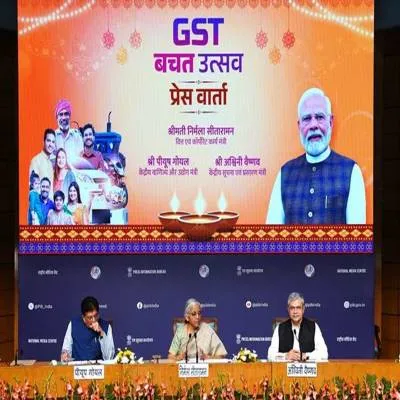
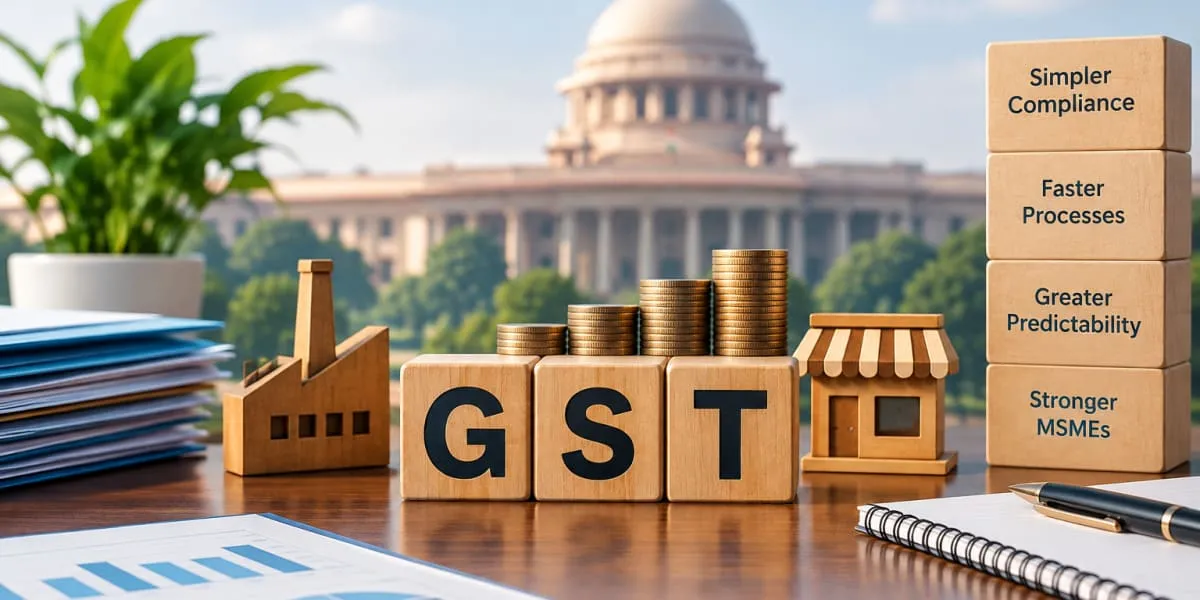
The 57th Goods and Services Tax (GST) Council meeting, chaired by Union Finance Minister Nirmala Sitharaman in New Delhi on 8 October 2026, considered a series of measures to make tax administration simpler, faster and more predictable for businesses. Ministers and senior officials from states and Union Territories participated in the deliberations.

Representing Odisha Chief Minister Mohan Charan Majhi, Cabinet Minister Prithviraj Harichandan outlined the state’s priorities on compliance relief and process improvements. The discussions were linked to the broader objective of supporting economic growth and advancing the Viksit Bharat 2047 vision, with particular attention to small businesses and exporters.

A central proposal involved system-based processing and sanction of refunds, which would provide genuine taxpayers with faster access to funds and clearer visibility over applications. The Council also considered refund of input tax credit on capital goods used for zero-rated supplies, along with input tax credit on input services and capital goods under the inverted duty structure. These measures would help release working capital for exporters and manufacturers.

Registration simplification was another key area of discussion. Clearer guidelines and practical tools are intended to help businesses in rural and semi-urban areas complete registration with fewer difficulties. Recommendations from the Working Group on GST Returns and Processes, in which Odisha’s State GST team participated, also covered return filing and an alternative mechanism for correcting liabilities and input tax credit claims. The proposed changes aim to reduce mismatches that can lead to avoidable notices.

Odisha officials additionally contributed to process-based refund reforms through the GST Law Committee. The Council considered removing arrest provisions for economic offences that can be addressed under existing GST law, seeking a more clearly defined balance between enforcement and taxpayer confidence. Taken together, the proposals are intended to reduce procedural friction for MSMEs and allow owners to devote more time to operations, investment and expansion. The deliberations indicate a continuing effort to create a more transparent and responsive GST framework.

The 57th Goods and Services Tax (GST) Council meeting, chaired by Union Finance Minister Nirmala Sitharaman in New Delhi on 8 October 2026, considered a series of measures to make tax administration simpler, faster and more predictable for businesses. Ministers and senior officials from states and Union Territories participated in the deliberations. Representing Odisha Chief Minister Mohan Charan Majhi, Cabinet Minister Prithviraj Harichandan outlined the state’s priorities on compliance relief and process improvements. The discussions were linked to the broader objective of supporting economic growth and advancing the Viksit Bharat 2047 vision, with particular attention to small businesses and exporters. A central proposal involved system-based processing and sanction of refunds, which would provide genuine taxpayers with faster access to funds and clearer visibility over applications. The Council also considered refund of input tax credit on capital goods used for zero-rated supplies, along with input tax credit on input services and capital goods under the inverted duty structure. These measures would help release working capital for exporters and manufacturers. Registration simplification was another key area of discussion. Clearer guidelines and practical tools are intended to help businesses in rural and semi-urban areas complete registration with fewer difficulties. Recommendations from the Working Group on GST Returns and Processes, in which Odisha’s State GST team participated, also covered return filing and an alternative mechanism for correcting liabilities and input tax credit claims. The proposed changes aim to reduce mismatches that can lead to avoidable notices. Odisha officials additionally contributed to process-based refund reforms through the GST Law Committee. The Council considered removing arrest provisions for economic offences that can be addressed under existing GST law, seeking a more clearly defined balance between enforcement and taxpayer confidence. Taken together, the proposals are intended to reduce procedural friction for MSMEs and allow owners to devote more time to operations, investment and expansion. The deliberations indicate a continuing effort to create a more transparent and responsive GST framework.

Related Stories

Gold Stories

Next Story
Real Estate

Adani begins construction of Dharavi rehabilitation homes

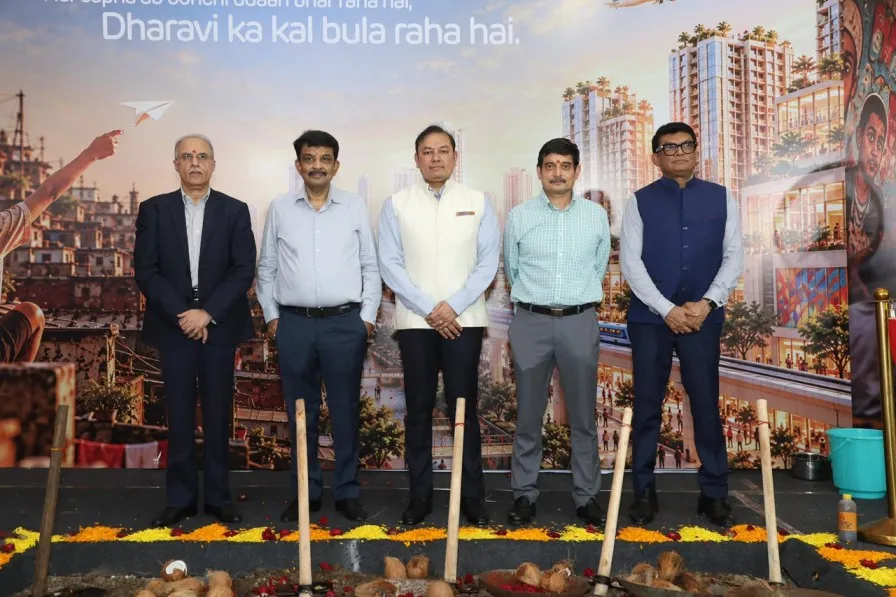
Construction of rehabilitation homes for eligible Dharavi residents has commenced at the 22-acre Matunga railway site, following a Bhoomi Poojan ceremony performed by Pranav Adani, Director, Adani Enterprises (AEL). The project, being implemented by Adani Navbharat Developers (ANDPL), envisages 10 towers comprising 10,432 rehabilitation apartments and 1,379 commercial and industrial units.Under the in-situ rehabilitation scheme, eligible residents will receive homes measuring 350 sq ft. Residents from Sectors 6 and 1 will be accommodated at Matunga first, followed by nearly 4,500 apartments fo..
Next Story
Equipment

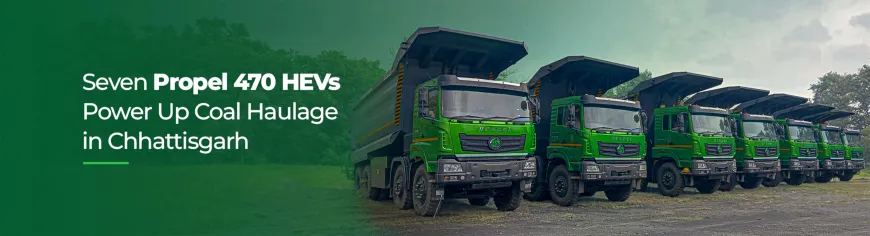
Seven Propel 470 HEV electric tippers go to work on coal haulage in Chhattisgarh

Propel EV, the electric mobility division of Propel Industries and India's No. 1 electric tipper brand, has deployed seven 470 HEV electric trucks with a leading coal-haulage contractor at one of India's largest opencast coal mines in Chhattisgarh. The trucks are in daily operation, moving coal on continuous haul cycles in one of the most demanding applications in Indian mining.Why Electric - and Why CoalCoal haulage runs round the clock: heavy loads, long haul cycles, steep ramps and abrasive dust. It is also where diesel hurts most. Engines run continuously, fuel is the largest single operat..
Next Story
Infrastructure Transport

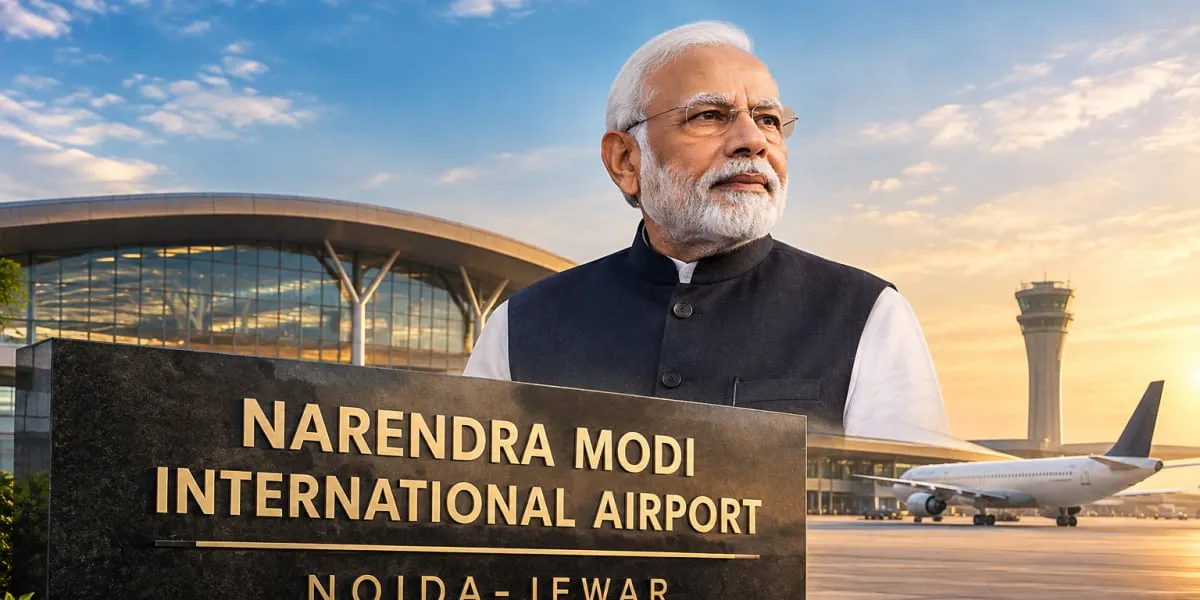
UP Cabinet Approves Renaming Jewar Airport After PM Modi

The Uttar Pradesh Cabinet has approved a proposal to rename Noida International Airport at Jewar as Narendra Modi International Airport, Noida-Jewar. Chief Minister Yogi Adityanath announced the decision after a Cabinet meeting, saying the airport represented a major contribution to the state and would become Uttar Pradesh’s largest airport and a significant aviation hub. The greenfield airport’s foundation stone was laid by Prime Minister Narendra Modi on November 25, 2021. He inaugurated Phase 1 on March 28, 2026, and commercial flights began on June 15. The facility is being developed a..

Advertisement

Subscribe to Our Newsletter

Get daily newsletters around different themes from Construction world.

STAY CONNECTED

Advertisement

SPECIAL OFFER
QR Code