


Passenger Vehicle Wholesale Surges in FY24
ECONOMY & POLICY

Passenger Vehicle Wholesale Surges in FY24

The passenger vehicle segment in India witnessed a significant surge in wholesale numbers during the fiscal year 2023-24 (FY24), according to data released by the Society of Indian Automobile Manufacturers (SIAM). The data indicates an 8.4% increase in wholesale volumes, reflecting a positive trajectory for the automotive industry.

The surge in wholesale figures signals a promising recovery for the passenger vehicle market, which faced challenges in the previous fiscal year due to the COVID-19 pandemic and associated disruptions. The growth in FY24 is a testament to the resilience and adaptability of the automotive sector in navigating through uncertainties and driving towards recovery.

Key factors contributing to the growth include increased consumer demand, improved economic conditions, and favourable government policies aimed at boosting the automotive industry. Additionally, the introduction of new models and enhanced features by automakers has also played a significant role in stimulating demand and driving sales.

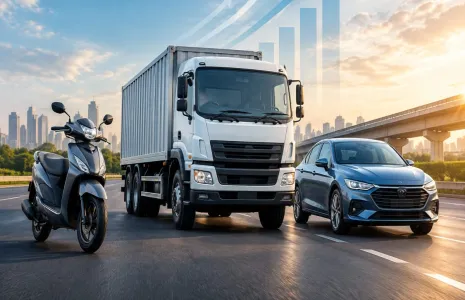
The passenger vehicle segment comprises a diverse range of vehicles, including hatchbacks, sedans, SUVs, and electric vehicles (EVs). The positive growth trend observed across these categories reflects a broad-based recovery in the market, with consumers showing interest in various vehicle segments.

The surge in wholesale volumes is indicative of a revival in consumer confidence and purchasing power, as individuals and families look to invest in personal mobility solutions. Moreover, factors such as urbanisation, changing lifestyles, and increasing disposable incomes are expected to further fuel the demand for passenger vehicles in the coming years.

As the automotive industry continues to evolve, manufacturers are likely to focus on innovation, sustainability, and digitalisation to meet evolving consumer preferences and regulatory requirements. The shift towards electric and connected vehicles is expected to gain momentum, presenting new opportunities for growth and investment in the sector.

In conclusion, the significant increase in passenger vehicle wholesale volumes in FY24 reflects a positive outlook for the automotive industry in India. With continued efforts towards innovation and sustainability, the sector is poised to sustain its growth trajectory and contribute to the country's economic development.

The passenger vehicle segment in India witnessed a significant surge in wholesale numbers during the fiscal year 2023-24 (FY24), according to data released by the Society of Indian Automobile Manufacturers (SIAM). The data indicates an 8.4% increase in wholesale volumes, reflecting a positive trajectory for the automotive industry. The surge in wholesale figures signals a promising recovery for the passenger vehicle market, which faced challenges in the previous fiscal year due to the COVID-19 pandemic and associated disruptions. The growth in FY24 is a testament to the resilience and adaptability of the automotive sector in navigating through uncertainties and driving towards recovery. Key factors contributing to the growth include increased consumer demand, improved economic conditions, and favourable government policies aimed at boosting the automotive industry. Additionally, the introduction of new models and enhanced features by automakers has also played a significant role in stimulating demand and driving sales. The passenger vehicle segment comprises a diverse range of vehicles, including hatchbacks, sedans, SUVs, and electric vehicles (EVs). The positive growth trend observed across these categories reflects a broad-based recovery in the market, with consumers showing interest in various vehicle segments. The surge in wholesale volumes is indicative of a revival in consumer confidence and purchasing power, as individuals and families look to invest in personal mobility solutions. Moreover, factors such as urbanisation, changing lifestyles, and increasing disposable incomes are expected to further fuel the demand for passenger vehicles in the coming years. As the automotive industry continues to evolve, manufacturers are likely to focus on innovation, sustainability, and digitalisation to meet evolving consumer preferences and regulatory requirements. The shift towards electric and connected vehicles is expected to gain momentum, presenting new opportunities for growth and investment in the sector. In conclusion, the significant increase in passenger vehicle wholesale volumes in FY24 reflects a positive outlook for the automotive industry in India. With continued efforts towards innovation and sustainability, the sector is poised to sustain its growth trajectory and contribute to the country's economic development.

Next Story
Equipment

Schwing Stetter India Unveils New Innovations at Excon 2025

Schwing Stetter India unveiled more than 20 new machines at Excon 2025, marking one of its most significant showcases and introducing several India-first technologies to the construction equipment sector. The company launched the country’s first 56-metre boom pump designed and manufactured in India, the first fully electric truck mixer, the first CNG mixer variant and the first hybrid boom pump. Executives said the launch portfolio was engineered to support India’s move toward faster, greener and more vertically oriented infrastructure through advanced engineering, clean-energy solutions a..

Next Story
Infrastructure Energy

SEPC Resolves Hindustan Copper Dispute, Wins Rs 725 Mn Order

Engineering, procurement and construction firm SEPC Ltd has recently settled a dispute with Hindustan Copper Ltd (HCL) and secured a mining infrastructure order valued at Rs 725 million from the state-owned company. SEPC informed the stock exchanges that it has executed a settlement deed with HCL, bringing closure to all inter-se claims and counterclaims arising from arbitration proceedings. As part of the settlement, SEPC will receive Rs 304.5 million as full and final payment, marking the resolution of all pending disputes between the two entities. The company also stated that Hindustan Co..

Next Story
Infrastructure Energy

20% Ethanol Blending Cuts India’s CO2 Emissions by 73.6 Mn Tonnes

Union Road Transport and Highways Minister Nitin Gadkari recently said that India has reduced carbon dioxide emissions by 73.6 million metric tonnes due to the adoption of 20 per cent ethanol blending in petrol. He made the statement while replying to supplementary questions during the Question Hour in the Lok Sabha. Describing ethanol as a green fuel, the minister said it plays a key role in reducing pollution while also supporting higher incomes for farmers. He underlined that ethanol blending contributes both to environmental sustainability and rural economic growth. Nitin Gadkari also po..

Advertisement

Subscribe to Our Newsletter

Get daily newsletters around different themes from Construction world.

STAY CONNECTED

Advertisement

Advertisement

Advertisement

Advertisement

Open In App