


PMPML bus breakdowns surge 30% this monsoon
ECONOMY & POLICY

PMPML bus breakdowns surge 30% this monsoon

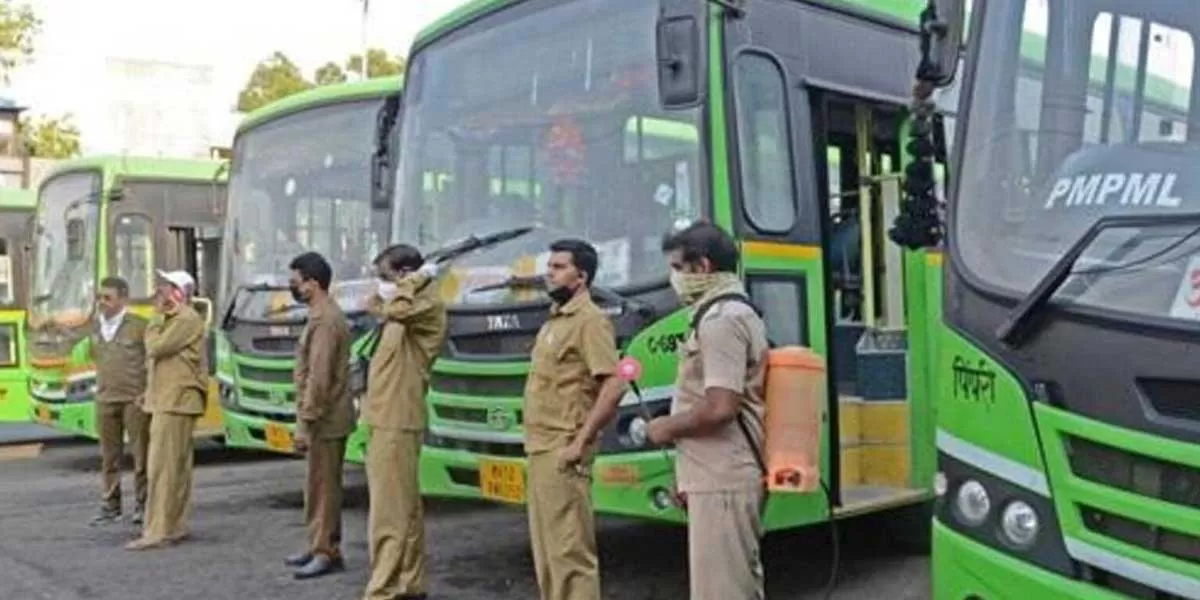
The Pune Mahanagar Parivahan Mahamandal Limited (PMPML) reported a 30% increase in bus breakdowns during the monsoon months this year, compared to the same period last year. Between June and September, 8,628 buses broke down, up from 6,658 in the previous year.

A senior PMPML official attributed the rise to poor road conditions in Pune, stating that the combination of heavy rainfall and existing potholes exacerbated the situation, leading to increased breakdowns and traffic jams. “This time, sudden and heavy rain caused chaos for several days,” the official remarked.

E-buses faced the most challenges this year, primarily due to charging issues linked to traffic and road conditions. Another official emphasised that while PMPML operates the buses, road maintenance falls under the jurisdiction of other departments and agencies.

Commuters expressed frustration over the ongoing issues. Shekhar Dixit, a frequent rider, criticized PMPML for providing the same explanations annually and questioned why other cities manage better. “Do officials mean to say that monsoons don’t affect other places in the country? Everyone is passing the buck; what kind of service is PMPML running?”

Akshay Denge, another regular commuter, pointed out that road construction continued during the monsoon despite directives from the Pune Municipal Corporation (PMC). He noted, “While PMPML is to blame for maintenance issues, the PMC shares responsibility.”

The recent inauguration of the Pune Metro section between Civil Court and Swargate has led residents to demand expedited completion of additional lines. College student Kalyani Ghate expressed her discontent with PMPML’s service, stating, “I can’t take PMPML buses anymore. The journey has become agonizing, and with no one concerned, officials have just let it be. With assembly elections approaching, political parties will promise better public transport and roads, but they will forget everything once the elections are over.”

On a positive note, PMPML's mobile app, launched on August 15, has seen significant engagement. Public Relations Officer Satish Gate reported that 23.7 lakh people have used the app, leading to the issuance of approximately 12.2 lakh tickets. He added, “We’re receiving good feedback, and we plan to introduce updates and new features soon.”

(ET)

The Pune Mahanagar Parivahan Mahamandal Limited (PMPML) reported a 30% increase in bus breakdowns during the monsoon months this year, compared to the same period last year. Between June and September, 8,628 buses broke down, up from 6,658 in the previous year. A senior PMPML official attributed the rise to poor road conditions in Pune, stating that the combination of heavy rainfall and existing potholes exacerbated the situation, leading to increased breakdowns and traffic jams. “This time, sudden and heavy rain caused chaos for several days,” the official remarked. E-buses faced the most challenges this year, primarily due to charging issues linked to traffic and road conditions. Another official emphasised that while PMPML operates the buses, road maintenance falls under the jurisdiction of other departments and agencies. Commuters expressed frustration over the ongoing issues. Shekhar Dixit, a frequent rider, criticized PMPML for providing the same explanations annually and questioned why other cities manage better. “Do officials mean to say that monsoons don’t affect other places in the country? Everyone is passing the buck; what kind of service is PMPML running?” Akshay Denge, another regular commuter, pointed out that road construction continued during the monsoon despite directives from the Pune Municipal Corporation (PMC). He noted, “While PMPML is to blame for maintenance issues, the PMC shares responsibility.” The recent inauguration of the Pune Metro section between Civil Court and Swargate has led residents to demand expedited completion of additional lines. College student Kalyani Ghate expressed her discontent with PMPML’s service, stating, “I can’t take PMPML buses anymore. The journey has become agonizing, and with no one concerned, officials have just let it be. With assembly elections approaching, political parties will promise better public transport and roads, but they will forget everything once the elections are over.” On a positive note, PMPML's mobile app, launched on August 15, has seen significant engagement. Public Relations Officer Satish Gate reported that 23.7 lakh people have used the app, leading to the issuance of approximately 12.2 lakh tickets. He added, “We’re receiving good feedback, and we plan to introduce updates and new features soon.” (ET)

Next Story
Infrastructure Urban

UniAcoustic, Vicoustic Form UniVicoustic Alliance

UniAcoustic, part of United Group, has acquired a strategic stake in Portugal-based Vicoustic, forming a new alliance branded as UniVicoustic. The agreement, signed in Mumbai, marks a significant cross-border partnership aligned with evolving India–EU trade dynamics.The collaboration brings together Vicoustic’s global expertise in architectural acoustic products with UniAcoustic’s manufacturing scale and distribution capabilities. The combined platform aims to expand market reach, integrate technology and optimise supply chains across key regions.The development comes amid progress in th..

Next Story
Infrastructure Urban

Dalmia Bharat, Delhi PWD Revamp Under-Flyover Spaces

Dalmia Bharat has partnered with the Public Works Department (PWD), Government of Delhi, to redevelop select under-flyover spaces and a road stretch into sustainable urban hubs. The agreement covers key locations including Lodhi Flyover, Oberoi Flyover, Mangi Bridge and Hanuman Setu.Under the initiative, the company will undertake design, landscaping, plantation and long-term maintenance of the sites, with a defined upkeep period of three years after completion. The project aims to improve urban aesthetics while promoting environmental sustainability and biodiversity restoration in high-densit..

Next Story
Infrastructure Urban

Versigent Debuts as Independent NYSE-Listed Company

Versigent has launched as an independent publicly traded company following its separation from Aptiv, with shares commencing trading on the New York Stock Exchange under the ticker “VGNT”. The move marks a significant milestone in the company’s transition into a standalone global player in power distribution systems.The company specialises in the design, manufacturing and delivery of low- and high-voltage electrical architectures, supported by engineering centres across four continents and manufacturing operations in over 25 countries.Versigent reported revenues of $8.8 billion, net inco..

Advertisement

Subscribe to Our Newsletter

Get daily newsletters around different themes from Construction world.

STAY CONNECTED

Advertisement

Advertisement

Advertisement















