+
PMUY Connections Cross 103 Million Mark by July 2025
ECONOMY & POLICY

PMUY Connections Cross 103 Million Mark by July 2025

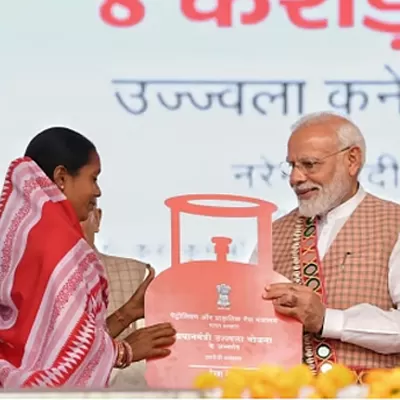
The Pradhan Mantri Ujjwala Yojana (PMUY), launched in May 2016 to provide deposit-free LPG connections to adult women from poor households, has reached over 103.3 million connections across India as of 1 July 2025.
The initial target of 80 million connections was achieved in September 2019. To reach more underserved households, Ujjwala 2.0 was launched in August 2021 with an additional target of 10 million connections, which was met by January 2022. Subsequently, the government approved 6 million more connections, completing the enhanced target of 16 million by December 2022. A further 7.5 million connections were added by July 2024.
LPG usage under PMUY is closely monitored through various platforms and interactions with oil marketing companies (OMCs). The scheme includes awareness campaigns, LPG Panchayats, and flexible options like 5 kg cylinder connections to reduce upfront costs for low-income consumers.
To ensure sustained use, the government introduced a targeted subsidy of Rs 200 per 14.2 kg cylinder in May 2022, which was increased to Rs 300 in October 2023. This brought the effective price down to Rs 553 per cylinder in Delhi. Consequently, average annual LPG consumption among PMUY users rose from 3.68 cylinders in FY 2021–22 to 4.47 in FY 2024–25.
Only 1.3 per cent of PMUY consumers have not taken any refill since their connection was installed, indicating a high adoption rate.
Independent studies indicate that PMUY has led to significant social and environmental improvements. It has enabled a transition from polluting biomass fuels to cleaner LPG, reducing indoor air pollution and respiratory issues, particularly among women and children. The scheme has also eased the burden on women in rural areas who previously spent hours collecting firewood, allowing them more time for other productive activities.
The shift to LPG has also contributed to environmental conservation by reducing deforestation and biomass usage, while better cooking facilities have encouraged healthier, more varied meals.
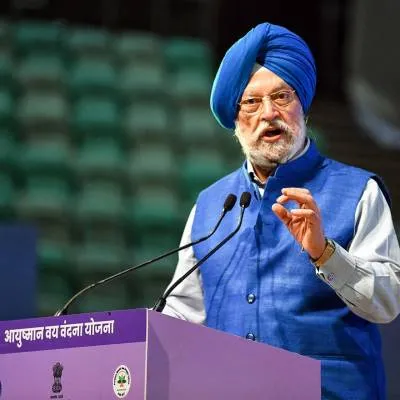
This information was provided by Minister of State for Petroleum and Natural Gas, Shri Suresh Gopi, in a written reply to the Rajya Sabha.
 

The Pradhan Mantri Ujjwala Yojana (PMUY), launched in May 2016 to provide deposit-free LPG connections to adult women from poor households, has reached over 103.3 million connections across India as of 1 July 2025.The initial target of 80 million connections was achieved in September 2019. To reach more underserved households, Ujjwala 2.0 was launched in August 2021 with an additional target of 10 million connections, which was met by January 2022. Subsequently, the government approved 6 million more connections, completing the enhanced target of 16 million by December 2022. A further 7.5 million connections were added by July 2024.LPG usage under PMUY is closely monitored through various platforms and interactions with oil marketing companies (OMCs). The scheme includes awareness campaigns, LPG Panchayats, and flexible options like 5 kg cylinder connections to reduce upfront costs for low-income consumers.To ensure sustained use, the government introduced a targeted subsidy of Rs 200 per 14.2 kg cylinder in May 2022, which was increased to Rs 300 in October 2023. This brought the effective price down to Rs 553 per cylinder in Delhi. Consequently, average annual LPG consumption among PMUY users rose from 3.68 cylinders in FY 2021–22 to 4.47 in FY 2024–25.Only 1.3 per cent of PMUY consumers have not taken any refill since their connection was installed, indicating a high adoption rate.Independent studies indicate that PMUY has led to significant social and environmental improvements. It has enabled a transition from polluting biomass fuels to cleaner LPG, reducing indoor air pollution and respiratory issues, particularly among women and children. The scheme has also eased the burden on women in rural areas who previously spent hours collecting firewood, allowing them more time for other productive activities.The shift to LPG has also contributed to environmental conservation by reducing deforestation and biomass usage, while better cooking facilities have encouraged healthier, more varied meals.This information was provided by Minister of State for Petroleum and Natural Gas, Shri Suresh Gopi, in a written reply to the Rajya Sabha. 

Related Stories

Gold Stories

Next Story
Infrastructure Transport

Tiruchi Airport Handles over 20 t of Domestic Cargo in a Month

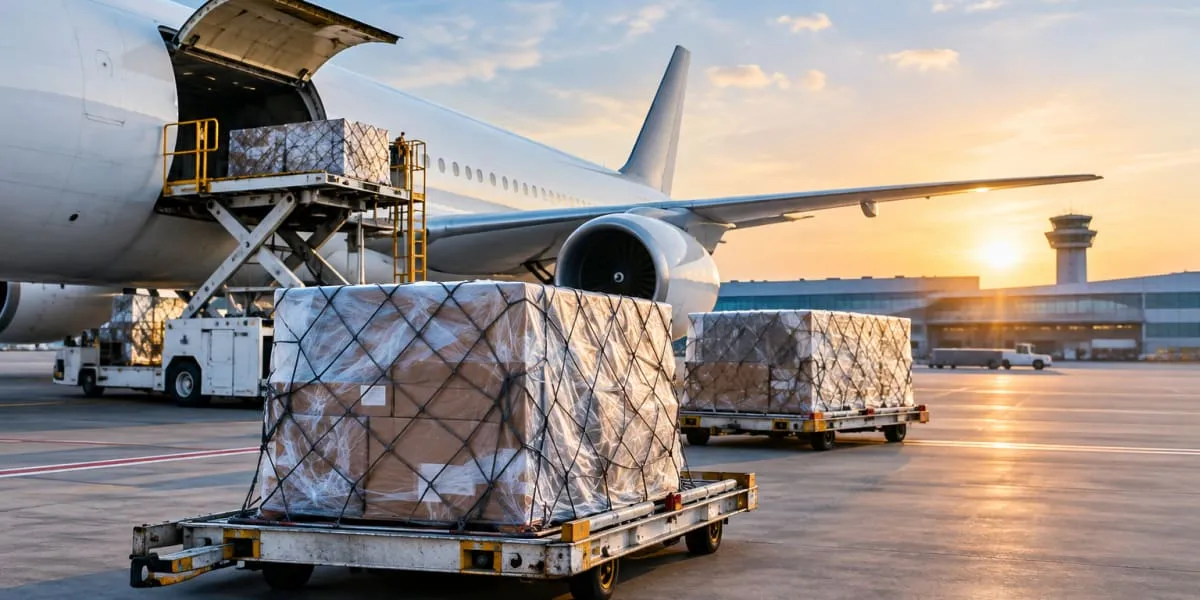
Tiruchi International Airport has handled more than 20 t of inbound and outbound domestic cargo since the facility was launched in late August. Outbound shipments have exceeded inbound volumes, with private carriers transporting goods to Chennai, Delhi, Bengaluru and Mumbai. The domestic cargo service began after the Bureau of Civil Aviation Security (BCAS), an independent department under the Ministry of Civil Aviation, granted clearance. The facility was introduced to give local businesses a faster route for sending goods to major domestic hubs, reducing their reliance on cargo routed throug..
Next Story
Infrastructure Urban

Gabriel India Forms Joint Venture with Forvia for Advanced Seating

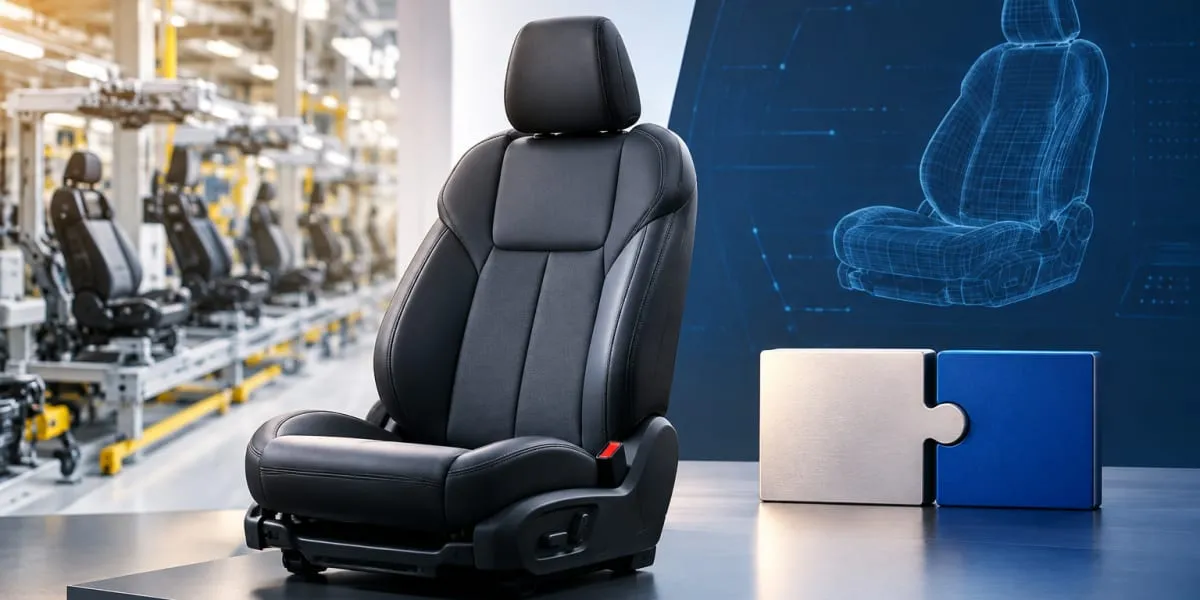
Gabriel India, part of the US$2.6 bn Anand Group, has formed a joint venture with France-based Forvia to bring advanced seating systems and technologies to the Indian automotive market. The partnership expands Gabriel India’s participation in vehicle systems as automotive architectures become more sophisticated and customer requirements evolve. The joint venture, named Faurecia Anand Seating India, combines Forvia’s global seating technology expertise with Gabriel India’s manufacturing capabilities, customer relationships and understanding of the Indian automotive market. Forvia will hol..
Next Story
Infrastructure Urban

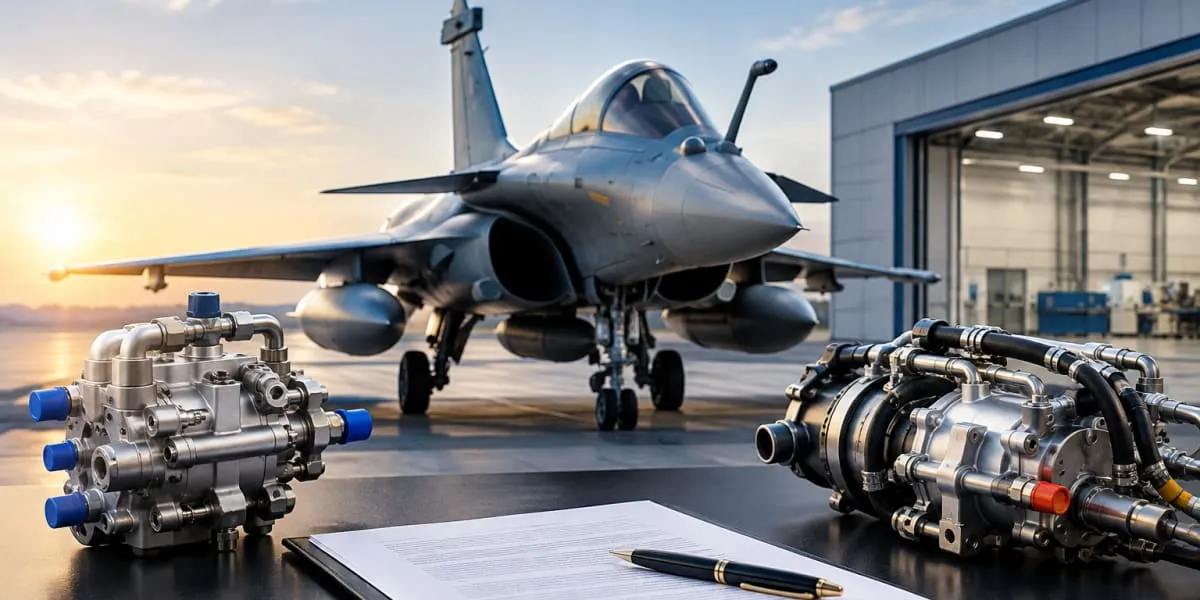
Hical Technologies, Safran to Explore Rafale Systems Joint Venture

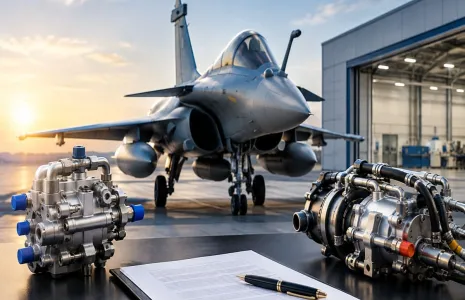
Hical Technologies has signed a Memorandum of Understanding (MoU) with Safran Aerosystems to explore establishing a joint venture for manufacturing complex systems for the Dassault Rafale programme in India. The Bengaluru-based precision electromechanical manufacturer said the proposed venture would support the production of advanced equipment for Rafale aircraft delivered under the Make in India initiative. The proposed operations would include complex fluid and fuel systems and related assemblies. The agreement is intended to expand the role of Indian industry in global aerospace and defence..

Advertisement

Subscribe to Our Newsletter

Get daily newsletters around different themes from Construction world.

STAY CONNECTED

Advertisement

SPECIAL OFFER
QR Code