
Railway Infrastructure Push Accelerates Jammu and Kashmir Connectivity
RAILWAYS & METRO RAIL

Railway Infrastructure Push Accelerates Jammu and Kashmir Connectivity

The central government has stepped up railway infrastructure development in Jammu and Kashmir, aiming to strengthen connectivity across the region. New track projects and station upgrades are being prioritised to link remote areas with principal urban centres. Authorities view the initiative as essential to improving mobility, reducing travel times and supporting local economies. Transport planners indicate phased commissioning will progressively bring services to underserved valleys and will be coordinated with local authorities to address last mile challenges.

Investment in rail is expected to facilitate greater access to markets for agricultural and artisanal producers and to enhance tourism potential in scenic districts. Enhanced freight capacity should allow easier movement of supplies and commodities, while passenger services will be calibrated to meet seasonal and local demand. Planners plan to synchronise rail works with road and air connectivity projects to maximise impact. Stakeholders anticipate improved logistics will reduce costs for small traders and enhance supply chain resilience within and beyond the region.

Officials emphasise community engagement and employment generation during construction, with training schemes to enable local labour participation. Environmental assessments are being integrated into project design to mitigate ecological effects and preserve fragile landscapes where necessary. The strategy aims to balance development with sustainability and to ensure benefits reach a broad cross section of residents. Community feedback mechanisms are expected to inform adjustments during delivery and to uphold local priorities including access to services and cultural heritage safeguards.

Prioritising rail connectivity in Jammu and Kashmir is presented as a long-term endeavour that could foster economic diversification and social cohesion. The emphasis on reliable links is expected to open new opportunities for investment and public service delivery across remote municipalities. Continued monitoring and phased implementation are likely to shape the pace of outcomes as projects advance. Timely coordination across agencies is cited as crucial to translating infrastructure investment into measurable improvements in livelihoods and to ensure continuity of operations during adverse weather conditions.

The central government has stepped up railway infrastructure development in Jammu and Kashmir, aiming to strengthen connectivity across the region. New track projects and station upgrades are being prioritised to link remote areas with principal urban centres. Authorities view the initiative as essential to improving mobility, reducing travel times and supporting local economies. Transport planners indicate phased commissioning will progressively bring services to underserved valleys and will be coordinated with local authorities to address last mile challenges. Investment in rail is expected to facilitate greater access to markets for agricultural and artisanal producers and to enhance tourism potential in scenic districts. Enhanced freight capacity should allow easier movement of supplies and commodities, while passenger services will be calibrated to meet seasonal and local demand. Planners plan to synchronise rail works with road and air connectivity projects to maximise impact. Stakeholders anticipate improved logistics will reduce costs for small traders and enhance supply chain resilience within and beyond the region. Officials emphasise community engagement and employment generation during construction, with training schemes to enable local labour participation. Environmental assessments are being integrated into project design to mitigate ecological effects and preserve fragile landscapes where necessary. The strategy aims to balance development with sustainability and to ensure benefits reach a broad cross section of residents. Community feedback mechanisms are expected to inform adjustments during delivery and to uphold local priorities including access to services and cultural heritage safeguards. Prioritising rail connectivity in Jammu and Kashmir is presented as a long-term endeavour that could foster economic diversification and social cohesion. The emphasis on reliable links is expected to open new opportunities for investment and public service delivery across remote municipalities. Continued monitoring and phased implementation are likely to shape the pace of outcomes as projects advance. Timely coordination across agencies is cited as crucial to translating infrastructure investment into measurable improvements in livelihoods and to ensure continuity of operations during adverse weather conditions.

Next Story
Real Estate

Loomcraft Enters South India with Kerala Store Launch

Loomcraft has launched its exclusive store in Kerala, marking its entry into South India and a key step in its nationwide expansion strategy. The move targets a region driven by tourism and premium real estate demand, where outdoor spaces play a central role in hospitality and residential experiences.Kerala’s growing base of luxury resorts, boutique hotels, villas and gated communities has created strong demand for specialised outdoor furniture. However, the region has remained underserved, with buyers relying on imports or generic products not suited to humid, coastal and monsoon-heavy cond..

Next Story
Building Material

Mild Steel Prices Seen Rising to Rs 61,000 Per Tonne

Mild steel prices in India, currently around Rs 58,000 per tonne, are expected to rise to nearly Rs 61,000 per tonne in April, indicating an increase of about Rs 3,000 per tonne. The anticipated rise reflects structural pressures driven by geopolitical tensions, energy constraints and limited raw material availability.Ongoing global conflict has disrupted energy markets, leading to LNG shortages that are affecting domestic steel production. Small and mid-sized manufacturers, particularly those dependent on gas-based processes, are witnessing production cuts due to constrained energy supply, re..
Next Story
Infrastructure Urban

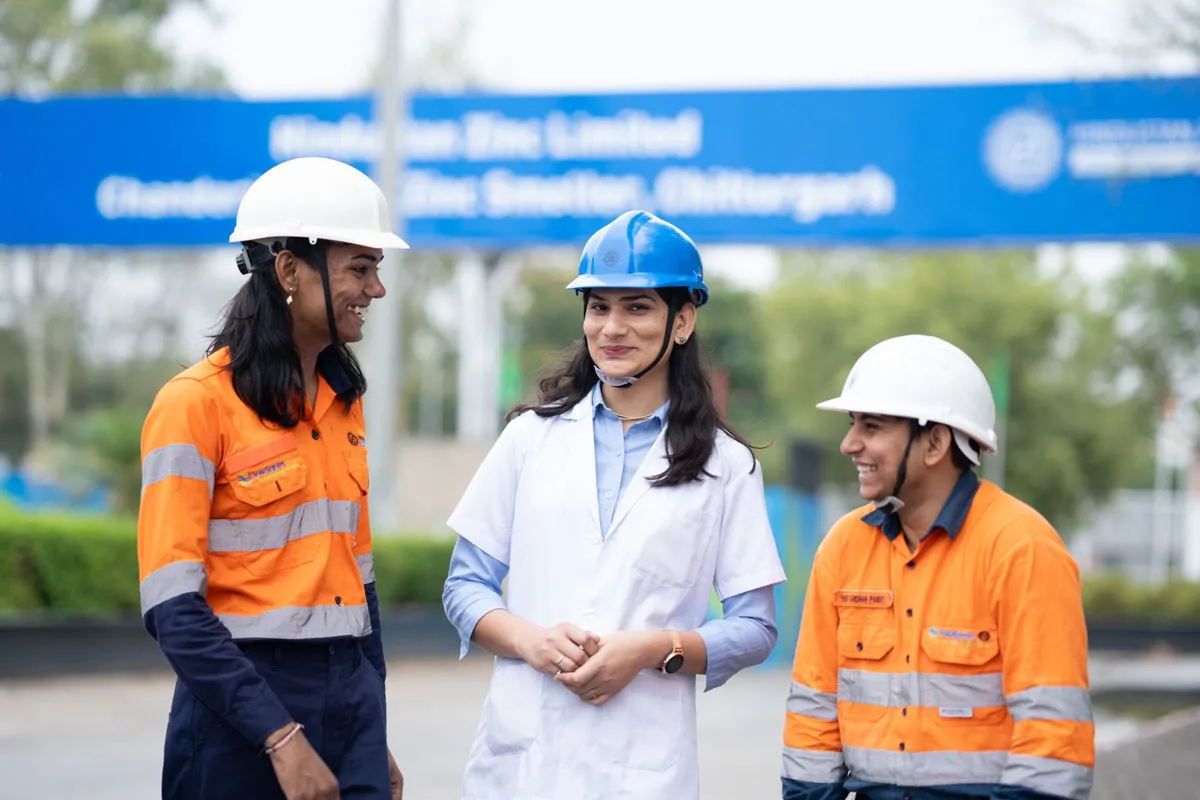
Vedanta Expands Transgender Workforce to 75 Employees

Vedanta has strengthened its commitment to workplace inclusion by employing 75 transgender individuals across its businesses, including Vedanta Aluminium, Hindustan Zinc, Sesa Goa, FACOR and Cairn Oil & Gas. The initiative reflects sustained hiring efforts since 2022 to build equitable opportunities across operations, corporate and technical roles.Transgender employees are engaged in functions such as operations, finance, logistics, HR, CSR, healthcare and security, with provisions for internal mobility to support career progression. The company has implemented structured policies, includi..

Advertisement

Subscribe to Our Newsletter

Get daily newsletters around different themes from Construction world.

STAY CONNECTED

Advertisement

Advertisement

Advertisement