
Rajasthan State Gas Explores LNG And EV Opportunities
OIL & GAS

Rajasthan State Gas Explores LNG And EV Opportunities

Rajasthan State Gas (RSG) is evaluating strategic opportunities in liquefied natural gas and electric vehicle sectors as part of a broader move towards cleaner fuels and mobility solutions. The company is examining market demand, infrastructure gaps and regulatory frameworks to determine viable investment pathways. Liquefied natural gas and electric vehicle technologies are being assessed for their ability to reduce emissions and support energy security. The assessment will consider cost trajectories, supply chain logistics and likely timelines for technology adoption.

RSG is considering development of LNG supply chains, small scale regasification facilities and last mile distribution that could serve industrial and transport customers. Concurrently the company is studying options to support electric vehicle adoption through charging infrastructure deployment, fleet conversion services and partnerships with vehicle manufacturers and fleet operators. The approach emphasises phased implementation to align capital expenditure with demand growth. Stakeholder engagement is planned to gather industry feedback and refine technical requirements before committing resources.

The company intends to engage with state and central regulators and potential private partners to clarify policy incentives and access funding mechanisms. Financial planning will prioritise projects with clear commercial viability while allowing scope for pilot projects to test technical and operational assumptions. Attention will be given to operational safety, fuel quality standards and interoperability of charging solutions. Risk assessments and compliance reviews will form part of the preparatory work to ensure regulatory alignment.

If pursued at scale, the initiatives could contribute to reduced carbon intensity of transport, greater fuel choice for consumers and enhanced resilience of fuel supply chains. Job creation in construction, operations and maintenance and opportunities for local suppliers are anticipated as project timelines advance. Next steps include feasibility studies, stakeholder consultations and detailed project designs ahead of implementation. Timelines will be calibrated to match market absorption and to allow for scaling of successful pilots across regions.

Rajasthan State Gas (RSG) is evaluating strategic opportunities in liquefied natural gas and electric vehicle sectors as part of a broader move towards cleaner fuels and mobility solutions. The company is examining market demand, infrastructure gaps and regulatory frameworks to determine viable investment pathways. Liquefied natural gas and electric vehicle technologies are being assessed for their ability to reduce emissions and support energy security. The assessment will consider cost trajectories, supply chain logistics and likely timelines for technology adoption. RSG is considering development of LNG supply chains, small scale regasification facilities and last mile distribution that could serve industrial and transport customers. Concurrently the company is studying options to support electric vehicle adoption through charging infrastructure deployment, fleet conversion services and partnerships with vehicle manufacturers and fleet operators. The approach emphasises phased implementation to align capital expenditure with demand growth. Stakeholder engagement is planned to gather industry feedback and refine technical requirements before committing resources. The company intends to engage with state and central regulators and potential private partners to clarify policy incentives and access funding mechanisms. Financial planning will prioritise projects with clear commercial viability while allowing scope for pilot projects to test technical and operational assumptions. Attention will be given to operational safety, fuel quality standards and interoperability of charging solutions. Risk assessments and compliance reviews will form part of the preparatory work to ensure regulatory alignment. If pursued at scale, the initiatives could contribute to reduced carbon intensity of transport, greater fuel choice for consumers and enhanced resilience of fuel supply chains. Job creation in construction, operations and maintenance and opportunities for local suppliers are anticipated as project timelines advance. Next steps include feasibility studies, stakeholder consultations and detailed project designs ahead of implementation. Timelines will be calibrated to match market absorption and to allow for scaling of successful pilots across regions.

Next Story
Real Estate

Loomcraft Enters South India with Kerala Store Launch

Loomcraft has launched its exclusive store in Kerala, marking its entry into South India and a key step in its nationwide expansion strategy. The move targets a region driven by tourism and premium real estate demand, where outdoor spaces play a central role in hospitality and residential experiences.Kerala’s growing base of luxury resorts, boutique hotels, villas and gated communities has created strong demand for specialised outdoor furniture. However, the region has remained underserved, with buyers relying on imports or generic products not suited to humid, coastal and monsoon-heavy cond..

Next Story
Building Material

Mild Steel Prices Seen Rising to Rs 61,000 Per Tonne

Mild steel prices in India, currently around Rs 58,000 per tonne, are expected to rise to nearly Rs 61,000 per tonne in April, indicating an increase of about Rs 3,000 per tonne. The anticipated rise reflects structural pressures driven by geopolitical tensions, energy constraints and limited raw material availability.Ongoing global conflict has disrupted energy markets, leading to LNG shortages that are affecting domestic steel production. Small and mid-sized manufacturers, particularly those dependent on gas-based processes, are witnessing production cuts due to constrained energy supply, re..
Next Story
Infrastructure Urban

Vedanta Expands Transgender Workforce to 75 Employees

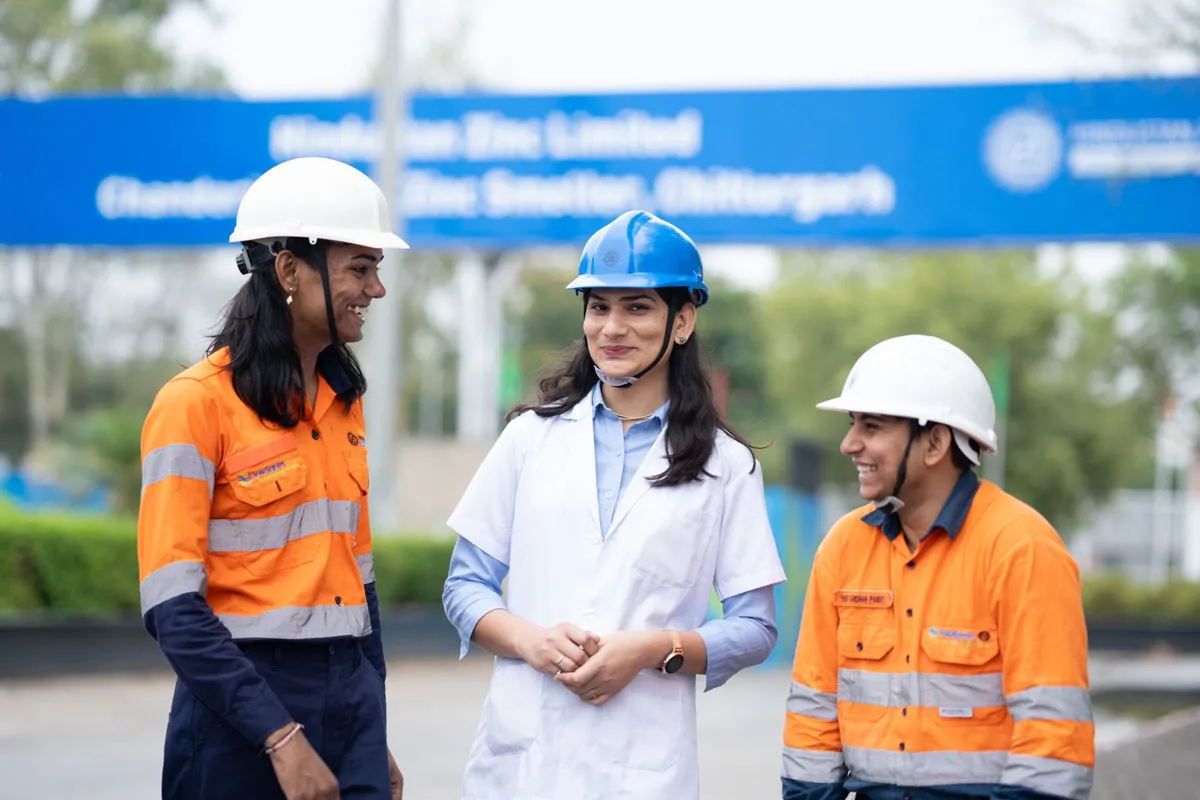
Vedanta has strengthened its commitment to workplace inclusion by employing 75 transgender individuals across its businesses, including Vedanta Aluminium, Hindustan Zinc, Sesa Goa, FACOR and Cairn Oil & Gas. The initiative reflects sustained hiring efforts since 2022 to build equitable opportunities across operations, corporate and technical roles.Transgender employees are engaged in functions such as operations, finance, logistics, HR, CSR, healthcare and security, with provisions for internal mobility to support career progression. The company has implemented structured policies, includi..

Advertisement

Subscribe to Our Newsletter

Get daily newsletters around different themes from Construction world.

STAY CONNECTED

Advertisement

Advertisement

Advertisement