


+
RBI Builds High-Security Data Centre In Odisha
ECONOMY & POLICY

RBI Builds High-Security Data Centre In Odisha

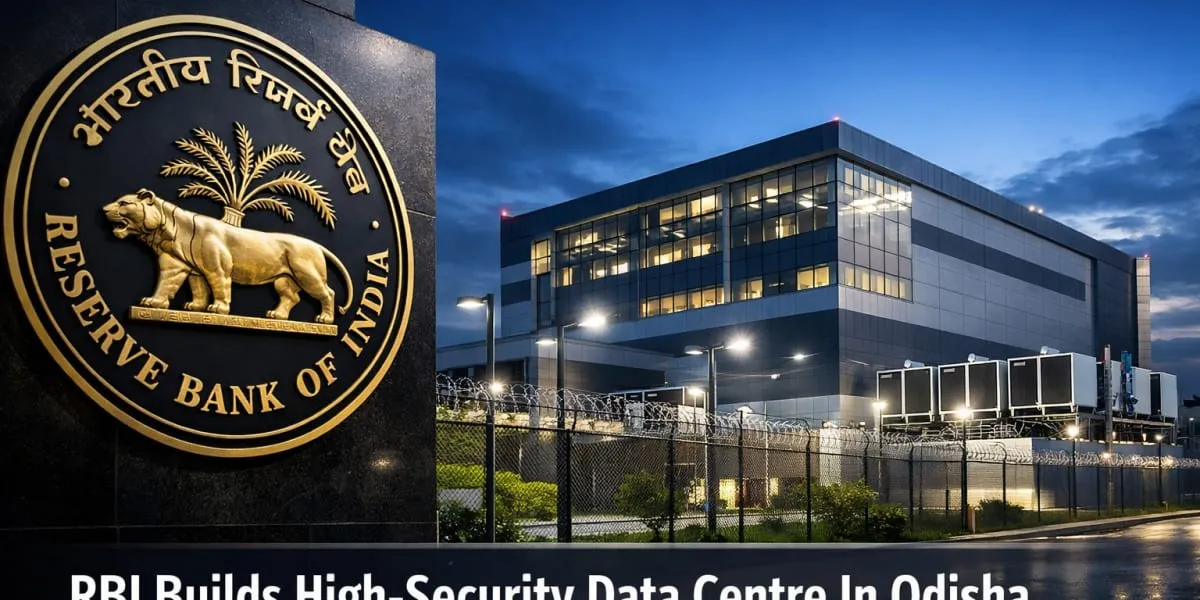
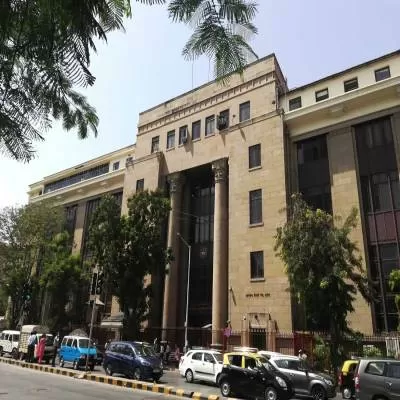
The Reserve Bank of India (RBI) has built a high-security data centre in Bhubaneswar, Odisha, located on an 18.55-acre campus at Info Valley-II in Khordha. The greenfield facility is intended to house core computing systems that support currency management, payment and settlement operations and regulatory data functions, according to analysts and officials. The site was chosen to strengthen continuity of core systems by reducing exposure to cross-border threats and seismic risks.

This is the central bank's second data centre, with the primary data centre located in Kharghar, Navi Mumbai. By situating the facility away from Mumbai and Chennai, which host a large share of the country's data centres, the RBI has reduced reliance on dense digital traffic corridors and subsea cable landing points. Analysts noted that the choice may help insulate critical systems from concentrated cyber risks and network vulnerabilities. The central bank did not provide comment when approached.

Industry officials said the principal driver is the safety of financial data, now treated as critical national infrastructure, alongside the need to guard against cyberattacks, vendor lock-in and operational disruptions. For central banks, direct control over infrastructure enables stricter enforcement of security protocols, redundancy planning and regulatory compliance. With digital transactions and real-time payment systems expanding rapidly, authorities are treating secure data infrastructure as a cornerstone of financial stability.

The facility has been designed with high redundancy, resilience and system availability, incorporating fault tolerance and achieving Tier IV certification for its design, according to the central bank. Analysts highlighted that Odisha offers abundant land, water and power and lies largely in lower seismic risk zones compared with the Himalayan belt, reducing vulnerability to high-intensity earthquakes. The RBI is also launching a pilot cloud facility in 2025 with data centres in Mumbai and Hyderabad as part of a broader policy emphasis on institutional control over mission-critical systems to minimise exposure to external threats and ensure uninterrupted functioning of the financial backbone.

The Reserve Bank of India (RBI) has built a high-security data centre in Bhubaneswar, Odisha, located on an 18.55-acre campus at Info Valley-II in Khordha. The greenfield facility is intended to house core computing systems that support currency management, payment and settlement operations and regulatory data functions, according to analysts and officials. The site was chosen to strengthen continuity of core systems by reducing exposure to cross-border threats and seismic risks. This is the central bank's second data centre, with the primary data centre located in Kharghar, Navi Mumbai. By situating the facility away from Mumbai and Chennai, which host a large share of the country's data centres, the RBI has reduced reliance on dense digital traffic corridors and subsea cable landing points. Analysts noted that the choice may help insulate critical systems from concentrated cyber risks and network vulnerabilities. The central bank did not provide comment when approached. Industry officials said the principal driver is the safety of financial data, now treated as critical national infrastructure, alongside the need to guard against cyberattacks, vendor lock-in and operational disruptions. For central banks, direct control over infrastructure enables stricter enforcement of security protocols, redundancy planning and regulatory compliance. With digital transactions and real-time payment systems expanding rapidly, authorities are treating secure data infrastructure as a cornerstone of financial stability. The facility has been designed with high redundancy, resilience and system availability, incorporating fault tolerance and achieving Tier IV certification for its design, according to the central bank. Analysts highlighted that Odisha offers abundant land, water and power and lies largely in lower seismic risk zones compared with the Himalayan belt, reducing vulnerability to high-intensity earthquakes. The RBI is also launching a pilot cloud facility in 2025 with data centres in Mumbai and Hyderabad as part of a broader policy emphasis on institutional control over mission-critical systems to minimise exposure to external threats and ensure uninterrupted functioning of the financial backbone.

Next Story
Equipment

Kabelschlepp India Installs Robotic VMC in Bengaluru

Kabelschlepp India, part of the Tsubaki Group, has installed a state-of-the-art Vertical Machining Center (VMC) integrated with robotic automation at its Bengaluru facility. The inauguration was held in the presence of Henning Preis, President & CEO, Kabelschlepp Group, Jörg Schulz, Vice President – Production, and Srinivas P. Kamisetty, Managing Director, Kabelschlepp India.The high-precision CNC VMC is designed for advanced milling, drilling, tapping and multi-axis machining. Equipped with a vertical spindle orientation, automatic tool changer and intelligent CNC control system, it en..

Next Story
Infrastructure Transport

Highway Delivery Reset!

Project delays and inefficiencies continue to bedevil the progress of India’s National Highways network. A multi-pronged reform agenda is needed to inject greater transparency and accountability at every stage – from planning and procurement to execution, maintenance and oversight. This article offers key recommendations and reform strategies that government stakeholders – from the Ministry of Road Transport & Highways (MoRTH) and the National Highways Authority of India (NHAI) to state agencies and oversight bodies – should pursue to put highway development on a better track.Decen..

Next Story
Infrastructure Transport

MSIDC Executes ₹37,000 Crore Road Programme

With Rs 37,000 crore worth of road projects under execution across Maharashtra, Maharashtra State Infrastructure Development Corporation (MSIDC) is driving one of the state’s largest infrastructure programmes. Dr Brijesh Dixit, Managing Director, discusses the institutional reforms, execution frameworks, financing strategies and technology adoption enabling timely, high-quality delivery, in conversation with PRATAP PADODE, Editor-in-Chief, CW.With over Rs 37,000 crore worth of road projects underway across districts – many under tight timelines – what institutional and executio..

Advertisement

Subscribe to Our Newsletter

Get daily newsletters around different themes from Construction world.

STAY CONNECTED

Advertisement

Advertisement

Advertisement

Open In App