RBI Governor Flags Rising Interconnectivity in Banking NBFCs
ECONOMY & POLICY

RBI Governor Flags Rising Interconnectivity in Banking NBFCs

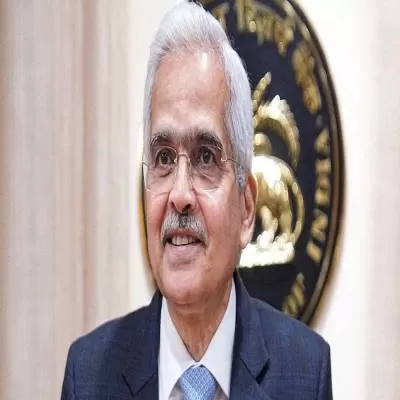
Reserve Bank of India (RBI) Governor Shaktikanta Das has raised concerns over the increasing interconnectivity between banks and Non-Banking Financial Companies (NBFCs). The acknowledgement of this growing trend underscores the need for regulatory attention and risk management in the financial sector.

Governor Das's remarks draw attention to the intricate relationships between traditional banks and NBFCs, emphasising the potential implications for financial stability. As interconnectivity rises, there is a heightened importance for robust regulatory frameworks and proactive measures to mitigate systemic risks.

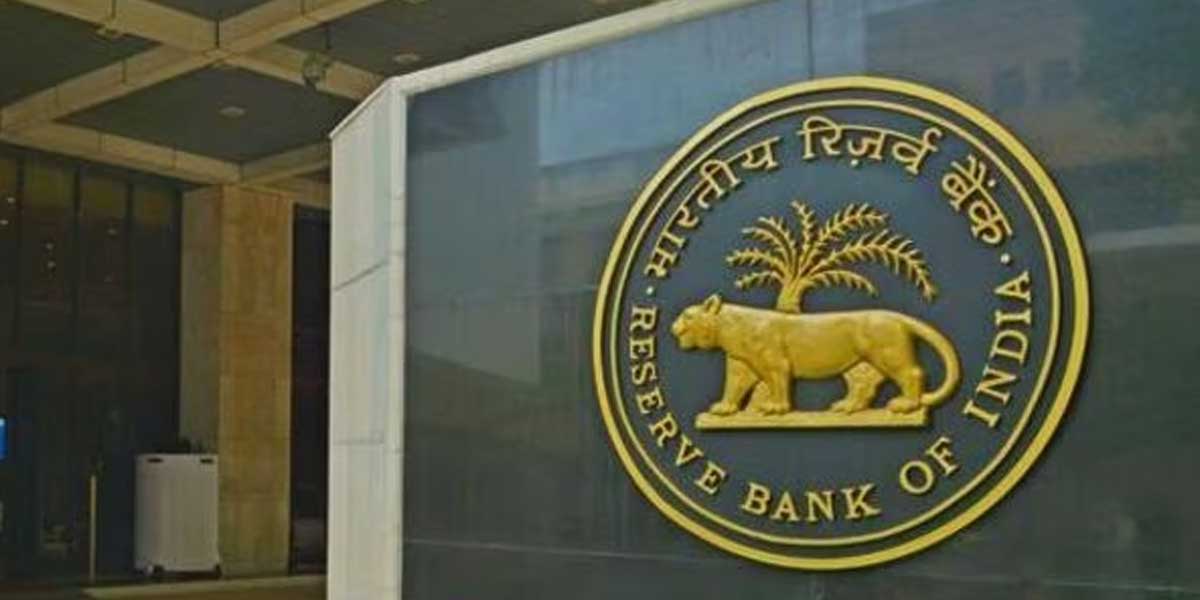
The RBI's focus on the evolving dynamics between banks and NBFCs aligns with the central bank's commitment to maintaining a resilient and stable financial system. Governor Das's cautionary note indicates the need for continuous monitoring and adaptation of regulatory policies to address emerging challenges in the financial landscape.

The increasing interconnectivity in the banking-NBFC space reflects the evolving nature of financial services and the interconnectedness of various players in the sector. The RBI's proactive stance in acknowledging and addressing these trends demonstrates a commitment to safeguarding the integrity and stability of India's financial system.

Reserve Bank of India (RBI) Governor Shaktikanta Das has raised concerns over the increasing interconnectivity between banks and Non-Banking Financial Companies (NBFCs). The acknowledgement of this growing trend underscores the need for regulatory attention and risk management in the financial sector. Governor Das's remarks draw attention to the intricate relationships between traditional banks and NBFCs, emphasising the potential implications for financial stability. As interconnectivity rises, there is a heightened importance for robust regulatory frameworks and proactive measures to mitigate systemic risks. The RBI's focus on the evolving dynamics between banks and NBFCs aligns with the central bank's commitment to maintaining a resilient and stable financial system. Governor Das's cautionary note indicates the need for continuous monitoring and adaptation of regulatory policies to address emerging challenges in the financial landscape. The increasing interconnectivity in the banking-NBFC space reflects the evolving nature of financial services and the interconnectedness of various players in the sector. The RBI's proactive stance in acknowledging and addressing these trends demonstrates a commitment to safeguarding the integrity and stability of India's financial system.

Next Story
Infrastructure Urban

Implementation Status of Jal Jeevan Mission

Since August 2019 the Government has implemented Jal Jeevan Mission to provide assured potable water through household tap connections in rural India. At the start of the mission only 32.3 million (mn) rural households, representing 16.7 per cent, were reported to have tap water connections. States and union territories have reported that 125.8 mn additional rural households have since been provided with tap connections. As a result, of about 193.6 mn rural households roughly 158.2 mn, or 81.71 per cent, are reported to have tap water supply at home.\n\nThe State, district and village level st..

Next Story
Infrastructure Urban

Jal Jeevan Mission Reaches Eighty One Per Cent Rural Coverage

The Government reported substantial progress under the Jal Jeevan Mission, launched in August 2019 to provide tap water to every rural household. At launch only 32.3 million (mn) rural households had tap connections and states and Union territories reported provision of 125.8 mn additional households by March 2026. Consequently, out of about 193.6 mn rural households around 158.2 mn, or 81.71 per cent, are reported to have tap water at home. The Finance Minister announced extension of the mission until 2028 in the 2025-26 budget speech. The Swachh Bharat Mission Grameen, launched in October 20..

Next Story
Infrastructure Urban

Empowering Local Governance for Sustainable Rural Water Supply

The Ministry of Jal Shakti has aligned the Jal Jeevan Mission (JJM) with the 73rd Amendment to strengthen village level planning and community ownership of water supply. Gram Panchayats, village water and sanitation committees and Pani Samitis are to plan, implement, manage and maintain piped water systems, with gram sabha processes formalising handover and oversight. Implementation support agencies including non government organisations, community based organisations and self help groups have been empanelled to train local committees and promote women participation. Under JJM, the department ..

Advertisement

Subscribe to Our Newsletter

Get daily newsletters around different themes from Construction world.

STAY CONNECTED

Advertisement

Advertisement

Advertisement