Reliance Begins $7.8 Billion CBG Push in Andhra Pradesh
ECONOMY & POLICY

Reliance Begins $7.8 Billion CBG Push in Andhra Pradesh

Reliance Industries has commenced its ambitious $7.8 billion (Rs 65,000 crore) investment in compressed bio-gas (CBG) hubs across Andhra Pradesh. On Wednesday, the company laid the foundation stone for its first integrated CBG plant in Kanigiri's Divakarapalli village. The plant, developed by Reliance New Energy, will span 475 acres and entail an investment of $16.6 million, with a production capacity of 100 tonnes of bio-gas.

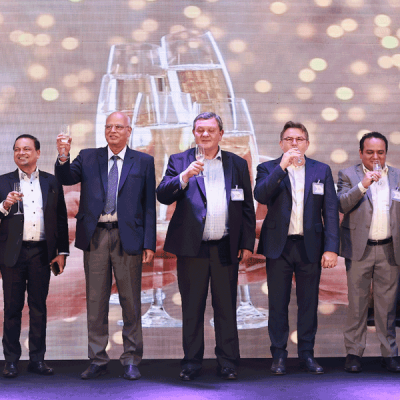
Minister Nara Lokesh led the ground-breaking ceremony, marking the first step toward Reliance’s vision of establishing 500 CBG plants in the state. The initiative is expected to generate 250,000 jobs and uplift the rural economy by utilizing barren lands for Napier grass cultivation, ensuring steady lease payments and fixed income for farmers.

The company plans to use 500,000 acres of barren land across Prakasam, Anantapur, Chittoor, and Kadapa districts for bio-gas production. Once fully operational, these plants will produce 4 million tonnes of clean CBG and 1.1 million metric tonnes of organic fertilizer annually.

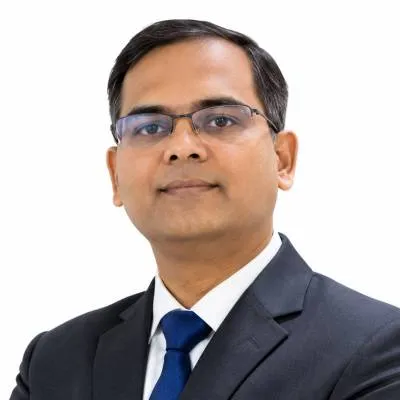
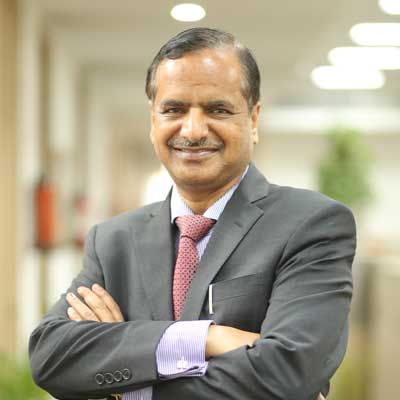
Reliance Executive Director P M S Prasad emphasized the project’s transformative impact: “This is more than energy production; it’s about empowering communities and enhancing Andhra Pradesh’s green energy vision. By converting waste into wealth, we aim to support farmers and reduce chemical fertilizer dependency.”

Minister Lokesh reaffirmed the state’s commitment to facilitating Reliance’s investment, highlighting the company’s longstanding role as a trusted investor in Andhra Pradesh. “This is the first of many CBG plants, and we are thrilled to support Reliance in realizing its sustainable energy ambitions,” he stated.

With this pioneering initiative, Reliance is set to redefine India’s renewable energy landscape, turning vast stretches of underutilized land into hubs of economic and environmental progress.

Reliance Industries has commenced its ambitious $7.8 billion (Rs 65,000 crore) investment in compressed bio-gas (CBG) hubs across Andhra Pradesh. On Wednesday, the company laid the foundation stone for its first integrated CBG plant in Kanigiri's Divakarapalli village. The plant, developed by Reliance New Energy, will span 475 acres and entail an investment of $16.6 million, with a production capacity of 100 tonnes of bio-gas. Minister Nara Lokesh led the ground-breaking ceremony, marking the first step toward Reliance’s vision of establishing 500 CBG plants in the state. The initiative is expected to generate 250,000 jobs and uplift the rural economy by utilizing barren lands for Napier grass cultivation, ensuring steady lease payments and fixed income for farmers. The company plans to use 500,000 acres of barren land across Prakasam, Anantapur, Chittoor, and Kadapa districts for bio-gas production. Once fully operational, these plants will produce 4 million tonnes of clean CBG and 1.1 million metric tonnes of organic fertilizer annually. Reliance Executive Director P M S Prasad emphasized the project’s transformative impact: “This is more than energy production; it’s about empowering communities and enhancing Andhra Pradesh’s green energy vision. By converting waste into wealth, we aim to support farmers and reduce chemical fertilizer dependency.” Minister Lokesh reaffirmed the state’s commitment to facilitating Reliance’s investment, highlighting the company’s longstanding role as a trusted investor in Andhra Pradesh. “This is the first of many CBG plants, and we are thrilled to support Reliance in realizing its sustainable energy ambitions,” he stated. With this pioneering initiative, Reliance is set to redefine India’s renewable energy landscape, turning vast stretches of underutilized land into hubs of economic and environmental progress.

Next Story
Infrastructure Transport

Large Format Store Planned At M G Road Metro Station

M G Road station in Bengaluru is set to host the city’s first large-format commercial and experience space, with planning led by Bangalore Metro Rail Corporation Limited. BMRCL has invited proposals to develop and operate a central business district destination at the Purple?Pink Line interchange. The plan positions the station as a commercial hub designed to serve a broad commuter base across the city. The proposal is part of a broader effort to activate transit nodes commercially. Tender documents set a minimum monthly rental of Rs 0.944 million (mn), inclusive of GST, for the large-format..

Next Story
Infrastructure Energy

Government Cancels Auction Of Eleven Critical Mineral Blocks

The government has cancelled the auction of 11 critical and strategic mineral blocks after receiving a poor investor response and failing to attract a sufficient number of qualified bidders. The decision represents a setback to plans to ramp up domestic exploration and production of critical minerals amid global supply chain disruptions and rising demand for materials used in clean energy and advanced technologies. The mines ministry issued an annulment notice setting out the reasons for the cancellations. The annulment notice indicated that the auction process for five mineral blocks was canc..

Next Story
Infrastructure Energy

Gujarat Pushes Biogas Growth With 193 Operational Units

Gujarat has operationalised 193 biogas plants across the state and is planning to add 60 more units as part of a broader push to scale up clean and sustainable energy solutions. The existing plants, established under various government-supported schemes, process organic waste including cattle dung and agricultural residue to produce biogas and a nutrient-rich slurry. The output is mainly used for cooking and other energy needs in rural and semi-urban communities, while also improving local waste management practices. The Gujarat Energy Development Agency (GEDA) is leading the initiative and is..

Advertisement

Subscribe to Our Newsletter

Get daily newsletters around different themes from Construction world.

STAY CONNECTED

Advertisement

Advertisement

Advertisement