+
Retail Leasing Slips in Q3 as Grade a Mall Vacancy Falls Below 5%
ECONOMY & POLICY

Retail Leasing Slips in Q3 as Grade a Mall Vacancy Falls Below 5%

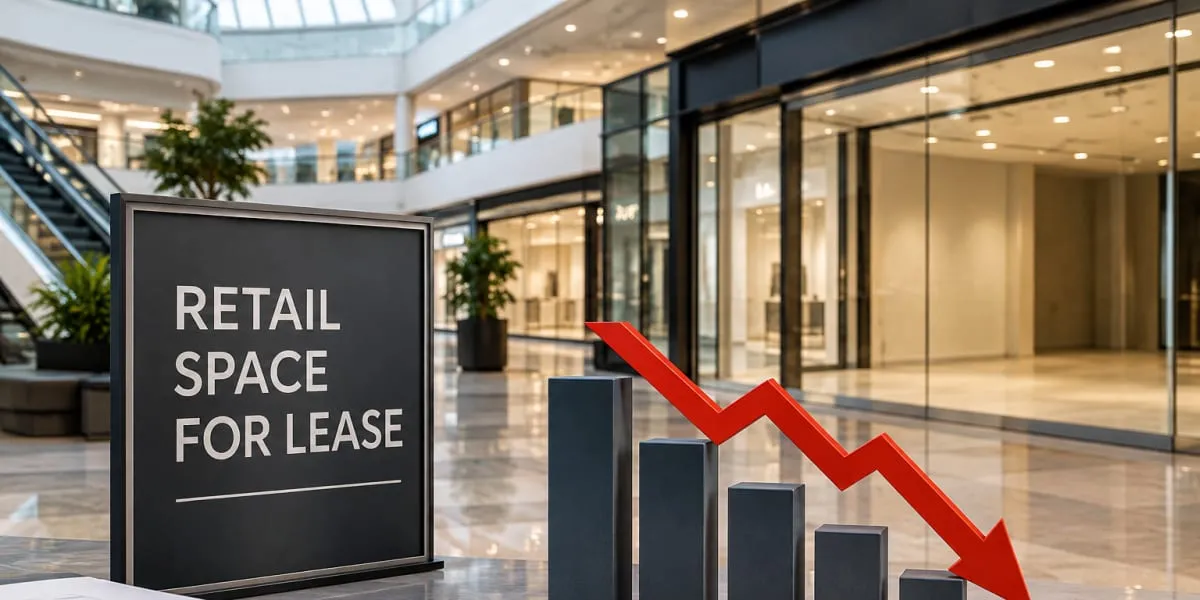
India’s retail real estate market recorded gross leasing volume of 2.22 MSF across the top eight cities in Q3 2026, according to Cushman & Wakefield’s Q3 Retail MarketBeat Report. Leasing declined 7.3 per cent quarter on quarter and 4.4 per cent year on year, although retailer demand remained broadly sustained. Year-to-date leasing reached 6.57 MSF, up 0.4 per cent year on year, while no new Grade A mall supply entered the market for the third consecutive quarter.

Main streets accounted for 67.9 per cent of Q3 leasing, at 1.51 MSF, with volumes rising 29.3 per cent quarter on quarter and 33.1 per cent year on year. Mall leasing stood at 0.71 MSF, or 32.1 per cent of total activity, after declining 42.1 per cent quarter on quarter and 37.8 per cent year on year. Domestic retailers contributed 86.3 per cent of leasing, while international retailers accounted for the balance.

Delhi NCR led city-level activity with 0.55 MSF, followed by Hyderabad at 0.45 MSF and Mumbai at 0.35 MSF. Together, the three markets accounted for 61 per cent of quarterly leasing. Hyderabad increased 22 per cent quarter on quarter and 18.3 per cent year on year, while Delhi NCR and Mumbai recorded declines on a quarterly basis.

Fashion was the largest demand driver, accounting for 24.9 per cent of leasing, followed by food and beverage at 19.2 per cent and accessories and lifestyle at 13.1 per cent. Grade A mall vacancy fell 20 basis points quarter on quarter to 4.8 per cent from 5 per cent, while prime high-street rents increased an average 2.1 per cent quarter on quarter and 6.8 per cent year on year.

The report projects around 12.7 MSF of Grade A mall supply through 2028, including 1.35 MSF in 2026. Delhi NCR is expected to lead the pipeline, followed by Bengaluru and Chennai. Cushman & Wakefield said the additional stock could expand retailers’ options, although location, quality, accessibility and differentiated consumer experiences would remain important in determining demand.

India’s retail real estate market recorded gross leasing volume of 2.22 MSF across the top eight cities in Q3 2026, according to Cushman & Wakefield’s Q3 Retail MarketBeat Report. Leasing declined 7.3 per cent quarter on quarter and 4.4 per cent year on year, although retailer demand remained broadly sustained. Year-to-date leasing reached 6.57 MSF, up 0.4 per cent year on year, while no new Grade A mall supply entered the market for the third consecutive quarter. Main streets accounted for 67.9 per cent of Q3 leasing, at 1.51 MSF, with volumes rising 29.3 per cent quarter on quarter and 33.1 per cent year on year. Mall leasing stood at 0.71 MSF, or 32.1 per cent of total activity, after declining 42.1 per cent quarter on quarter and 37.8 per cent year on year. Domestic retailers contributed 86.3 per cent of leasing, while international retailers accounted for the balance. Delhi NCR led city-level activity with 0.55 MSF, followed by Hyderabad at 0.45 MSF and Mumbai at 0.35 MSF. Together, the three markets accounted for 61 per cent of quarterly leasing. Hyderabad increased 22 per cent quarter on quarter and 18.3 per cent year on year, while Delhi NCR and Mumbai recorded declines on a quarterly basis. Fashion was the largest demand driver, accounting for 24.9 per cent of leasing, followed by food and beverage at 19.2 per cent and accessories and lifestyle at 13.1 per cent. Grade A mall vacancy fell 20 basis points quarter on quarter to 4.8 per cent from 5 per cent, while prime high-street rents increased an average 2.1 per cent quarter on quarter and 6.8 per cent year on year. The report projects around 12.7 MSF of Grade A mall supply through 2028, including 1.35 MSF in 2026. Delhi NCR is expected to lead the pipeline, followed by Bengaluru and Chennai. Cushman & Wakefield said the additional stock could expand retailers’ options, although location, quality, accessibility and differentiated consumer experiences would remain important in determining demand.

Related Stories

Gold Stories

Next Story
Real Estate

The Energy-Smart Buildings

Passive design is an integral part of energy-efficient architecture. Sophisticated building systems also contribute to this end. But what role do materials play in enhancing a building’s energy-efficiency?“Material selection is one of the earliest opportunities to influence how a building performs,” says Tejbeer Singh, Principal Architect & Founder, Expressionist by Tejbeer Singh. “The objective is not simply to select materials that look appropriate but to understand how they behave within the climate and construction system.”To read the full story Click Here ..
Next Story
Infrastructure Transport

Chandigarh Station: Rebuilt in Motion

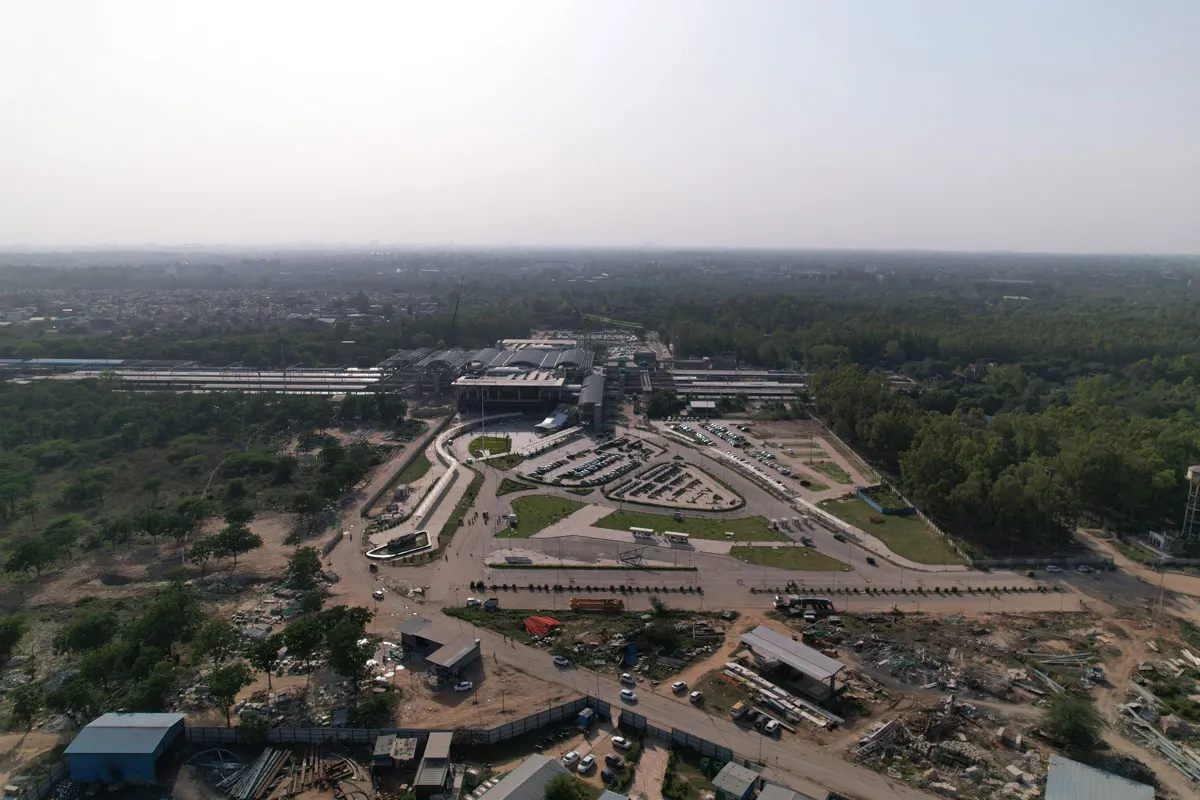
1. REDEVELOPMENT MOVES TO SITERLDA awarded the ₹462-crore EPC package to Ahluwalia Contracts (India) in November 2022, taking the Chandigarh station upgrade from planning to execution. Construction commenced on 11 January 2023, beginning a large-scale transformation of the operational rail hub while train services and passenger movement continued through the site. ..To read the full article Click Here ..

Next Story
Technology

Bentley Systems announces 2026 Year in Infrastructure winners

Bentley Systems has announced the winners of its 2026 Year in Infrastructure Awards, recognising projects that use digital technologies and Bentley software across the infrastructure lifecycle. The awards were presented during the Bentley Systems 2026 Year in Infrastructure Event, held in Singapore on October 6 and 7.More than 300 projects from organisations in 53 countries were nominated this year. Winners were selected across 12 categories by an independent judging panel.The 2026 winners included AYESA Engineering’s Porto Metro 3.0 project in the Bridges and Tunnels category; Pinnacle Futu..

Advertisement

Subscribe to Our Newsletter

Get daily newsletters around different themes from Construction world.

STAY CONNECTED

Advertisement

SPECIAL OFFER
QR Code