+
SAEL secures $1 bn funding boost for solar, waste-to-energy expansion
POWER & RENEWABLE ENERGY

SAEL secures $1 bn funding boost for solar, waste-to-energy expansion

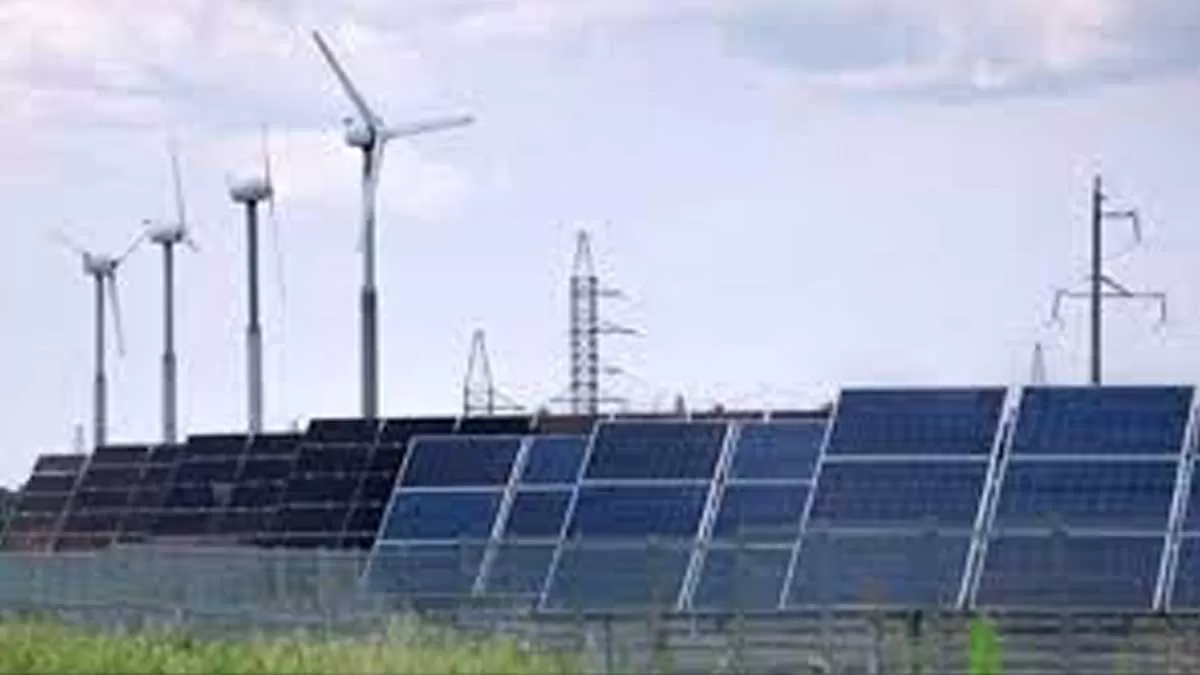
SAEL, a company based in India specialising in solar and agricultural waste-to-energy solutions, successfully secured a substantial $1 billion in funding through a collaborative effort involving the US Development Finance Corporation, the Asian Development Bank, Tata Cleantech, and various other financial institutions.

As part of this funding, the Asian Development Bank (ADB) sanctioned a Rs 12.23 billion ($147 million) loan specifically earmarked for a 400 MW solar project situated in Gujarat. Additionally, Tata Capital extended financial support amounting to Rs 6.11 billion ($73.4 million). ADB played a leading role in structuring the financial aspects of the venture and successfully mobilised private capital within the domestic market.

The infusion of funds is strategically aimed at propelling the expansion of SAEL's solar and biomass projects, leveraging the favourable conditions prevalent in the renewable energy sector and capitalising on government initiatives. SAEL is gearing up to oversee the development and operation of a solar power project within the Khavda Ultra Mega Solar Park in Gujarat, India. The electricity generated will be supplied to Gujarat Urja Vikas Nigam (GUVNL) under a 25-year purchase agreement. The anticipated annual clean energy output of the plant is approximately 953 GWh, contributing to the prevention of around 783,855 tons of carbon dioxide emissions annually.

SAEL has ambitious plans for expansion, setting a capital expenditure target of Rs 150 billion (~$1.8 billion) for the fiscal year 2025. The company aims to execute the development of 2-2.5 GW of renewable capacity each year, with a target of achieving 10 GW within the next four years. Currently boasting a portfolio of 2.7 GW, SAEL's Chairman and Managing Director, Jasbir Singh, emphasised the company's commitment to advancing renewable energy initiatives, particularly in the realms of solar and waste-to-energy projects.

The recent funding aligns with Norfund's mandate for managing the Norwegian Climate Investment Fund, as stated by Norfund?s CEO, Tellef Thorleifsson. Patricia Lacina, the Deputy Chief of the US Mission in India, emphasised the collaborative vision shared between the US and India in deploying clean energy at scale. She expressed confidence that the US Development Finance Corporation?s investment in SAEL would contribute significantly to increasing renewable energy capacity, reducing particulate matter, and supporting improved farmer incomes.

In March 2023, SAEL entered into loan agreements with the Asian Development Bank, securing up to Rs 7.5 billion (~$91.16 million) to promote biomass energy generation utilising agricultural residue. This funding is earmarked for the construction of five 14.9 MW biomass power projects across various districts in Rajasthan. Additionally, in April, SAEL successfully raised Rs 13.25 billion (~$159.38 million) through the issuance of rupee bonds maturing in 2033. Prior to this, the company emerged victorious in the Solar Energy Corporation of India?s auction, securing the right to establish 2 GW of interstate transmission system solar projects (Tranche XI) and securing a capacity of 600 MW at a quoted price of Rs 2.60 (~$0.032)/kWh.

SAEL, a company based in India specialising in solar and agricultural waste-to-energy solutions, successfully secured a substantial $1 billion in funding through a collaborative effort involving the US Development Finance Corporation, the Asian Development Bank, Tata Cleantech, and various other financial institutions. As part of this funding, the Asian Development Bank (ADB) sanctioned a Rs 12.23 billion ($147 million) loan specifically earmarked for a 400 MW solar project situated in Gujarat. Additionally, Tata Capital extended financial support amounting to Rs 6.11 billion ($73.4 million). ADB played a leading role in structuring the financial aspects of the venture and successfully mobilised private capital within the domestic market. The infusion of funds is strategically aimed at propelling the expansion of SAEL's solar and biomass projects, leveraging the favourable conditions prevalent in the renewable energy sector and capitalising on government initiatives. SAEL is gearing up to oversee the development and operation of a solar power project within the Khavda Ultra Mega Solar Park in Gujarat, India. The electricity generated will be supplied to Gujarat Urja Vikas Nigam (GUVNL) under a 25-year purchase agreement. The anticipated annual clean energy output of the plant is approximately 953 GWh, contributing to the prevention of around 783,855 tons of carbon dioxide emissions annually. SAEL has ambitious plans for expansion, setting a capital expenditure target of Rs 150 billion (~$1.8 billion) for the fiscal year 2025. The company aims to execute the development of 2-2.5 GW of renewable capacity each year, with a target of achieving 10 GW within the next four years. Currently boasting a portfolio of 2.7 GW, SAEL's Chairman and Managing Director, Jasbir Singh, emphasised the company's commitment to advancing renewable energy initiatives, particularly in the realms of solar and waste-to-energy projects. The recent funding aligns with Norfund's mandate for managing the Norwegian Climate Investment Fund, as stated by Norfund?s CEO, Tellef Thorleifsson. Patricia Lacina, the Deputy Chief of the US Mission in India, emphasised the collaborative vision shared between the US and India in deploying clean energy at scale. She expressed confidence that the US Development Finance Corporation?s investment in SAEL would contribute significantly to increasing renewable energy capacity, reducing particulate matter, and supporting improved farmer incomes. In March 2023, SAEL entered into loan agreements with the Asian Development Bank, securing up to Rs 7.5 billion (~$91.16 million) to promote biomass energy generation utilising agricultural residue. This funding is earmarked for the construction of five 14.9 MW biomass power projects across various districts in Rajasthan. Additionally, in April, SAEL successfully raised Rs 13.25 billion (~$159.38 million) through the issuance of rupee bonds maturing in 2033. Prior to this, the company emerged victorious in the Solar Energy Corporation of India?s auction, securing the right to establish 2 GW of interstate transmission system solar projects (Tranche XI) and securing a capacity of 600 MW at a quoted price of Rs 2.60 (~$0.032)/kWh.

Next Story
Infrastructure Transport

Kavach 4.0 Commissioned on Delhi–Mumbai and Delhi–Howrah

"Kavach version four has been commissioned on 1,452 route km, covering the high density Delhi–Mumbai and Delhi–Howrah corridors. The rollout included laying 8,570 km of optical fibre, installation of 1,100 telecom towers, deployment of trackside equipment over 6,776 RKm and establishment of 767 station data centres. Trackside implementation has been taken up on 24,427 RKm covering Golden Quadrilateral, Golden Diagonal and High Density Network sections. The programme aims to strengthen signalling and train protection on key routes.Kavach is an indigenously developed automatic train protecti..

Next Story
Infrastructure Transport

Railways Advance Kalyan–Murbad Line And Mumbai Capacity Expansion

"Indian Railways is advancing multiple rail infrastructure projects in Maharashtra, including the sanctioned Kalyan–Murbad new line and sizable investments under the Mumbai Urban Transport Project and the Mumbai–Ahmedabad High Speed Rail project. The Kalyan–Murbad 28 km new line has been sanctioned at Rs 8.36 billion (bn) on a 50:50 cost-sharing basis with the Government of Maharashtra and has been declared a Special Railway Project for land acquisition; proposals covering 214 hectares are at various stages of acquisition. Budgetary outlay for projects falling fully or partly in Maharash..

Next Story
Infrastructure Urban

Parliamentary Panel Flags Funding Gaps in Heavy Industries

"The Department-Related Parliamentary Standing Committee on Industry (Rajya Sabha) presented its 332nd report on the Demands for Grants 2026-27 of the Ministry of Heavy Industries (MHI). Figures converted from crore and lakh are expressed in million (mn). The Budget Estimates 2026-27 for the Ministry stand at Rs 79,399 mn against a projected requirement of Rs 94,843.2 mn, a shortfall of about 16 per cent, with revenue at Rs 79,370.8 mn and capital compressed to Rs 28.2 mn from Rs 5,020 mn.The committee flagged recurring BE-to-RE compression and declining revised estimate utilisation, and calle..

Advertisement

Subscribe to Our Newsletter

Get daily newsletters around different themes from Construction world.

STAY CONNECTED

Advertisement

Advertisement

Advertisement