

Servotech to Install 29 EV Stations
ECONOMY & POLICY

Servotech to Install 29 EV Stations

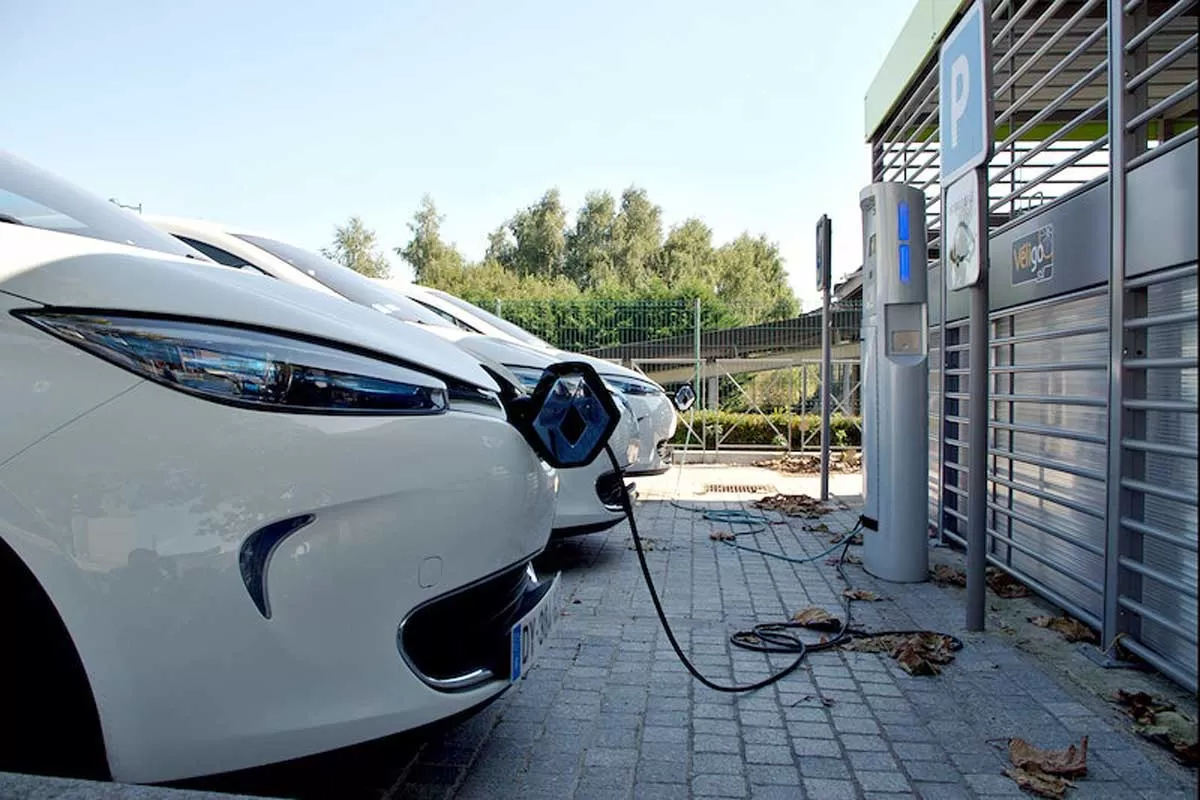
Servotech Power Systems is set to enhance Nashik’s electric vehicle (EV) infrastructure by installing 29 EV charging stations. This initiative is part of the broader push toward green mobility and sustainable urban development, supporting the growing demand for electric vehicles in the region. Nashik, known for its efforts in adopting smart city solutions, will benefit from the installation of these new charging stations, providing much-needed infrastructure for EV users.

As electric mobility gains momentum in India, the availability of reliable charging stations is critical for fostering the widespread adoption of electric vehicles. The EV stations by Servotech Power Systems will cater to both public and private users, offering a convenient and accessible network for charging EVs across Nashik. These stations are equipped with modern charging technologies, ensuring faster and efficient charging for electric cars, bikes, and other EVs.

The initiative aligns with India's larger goal of reducing dependence on fossil fuels, lowering carbon emissions, and encouraging cleaner transportation alternatives. By contributing to the development of a comprehensive EV charging network, Servotech is playing a key role in supporting the government's vision of achieving 30% EV adoption by 2030. The new charging stations are also expected to support local businesses, further driving the transition to electric vehicles in Maharashtra.

Additionally, this project contributes to Nashik's efforts in becoming a more environmentally friendly and energy-efficient city. The deployment of these charging stations will not only promote sustainable transportation but also support the state’s growing electric vehicle market, as more individuals and businesses transition from traditional combustion engines to electric alternatives.

Servotech's commitment to green energy solutions and its experience in providing energy-efficient products positions the company as a leader in the EV infrastructure space. This development marks a significant step toward building an accessible and reliable EV charging network across India's growing urban centers.

Servotech Power Systems is set to enhance Nashik’s electric vehicle (EV) infrastructure by installing 29 EV charging stations. This initiative is part of the broader push toward green mobility and sustainable urban development, supporting the growing demand for electric vehicles in the region. Nashik, known for its efforts in adopting smart city solutions, will benefit from the installation of these new charging stations, providing much-needed infrastructure for EV users. As electric mobility gains momentum in India, the availability of reliable charging stations is critical for fostering the widespread adoption of electric vehicles. The EV stations by Servotech Power Systems will cater to both public and private users, offering a convenient and accessible network for charging EVs across Nashik. These stations are equipped with modern charging technologies, ensuring faster and efficient charging for electric cars, bikes, and other EVs. The initiative aligns with India's larger goal of reducing dependence on fossil fuels, lowering carbon emissions, and encouraging cleaner transportation alternatives. By contributing to the development of a comprehensive EV charging network, Servotech is playing a key role in supporting the government's vision of achieving 30% EV adoption by 2030. The new charging stations are also expected to support local businesses, further driving the transition to electric vehicles in Maharashtra. Additionally, this project contributes to Nashik's efforts in becoming a more environmentally friendly and energy-efficient city. The deployment of these charging stations will not only promote sustainable transportation but also support the state’s growing electric vehicle market, as more individuals and businesses transition from traditional combustion engines to electric alternatives. Servotech's commitment to green energy solutions and its experience in providing energy-efficient products positions the company as a leader in the EV infrastructure space. This development marks a significant step toward building an accessible and reliable EV charging network across India's growing urban centers.

Next Story
Infrastructure Urban

Implementation Status of Jal Jeevan Mission

Since August 2019 the Government has implemented Jal Jeevan Mission to provide assured potable water through household tap connections in rural India. At the start of the mission only 32.3 million (mn) rural households, representing 16.7 per cent, were reported to have tap water connections. States and union territories have reported that 125.8 mn additional rural households have since been provided with tap connections. As a result, of about 193.6 mn rural households roughly 158.2 mn, or 81.71 per cent, are reported to have tap water supply at home.\n\nThe State, district and village level st..

Next Story
Infrastructure Urban

Jal Jeevan Mission Reaches Eighty One Per Cent Rural Coverage

The Government reported substantial progress under the Jal Jeevan Mission, launched in August 2019 to provide tap water to every rural household. At launch only 32.3 million (mn) rural households had tap connections and states and Union territories reported provision of 125.8 mn additional households by March 2026. Consequently, out of about 193.6 mn rural households around 158.2 mn, or 81.71 per cent, are reported to have tap water at home. The Finance Minister announced extension of the mission until 2028 in the 2025-26 budget speech. The Swachh Bharat Mission Grameen, launched in October 20..

Next Story
Infrastructure Urban

Empowering Local Governance for Sustainable Rural Water Supply

The Ministry of Jal Shakti has aligned the Jal Jeevan Mission (JJM) with the 73rd Amendment to strengthen village level planning and community ownership of water supply. Gram Panchayats, village water and sanitation committees and Pani Samitis are to plan, implement, manage and maintain piped water systems, with gram sabha processes formalising handover and oversight. Implementation support agencies including non government organisations, community based organisations and self help groups have been empanelled to train local committees and promote women participation. Under JJM, the department ..

Advertisement

Subscribe to Our Newsletter

Get daily newsletters around different themes from Construction world.

STAY CONNECTED

Advertisement

Advertisement

Advertisement