Shinde Launches Teen Hath Naka Project To Ease Thane Traffic
ECONOMY & POLICY

Shinde Launches Teen Hath Naka Project To Ease Thane Traffic

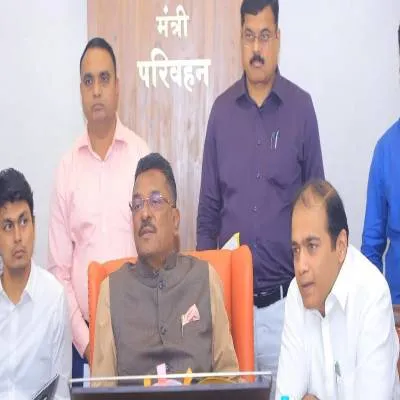
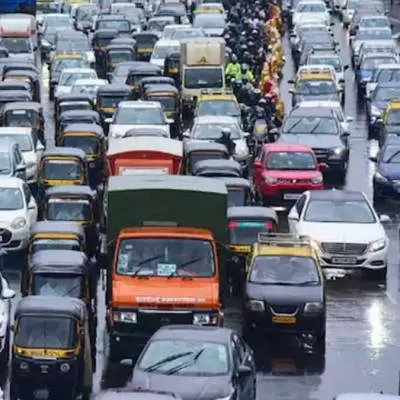
Maharashtra Deputy Chief Minister Eknath Shinde launched the Teen Hath Naka decongestion project in Thane and urged authorities to accelerate infrastructure delivery, according to PTI. He addressed officials from the Mumbai Metropolitan Region Development Authority and Thane Municipal Corporation and stressed that development works should progress without unnecessary delays linked to formal inauguration procedures. The call for a faster approach targeted completion of key projects to relieve chronic congestion and improve urban mobility.

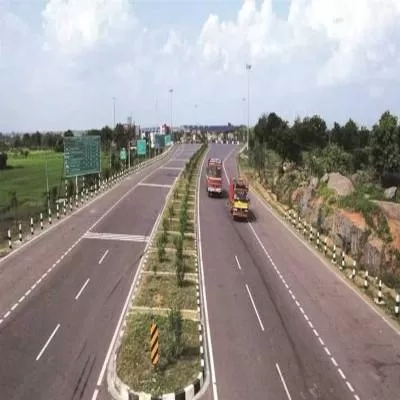
Shinde highlighted major road connectivity initiatives including the Thane Coastal Road and the Eastern Freeway extension and outlined plans for an elevated corridor from Kheda Nagar through Anand Nagar, Saket, Gaimukh and Fountain Hotel. The proposed route is intended to divert heavy commercial and inter?city traffic from Ahmedabad, Jawaharlal Nehru Port and Mumbai away from internal city roads. Officials said the bypass network will ease congestion and reduce vehicular pollution within Thane.

Work is progressing on the Thane?Borivali twin tunnel project which passes beneath the Sanjay Gandhi National Park and is expected to cut travel time between Thane and Borivali from nearly one and a half to two hours to around 20 minutes. The development is presented as a major step to improve east?west connectivity between the suburban areas. Officials also reported that foundation work for pod taxi networks has begun in Thane, intended to link residential precincts with major transit nodes.

Authorities noted that the proposed transport system will connect neighbourhoods with hospitals, commercial centres and transport hubs and provide an alternative for short?distance urban journeys. Construction of Thane's largest state?of?the?art 900?bed super?speciality civic hospital has been completed, and the facility will include an integrated helipad for air ambulance support and faster emergency medical transfer. With projects spanning roads, tunnels, modern transport systems and healthcare infrastructure officials said the initiatives aim to reshape mobility and make Thane a better connected and more efficient urban centre.

Maharashtra Deputy Chief Minister Eknath Shinde launched the Teen Hath Naka decongestion project in Thane and urged authorities to accelerate infrastructure delivery, according to PTI. He addressed officials from the Mumbai Metropolitan Region Development Authority and Thane Municipal Corporation and stressed that development works should progress without unnecessary delays linked to formal inauguration procedures. The call for a faster approach targeted completion of key projects to relieve chronic congestion and improve urban mobility. Shinde highlighted major road connectivity initiatives including the Thane Coastal Road and the Eastern Freeway extension and outlined plans for an elevated corridor from Kheda Nagar through Anand Nagar, Saket, Gaimukh and Fountain Hotel. The proposed route is intended to divert heavy commercial and inter?city traffic from Ahmedabad, Jawaharlal Nehru Port and Mumbai away from internal city roads. Officials said the bypass network will ease congestion and reduce vehicular pollution within Thane. Work is progressing on the Thane?Borivali twin tunnel project which passes beneath the Sanjay Gandhi National Park and is expected to cut travel time between Thane and Borivali from nearly one and a half to two hours to around 20 minutes. The development is presented as a major step to improve east?west connectivity between the suburban areas. Officials also reported that foundation work for pod taxi networks has begun in Thane, intended to link residential precincts with major transit nodes. Authorities noted that the proposed transport system will connect neighbourhoods with hospitals, commercial centres and transport hubs and provide an alternative for short?distance urban journeys. Construction of Thane's largest state?of?the?art 900?bed super?speciality civic hospital has been completed, and the facility will include an integrated helipad for air ambulance support and faster emergency medical transfer. With projects spanning roads, tunnels, modern transport systems and healthcare infrastructure officials said the initiatives aim to reshape mobility and make Thane a better connected and more efficient urban centre.

Next Story
Infrastructure Urban

Centre Clears Power Distribution Upgrade for Uttar Pradesh

The Central Government has approved power distribution projects worth Rs 407.39 billion for Uttar Pradesh under the Revamped Distribution Sector Scheme (RDSS). The investment will be used to modernise the state's electricity distribution infrastructure and strengthen network capacity across urban and rural areas. The package targets one of the country's largest distribution networks as the state experiences rapid urbanisation and rising electricity consumption. Planned interventions include the strengthening of distribution lines, modernisation of substations, replacement of ageing electrical ..

Next Story
Infrastructure Energy

India Data Centres To Consume 191 TWh By 2040 Driving Renewables

A Wood Mackenzie report says India's operational data centre capacity is projected to increase more than fivefold to 12 gigawatt (GW) by 2030 from 2.2 GW in 2025 as artificial intelligence (AI) and cloud computing drive demand. It projects electricity consumption to rise from 10 terawatt-hour (TWh) in 2025 to 191 TWh by 2040. The study forecasts a compound annual growth rate of around 40 per cent and notes AI-dedicated capacity will surge nearly 24-fold from 275 megawatt (MW) in 2025 to 6,546 MW by 2030. The report places India's digital economy at Rs 32 trillion (tn) in 2025 and says it contr..

Next Story
Infrastructure Transport

Hydrogen Train Completes 1,200 Kilometres Of Trials

India's first hydrogen train was flagged off between Jind and Sonipat on July 17 and has travelled over 1,200 kilometres in trials, saving diesel consumption of more than 3,200 litres, a Railway Ministry press release said. The deployment marks the introduction of a zero-emission fuel cell train into route testing and represents a milestone in domestic rail innovation. The train generates electricity onboard through a chemical reaction between hydrogen and oxygen, producing electricity to propel the vehicle while emitting only water vapour as a by-product. There is no smoke and no tailpipe car..

Advertisement

Subscribe to Our Newsletter

Get daily newsletters around different themes from Construction world.

STAY CONNECTED

Advertisement

Advertisement

Advertisement