SUN Mobility, IndianOil to Install 10,000 EV Swapping Stations by 2030
ECONOMY & POLICY

SUN Mobility, IndianOil to Install 10,000 EV Swapping Stations by 2030

In a groundbreaking move towards revolutionizing electric vehicle (EV) infrastructure in India, SUN Mobility and IndianOil have joined forces in a pioneering joint venture aimed at establishing over 10,000 battery swapping stations across the country by 2030.

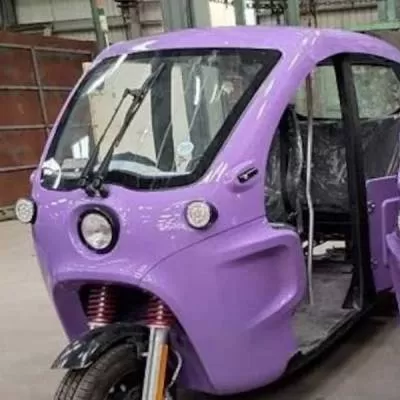
This strategic initiative, unveiled with much anticipation, is poised to unfold across more than 40 cities within the next three years. The ambitious project aims to significantly accelerate the adoption of electric mobility, catering not only to two-wheelers but also to three-wheelers and small four-wheelers.

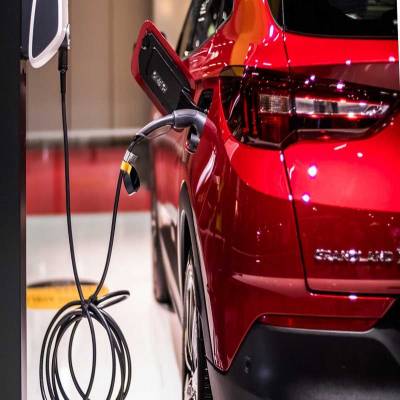
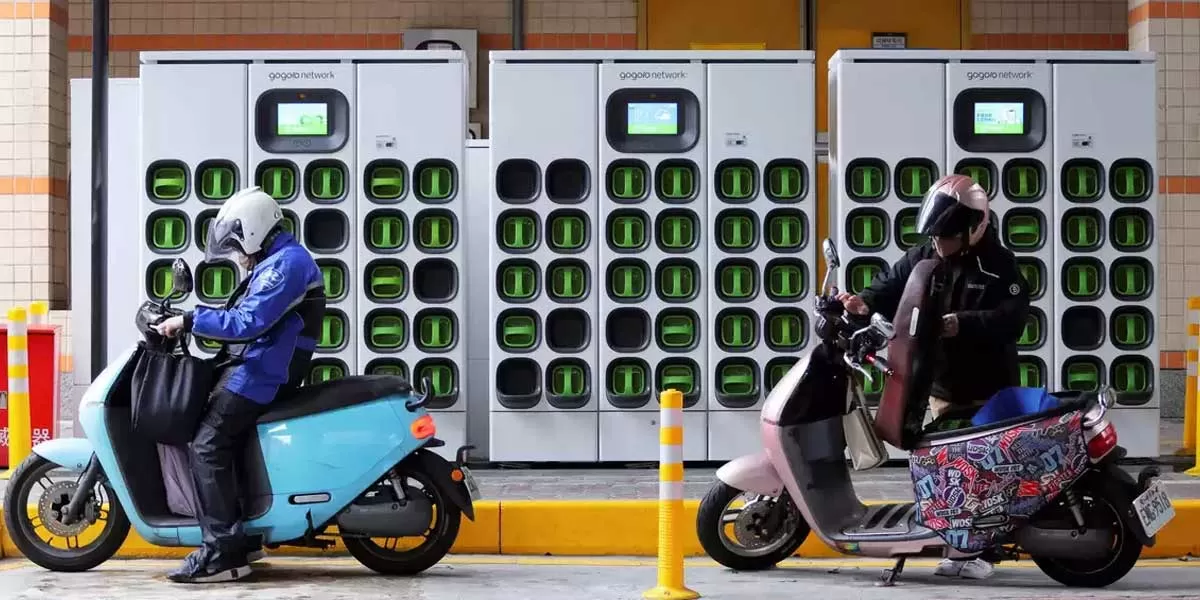
Central to this endeavor is the innovative Battery as a Service (BaaS) model, which promises to redefine the landscape of electric vehicle ownership. Under this model, users will have access to a network of swapping stations, facilitating the seamless exchange of depleted batteries for fully charged ones. This approach not only eliminates the lengthy charging times associated with traditional electric vehicles but also addresses concerns regarding battery degradation and range anxiety.

The collaboration between SUN Mobility, a leading provider of energy infrastructure and services for electric vehicles, and IndianOil, one of India's largest oil and gas companies, marks a significant milestone in the nation's journey towards sustainable transportation solutions. By leveraging their respective expertise and resources, the two entities aim to create a robust ecosystem that supports the widespread adoption of electric vehicles.

Currently, SUN Mobility boasts a commendable track record, with over 25,000 electric vehicles being supported by more than 630 swapping stations spread across 20 cities. Powered by upwards of 50,000 smart batteries, this network facilitates over a million swaps per month, underscoring the scalability and viability of the battery swapping model.

The unveiling of this ambitious plan underscores India's commitment to fostering a greener, more sustainable future for its transportation sector. With the rapid expansion of EV infrastructure and the adoption of innovative business models like BaaS, the country is poised to emerge as a global leader in electric mobility.

As stakeholders eagerly await the rollout of these battery swapping stations, anticipation runs high for the transformative impact they are poised to have on India's transportation landscape. With convenience, sustainability, and scalability at its core, this collaboration between SUN Mobility and IndianOil signals a new era in the evolution of electric mobility in India.

In a groundbreaking move towards revolutionizing electric vehicle (EV) infrastructure in India, SUN Mobility and IndianOil have joined forces in a pioneering joint venture aimed at establishing over 10,000 battery swapping stations across the country by 2030. This strategic initiative, unveiled with much anticipation, is poised to unfold across more than 40 cities within the next three years. The ambitious project aims to significantly accelerate the adoption of electric mobility, catering not only to two-wheelers but also to three-wheelers and small four-wheelers. Central to this endeavor is the innovative Battery as a Service (BaaS) model, which promises to redefine the landscape of electric vehicle ownership. Under this model, users will have access to a network of swapping stations, facilitating the seamless exchange of depleted batteries for fully charged ones. This approach not only eliminates the lengthy charging times associated with traditional electric vehicles but also addresses concerns regarding battery degradation and range anxiety. The collaboration between SUN Mobility, a leading provider of energy infrastructure and services for electric vehicles, and IndianOil, one of India's largest oil and gas companies, marks a significant milestone in the nation's journey towards sustainable transportation solutions. By leveraging their respective expertise and resources, the two entities aim to create a robust ecosystem that supports the widespread adoption of electric vehicles. Currently, SUN Mobility boasts a commendable track record, with over 25,000 electric vehicles being supported by more than 630 swapping stations spread across 20 cities. Powered by upwards of 50,000 smart batteries, this network facilitates over a million swaps per month, underscoring the scalability and viability of the battery swapping model. The unveiling of this ambitious plan underscores India's commitment to fostering a greener, more sustainable future for its transportation sector. With the rapid expansion of EV infrastructure and the adoption of innovative business models like BaaS, the country is poised to emerge as a global leader in electric mobility. As stakeholders eagerly await the rollout of these battery swapping stations, anticipation runs high for the transformative impact they are poised to have on India's transportation landscape. With convenience, sustainability, and scalability at its core, this collaboration between SUN Mobility and IndianOil signals a new era in the evolution of electric mobility in India.

Next Story
Infrastructure Transport

Shivraj Chouhan Launches PMGSY IV and Announces Package for Madhya Pradesh

Union Minister Shivraj Singh Chouhan launched the Pradhan Mantri Gram Sadak Yojana (PMGSY) IV at Bhairunda in Sehore district during the 25 year celebrations and announced a development package for Madhya Pradesh. The programme was organised by the Union Ministry of Rural Development and attended by Chief Minister Dr Mohan Yadav, ministers of state, state ministers, legislators and senior officials from the centre and the state. The minister said the central government under the Prime Minister is committed to strengthening rural livelihoods through improved connectivity, housing and women's in..

Next Story
Infrastructure Urban

DMR Engineering Reports FY 25-26 Financial Results

DMR Engineering reported its half year results for the financial year ended 31 March 2026 and published full year figures on a standalone basis. Standalone revenue from operations decreased by 2.01 per cent year-over-year to Rs 102.58 million (mn), while profit after tax declined by 43.94 per cent to nine point five six mn, leaving a profit after tax margin of nine point zero five per cent. Earnings per share stood at Rs zero point nine two, a fall of 44.71 per cent year-over-year. The company attributed part of the decline to one-off provisioning for bad debts and additional financing charges..

Next Story
Infrastructure Urban

Atlanta Electricals Posts Strong FY26 Growth And Debt Free Finish

Atlanta Electricals reported audited consolidated results for the quarter and year ended 31 March 2026. The company recorded significant year-on-year revenue growth driven by capacity ramp-up at new facilities and higher utilisation at legacy plants. The announcement summarised operating improvements and strategic milestones achieved during the year. For Q4 the company reported revenue of Rs 7.48 bn and for FY26 revenue of Rs 18.52 bn, representing robust growth versus the prior year. EBITDA in Q4 was Rs. 1.49 bn and Rs. 3.44 bn for the full year, with margins expanding to 20 per cent in the q..

Advertisement

Subscribe to Our Newsletter

Get daily newsletters around different themes from Construction world.

STAY CONNECTED

Advertisement

Advertisement

Advertisement

-->