Toyota Kirloskar begins third shift at Karnataka plant to increase production
ECONOMY & POLICY

Toyota Kirloskar begins third shift at Karnataka plant to increase production

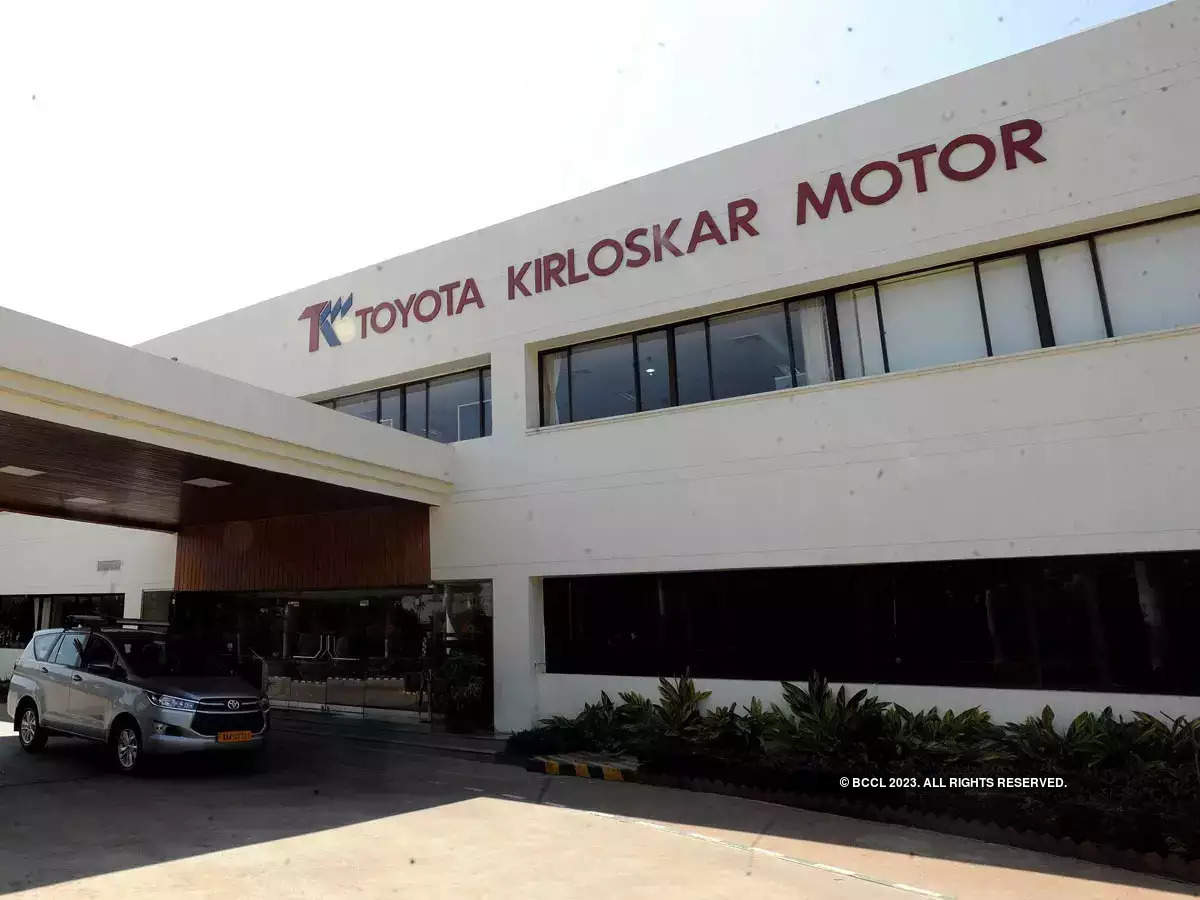
In an effort to reduce wait times for several of its well-known models, including the Innova Crysta and Fortuner, Toyota Kirloskar Motor has started a third shift at its Karnataka-based manufacturing.

In order to increase production capacity, the automaker started a third shift in Plant 1 in Bidadi, a suburb of Bengaluru, the first week of May.

The company has added over 1,500 workers for the third shift at the plant and spent over Rs 90 crore upgrading the facility's current infrastructure.

"We have commenced a third shift at the plant which produces models like Innova Crysta, Innova Hycross and Fortuner. These products have been quite successful and there is quite a long waiting period. We are trying to minimise the impact for the customers," TKM Senior Vice President and Chief Communication Officer Sudeep S Dalvi said.

He mentioned that the third shift required some modifications at the plant, which required a corporate downtime lasting about a week. "We have invested more than Rs 900 million in the plant capacity expansion," said Dalvi.

He stated that the factory would be able to generate 30% more during the third shift than it is currently able to. TKM wants to increase production at the plant, which presently turns out close to 1 lakh units annually, to over 30,000 units annually.

Within the boundaries of the Bidadi property, the automaker has two plants that produce several product lines. Innova Hycross, Innova Crysta, Fortuner, and Legender are being produced at TKM's Plant 1 since it began operations in December 1999.

The Bidadi facility also assembles items like the Hilux and Camry Hybrid. It currently has a 3.10 lakh unit annual production capacity for TKM.

Dalvi emphasized that the current capacity enhancement program does not apply to activities at its second factory, which produces goods like the Hyryder and Grand Vitara.

Due to continued supply issues, TKM made the decision in April to temporarily cease bookings for the highest trims of its multipurpose vehicle, the Innova Hycross, beginning on April 8.

Due to overwhelming demand and a longer wait time, it also stopped taking orders for the Innova Crysta's diesel version last year.

See also:
Toyota Kirloskar plans to roll out affordable green models
Toyota Auto Parts launches new electrified components line E-Drive


In an effort to reduce wait times for several of its well-known models, including the Innova Crysta and Fortuner, Toyota Kirloskar Motor has started a third shift at its Karnataka-based manufacturing. In order to increase production capacity, the automaker started a third shift in Plant 1 in Bidadi, a suburb of Bengaluru, the first week of May. The company has added over 1,500 workers for the third shift at the plant and spent over Rs 90 crore upgrading the facility's current infrastructure. We have commenced a third shift at the plant which produces models like Innova Crysta, Innova Hycross and Fortuner. These products have been quite successful and there is quite a long waiting period. We are trying to minimise the impact for the customers, TKM Senior Vice President and Chief Communication Officer Sudeep S Dalvi said. He mentioned that the third shift required some modifications at the plant, which required a corporate downtime lasting about a week. We have invested more than Rs 900 million in the plant capacity expansion, said Dalvi. He stated that the factory would be able to generate 30% more during the third shift than it is currently able to. TKM wants to increase production at the plant, which presently turns out close to 1 lakh units annually, to over 30,000 units annually. Within the boundaries of the Bidadi property, the automaker has two plants that produce several product lines. Innova Hycross, Innova Crysta, Fortuner, and Legender are being produced at TKM's Plant 1 since it began operations in December 1999. The Bidadi facility also assembles items like the Hilux and Camry Hybrid. It currently has a 3.10 lakh unit annual production capacity for TKM. Dalvi emphasized that the current capacity enhancement program does not apply to activities at its second factory, which produces goods like the Hyryder and Grand Vitara. Due to continued supply issues, TKM made the decision in April to temporarily cease bookings for the highest trims of its multipurpose vehicle, the Innova Hycross, beginning on April 8. Due to overwhelming demand and a longer wait time, it also stopped taking orders for the Innova Crysta's diesel version last year. See also: Toyota Kirloskar plans to roll out affordable green modelsToyota Auto Parts launches new electrified components line E-Drive

Related Stories

Gold Stories

Next Story
Infrastructure Urban

KONE Opens India's First Digital Experience Centre in Pune

KONE, a global elevator and escalator manufacturer, has inaugurated its first Digital Experience Centre (DEC) in India, located in Pune. The facility aims to showcase how artificial intelligence (AI), connectivity and data-driven technologies can enhance customer experiences and improve building operations.The centre was inaugurated by Jussi Herlin, Executive Vice Chair, KONE Corporation; Philippe Delorme, President and CEO, KONE; and Nandan Nilekani, Co-founder and Chairman of the Board, Infosys.Designed as an interactive customer environment, the facility demonstrates digital solutions cover..

Next Story
Infrastructure Urban

CII GreenCo Launches Circularity Guidelines for Indian Industry

The Confederation of Indian Industry (CII) GreenCo Council has launched the CII GreenCo Circularity Guidelines – Pilot Version at the 17th CII GreenCo Waste & Resource Management Summit 2026 in Chennai. The initiative aims to strengthen resource efficiency, waste reduction and circular economy practices across Indian manufacturing and process industries.The guidelines introduce a structured framework with circularity indices covering raw materials, consumables, packaging and other resource inputs. These indicators will help industries assess existing practices, identify opportunities to ..

Next Story
Infrastructure Energy

Global Electronics Association Launches IPC-1783-CO2E Standard

The Global Electronics Association has introduced IPC-1783-CO2E, a new international standard aimed at improving consistency, transparency and comparability in product carbon footprint reporting across the electronics manufacturing industry.The standard, titled International Standard for Data Collection and Reporting of CO2 Equivalent (CO2e) Emissions for the Electronics Manufacturing Supply Chain, provides industry-specific guidance for collecting, estimating and reporting carbon emissions data.With increasing regulatory requirements and customer expectations, electronics manufacturers face c..

Advertisement

Subscribe to Our Newsletter

Get daily newsletters around different themes from Construction world.

STAY CONNECTED

Advertisement

SPECIAL OFFER
QR Code