

US to ease EV rule on tailpipe emissions
ECONOMY & POLICY

US to ease EV rule on tailpipe emissions

Recent reports indicate that the United States is poised to ease regulations concerning tailpipe emissions for electric vehicles (EVs). This potential shift in policy reflects a move towards fostering a more favourable regulatory environment for the EV market in the country.

The relaxation of rules is expected to encourage the adoption of electric vehicles by alleviating certain regulatory constraints faced by manufacturers. This strategic decision aligns with the broader global trend of promoting sustainable transportation and reducing the carbon footprint associated with traditional combustion engine vehicles.

The move is seen as a part of the US government's efforts to accelerate the transition to cleaner and greener mobility solutions. By providing regulatory flexibility, the authorities aim to stimulate innovation and investment in the electric vehicle sector, contributing to the country's long-term environmental goals.

Industry experts anticipate that this regulatory adjustment will not only benefit existing electric vehicle manufacturers but also attract new players to the market. The increased availability and affordability of electric vehicles are expected to play a pivotal role in shaping the future of the automotive industry in the United States.

While the specifics of the regulatory changes are yet to be unveiled, the anticipated relaxation of EV-related rules signifies a significant step towards promoting sustainable and eco-friendly transportation practices in the United States.

Recent reports indicate that the United States is poised to ease regulations concerning tailpipe emissions for electric vehicles (EVs). This potential shift in policy reflects a move towards fostering a more favourable regulatory environment for the EV market in the country. The relaxation of rules is expected to encourage the adoption of electric vehicles by alleviating certain regulatory constraints faced by manufacturers. This strategic decision aligns with the broader global trend of promoting sustainable transportation and reducing the carbon footprint associated with traditional combustion engine vehicles. The move is seen as a part of the US government's efforts to accelerate the transition to cleaner and greener mobility solutions. By providing regulatory flexibility, the authorities aim to stimulate innovation and investment in the electric vehicle sector, contributing to the country's long-term environmental goals. Industry experts anticipate that this regulatory adjustment will not only benefit existing electric vehicle manufacturers but also attract new players to the market. The increased availability and affordability of electric vehicles are expected to play a pivotal role in shaping the future of the automotive industry in the United States. While the specifics of the regulatory changes are yet to be unveiled, the anticipated relaxation of EV-related rules signifies a significant step towards promoting sustainable and eco-friendly transportation practices in the United States.

Next Story
Equipment

Schwing Stetter India Unveils New Innovations at Excon 2025

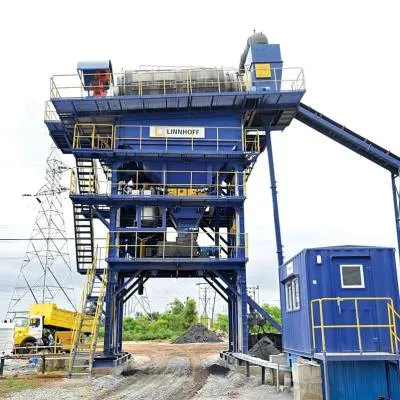
Schwing Stetter India unveiled more than 20 new machines at Excon 2025, marking one of its most significant showcases and introducing several India-first technologies to the construction equipment sector. The company launched the country’s first 56-metre boom pump designed and manufactured in India, the first fully electric truck mixer, the first CNG mixer variant and the first hybrid boom pump. Executives said the launch portfolio was engineered to support India’s move toward faster, greener and more vertically oriented infrastructure through advanced engineering, clean-energy solutions a..

Next Story
Infrastructure Energy

SEPC Resolves Hindustan Copper Dispute, Wins Rs 725 Mn Order

Engineering, procurement and construction firm SEPC Ltd has recently settled a dispute with Hindustan Copper Ltd (HCL) and secured a mining infrastructure order valued at Rs 725 million from the state-owned company. SEPC informed the stock exchanges that it has executed a settlement deed with HCL, bringing closure to all inter-se claims and counterclaims arising from arbitration proceedings. As part of the settlement, SEPC will receive Rs 304.5 million as full and final payment, marking the resolution of all pending disputes between the two entities. The company also stated that Hindustan Co..

Next Story
Infrastructure Energy

20% Ethanol Blending Cuts India’s CO2 Emissions by 73.6 Mn Tonnes

Union Road Transport and Highways Minister Nitin Gadkari recently said that India has reduced carbon dioxide emissions by 73.6 million metric tonnes due to the adoption of 20 per cent ethanol blending in petrol. He made the statement while replying to supplementary questions during the Question Hour in the Lok Sabha. Describing ethanol as a green fuel, the minister said it plays a key role in reducing pollution while also supporting higher incomes for farmers. He underlined that ethanol blending contributes both to environmental sustainability and rural economic growth. Nitin Gadkari also po..

Advertisement

Subscribe to Our Newsletter

Get daily newsletters around different themes from Construction world.

STAY CONNECTED

Advertisement

Advertisement

Advertisement

Advertisement

Open In App