Vedanta Aluminium Ranks Second in S&P Global Sustainability Assessment
ECONOMY & POLICY

Vedanta Aluminium Ranks Second in S&P Global Sustainability Assessment

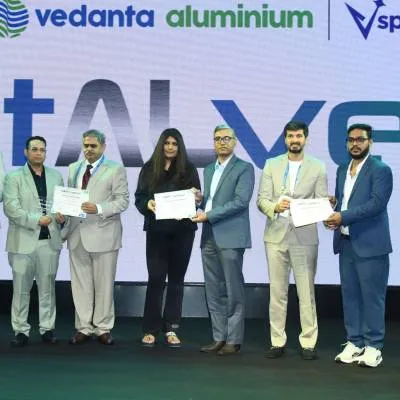
Vedanta Aluminium has ranked second globally in the S&P Global Corporate Sustainability Assessment (CSA) for the aluminium industry for the third consecutive year. The company achieved its highest-ever score of 84 out of 100, reinforcing its position as a sustainability leader in the global metals sector.

The S&P Global CSA is regarded as one of the most rigorous ESG benchmarks, assessing companies across 62 industries on how effectively they manage and disclose environmental, social and governance risks and opportunities. Vedanta Aluminium’s consistent performance reflects its continued focus on embedding sustainability into core business operations.

The company’s sustainability strategy spans climate action, circular economy practices and social stewardship. Its low-carbon aluminium brands, Restora and Restora Ultra, are produced using renewable energy and have a verified carbon footprint of below 4 tCO?e per tonne, meeting global low-carbon thresholds. These products support Vedanta Aluminium’s target of building a 30 per cent low-carbon aluminium portfolio by 2030.

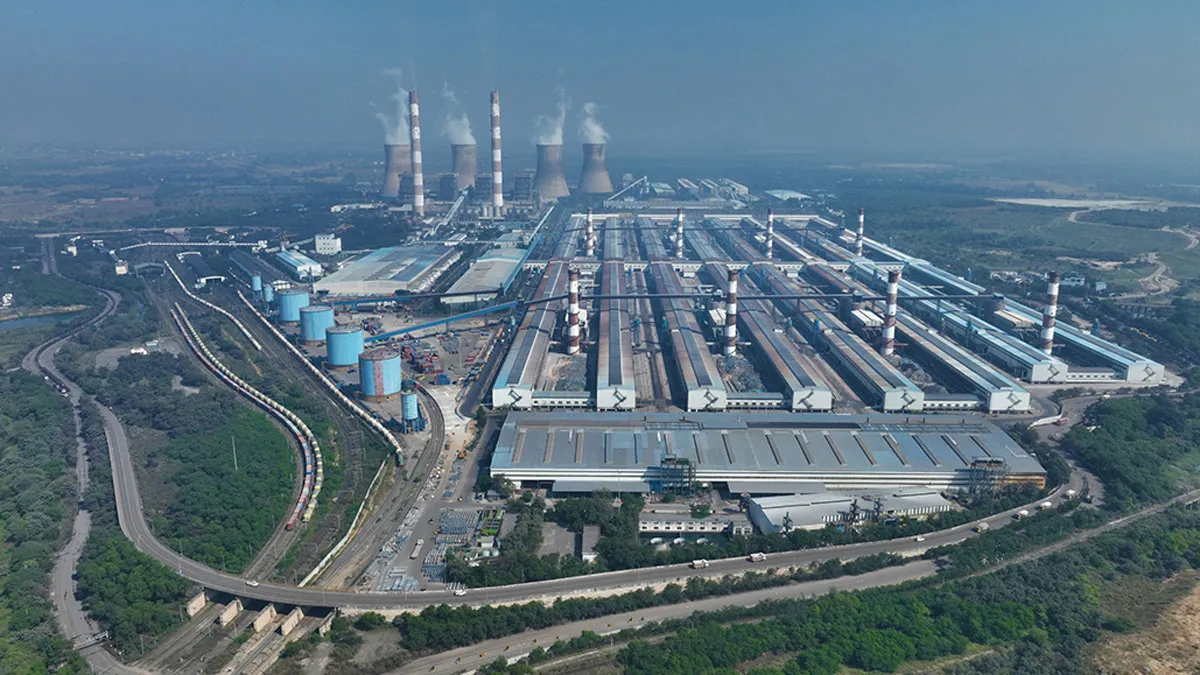
In FY25, Vedanta Aluminium reported an 8.96 per cent reduction in GHG intensity compared to FY21, consumption of 1.57 billion units of renewable energy, recycling of 16.79 million cubic metres of water, and 100 per cent fly ash utilisation under its Waste-to-Wealth programme. The company has also undertaken community initiatives including water body restoration, afforestation and clean energy access for rural households, aligning industrial growth with long-term environmental responsibility.

Company Quotes: “Sustained leadership in the S&P Global CSA for the third consecutive year is a proud moment for Vedanta Aluminium and a reflection of the culture we are building,” said Priya Agarwal Hebbar, Non-Executive Director, Vedanta Limited.

“Our consistent leadership in the S&P Global CSA demonstrates that strong ESG performance and business competitiveness go hand in hand,” said Rajiv Kumar, CEO, Vedanta Aluminium.

Vedanta Aluminium has ranked second globally in the S&P Global Corporate Sustainability Assessment (CSA) for the aluminium industry for the third consecutive year. The company achieved its highest-ever score of 84 out of 100, reinforcing its position as a sustainability leader in the global metals sector. The S&P Global CSA is regarded as one of the most rigorous ESG benchmarks, assessing companies across 62 industries on how effectively they manage and disclose environmental, social and governance risks and opportunities. Vedanta Aluminium’s consistent performance reflects its continued focus on embedding sustainability into core business operations. The company’s sustainability strategy spans climate action, circular economy practices and social stewardship. Its low-carbon aluminium brands, Restora and Restora Ultra, are produced using renewable energy and have a verified carbon footprint of below 4 tCO?e per tonne, meeting global low-carbon thresholds. These products support Vedanta Aluminium’s target of building a 30 per cent low-carbon aluminium portfolio by 2030. In FY25, Vedanta Aluminium reported an 8.96 per cent reduction in GHG intensity compared to FY21, consumption of 1.57 billion units of renewable energy, recycling of 16.79 million cubic metres of water, and 100 per cent fly ash utilisation under its Waste-to-Wealth programme. The company has also undertaken community initiatives including water body restoration, afforestation and clean energy access for rural households, aligning industrial growth with long-term environmental responsibility. Company Quotes: “Sustained leadership in the S&P Global CSA for the third consecutive year is a proud moment for Vedanta Aluminium and a reflection of the culture we are building,” said Priya Agarwal Hebbar, Non-Executive Director, Vedanta Limited. “Our consistent leadership in the S&P Global CSA demonstrates that strong ESG performance and business competitiveness go hand in hand,” said Rajiv Kumar, CEO, Vedanta Aluminium.

Next Story
Infrastructure Energy

Manohar Lal Inaugurates Unit of India’s Largest Hydropower Project

Union Minister of Power, Housing and Urban Affairs Manohar Lal on Tuesday inaugurated the commercial operation of Unit–2 (250 MW) of the 2,000 MW Subansiri Lower Hydroelectric Project, the country’s largest hydropower project. The inauguration was held in virtual mode, marking a major milestone in India’s renewable energy journey.Speaking on the occasion, Manohar Lal said the commissioning of the unit was not merely a technical achievement but a reflection of years of dedication, teamwork and perseverance. He highlighted that the Subansiri project symbolises India’s commitment to clean..

Next Story
Infrastructure Urban

India, New Zealand Wrap up FTA Talks on Financial Services

India and New Zealand have concluded negotiations on the Financial Services Annex of the proposed India–New Zealand Free Trade Agreement (FTA), marking a key step in strengthening bilateral economic and strategic ties. The talks were wrapped up on December 22, 2025, with the final round of negotiations held earlier on December 10.The Financial Services Annex is designed to create a forward-looking and mutually beneficial framework that enhances market access, regulatory cooperation and institutional linkages between the two countries. Expanding beyond standard World Trade Organization commit..

Next Story
Infrastructure Energy

CAQM Issues Notices to Six TPPs over Biomass Co-firing Lapses

The Commission for Air Quality Management in NCR and Adjoining Areas (CAQM) has issued Show Cause Notices to six coal-based thermal power plants (TPPs) located within a 300-km radius of Delhi for non-compliance with mandatory biomass co-firing norms. The action follows a detailed review of compliance for FY 2024–25 based on data submitted by the Ministry of Power.Under the Environment (Utilisation of Crop Residue by Thermal Power Plants) Rules, 2023, all coal-based TPPs are required to co-fire a minimum 5 per cent blend of biomass pellets or briquettes made from crop residue, with a threshol..

Advertisement

Subscribe to Our Newsletter

Get daily newsletters around different themes from Construction world.

STAY CONNECTED

Advertisement

Advertisement

Advertisement

Advertisement

Open In App