Volkswagen India Rolls Out Voluntary Early Retirement Plan
ECONOMY & POLICY

Volkswagen India Rolls Out Voluntary Early Retirement Plan

Volkswagen Group has introduced a voluntary early retirement scheme for its entire blue-collar workforce across its two manufacturing facilities in India, according to media reports, as it looks to streamline operations and address underutilised capacity in a highly competitive market.

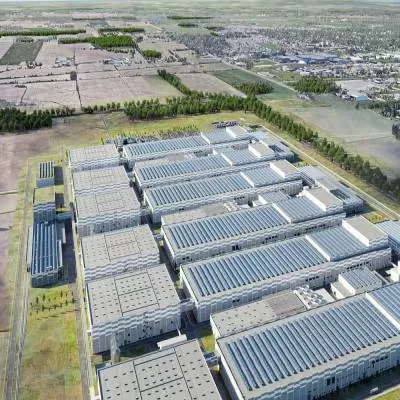
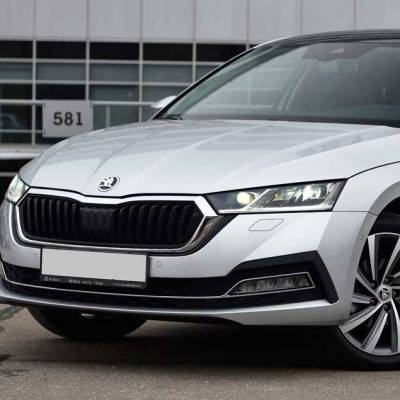
The scheme applies to around 2,300 employees at the group’s Maharashtra plants, which produce models such as the Skoda Kushaq, Volkswagen Virtus and Audi Q3 and Q5 for both domestic and export markets. Despite more than two decades of presence in India, the group’s market share has remained at about 2 per cent, prompting a renewed focus on cost efficiency and workforce alignment.

With production running below installed capacity, the initiative is aimed at matching workforce levels to current operating requirements. Under the scheme, eligible employees are offered compensation equivalent to 75 days of pay for every year of service completed or remaining until retirement, whichever is lower. Additional payouts are available for those who opt in within five to ten days of the offer period. The plan is voluntary and was introduced following discussions and requests from worker unions.

Skoda Auto Volkswagen India, which has led the group’s integrated India strategy since 2018, said the proposal emerged from ongoing dialogue with unions as part of broader workforce restructuring efforts. At the same time, the group continues to explore the possibility of a local partner to support future investments and expansion.

The move comes as Volkswagen contests a $1.4 billion import tax demand, which it has denied. Although the group sells multiple brands in India, including Volkswagen, Skoda, Audi, Porsche, Lamborghini and Bentley, it has struggled to significantly scale its presence in the passenger vehicle market.

The voluntary retirement scheme marks a key step in reshaping Volkswagen’s India operations, as the company seeks to build a more efficient cost structure while signalling its intention to sustain and potentially grow its footprint in the country over the long term.

Volkswagen Group has introduced a voluntary early retirement scheme for its entire blue-collar workforce across its two manufacturing facilities in India, according to media reports, as it looks to streamline operations and address underutilised capacity in a highly competitive market. The scheme applies to around 2,300 employees at the group’s Maharashtra plants, which produce models such as the Skoda Kushaq, Volkswagen Virtus and Audi Q3 and Q5 for both domestic and export markets. Despite more than two decades of presence in India, the group’s market share has remained at about 2 per cent, prompting a renewed focus on cost efficiency and workforce alignment. With production running below installed capacity, the initiative is aimed at matching workforce levels to current operating requirements. Under the scheme, eligible employees are offered compensation equivalent to 75 days of pay for every year of service completed or remaining until retirement, whichever is lower. Additional payouts are available for those who opt in within five to ten days of the offer period. The plan is voluntary and was introduced following discussions and requests from worker unions. Skoda Auto Volkswagen India, which has led the group’s integrated India strategy since 2018, said the proposal emerged from ongoing dialogue with unions as part of broader workforce restructuring efforts. At the same time, the group continues to explore the possibility of a local partner to support future investments and expansion. The move comes as Volkswagen contests a $1.4 billion import tax demand, which it has denied. Although the group sells multiple brands in India, including Volkswagen, Skoda, Audi, Porsche, Lamborghini and Bentley, it has struggled to significantly scale its presence in the passenger vehicle market. The voluntary retirement scheme marks a key step in reshaping Volkswagen’s India operations, as the company seeks to build a more efficient cost structure while signalling its intention to sustain and potentially grow its footprint in the country over the long term.

Next Story
Infrastructure Urban

Powerplay Rolls Out Procurement-Linked Credit for Contractors

Powerplay has announced the launch of Powerplay Credit, a project-linked working capital solution aimed at easing cash flow pressures faced by contractors during active construction execution. The solution has gone live across key markets in South India, with a wider national rollout planned for 2026.The launch comes amid rising activity in India’s construction sector across infrastructure, housing, industrial corridors, renewable energy and urban redevelopment. Contractors executing large corporate and government projects often face extended payment cycles, stage-based billing and delayed r..

Next Story
Infrastructure Urban

Jyoti Structures Commissions Galvanisation at Second Nashik Unit

Jyoti Structures has commissioned galvanisation operations at its second tower manufacturing unit in Nashik, strengthening its in-house capabilities across critical stages of power transmission infrastructure production. The listed Engineering, Procurement and Construction (EPC) company operates globally and has delivered projects for customers across more than 50 countries.The second Nashik unit, with an annual manufacturing capacity of 36,000 metric tonnes, has become operational following the completion of installation, testing and readiness of the new galvanising facilities. With this deve..

Next Story
Infrastructure Energy

Rosatom Connects First Kursk NPP-2 Unit to National Grid

Rosatom has launched the first power unit of the Kursk Nuclear Power Plant-2 (Kursk NPP-2) into Russia’s Unified Energy System, marking a key milestone in the country’s nuclear energy programme. The initial grid connection took place at the end of the year, bringing a new source of low-carbon electricity online for the Kursk region and the broader Central Energy System.The newly commissioned unit is the first implementation of the VVER-TOI reactor design, which incorporates advanced safety and performance features. With an installed capacity of 1,250 MW, it is the most powerful nuclear pow..

Advertisement

Subscribe to Our Newsletter

Get daily newsletters around different themes from Construction world.

STAY CONNECTED

Advertisement

Advertisement

Advertisement

Advertisement

Open In App