ECONOMY & POLICY

"We will take up some projects under PPP": Lucknow Commissioner

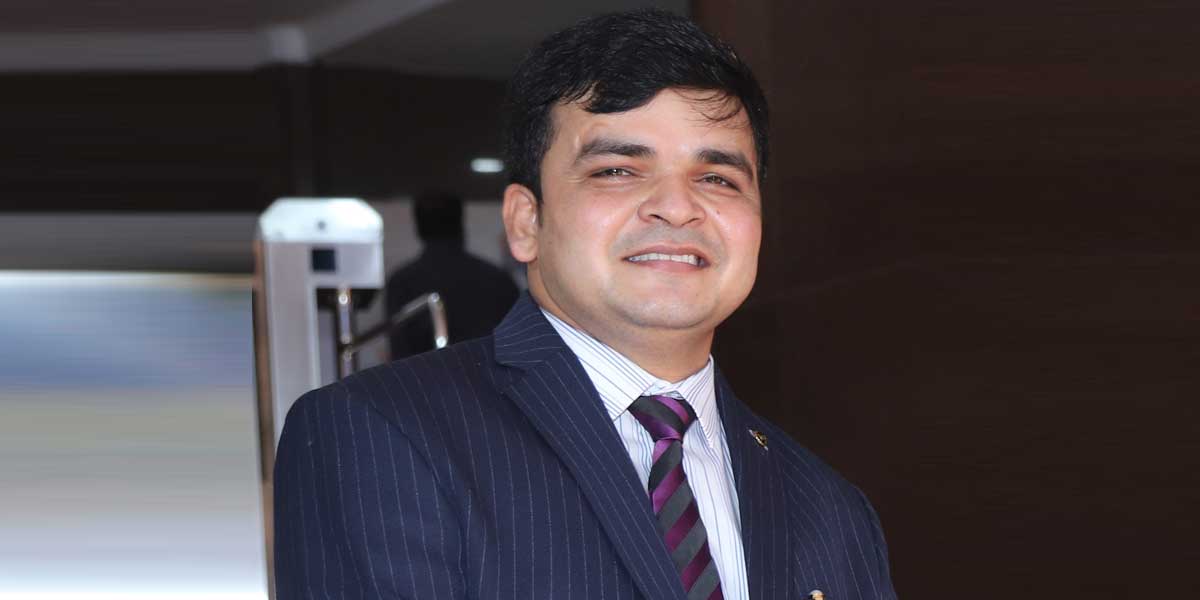
- Ajay Kumar Dwivedi, Municipal Commissioner, Lucknow Municipal Corporation

Lucknow is the new bond! The first city in the North India region--and the 10th in the country--recently released the bond of its municipal corporation for infrastructure financing. Amid a pandemic year, the Uttar Pradesh capital has bounced back with its city development plans. Ajay Kumar Dwivedi, Municipal Commissioner, Lucknow Municipal Corporation, discusses the success of the municipal bond, smart city projects, and upcoming opportunities for the building and construction industry, in conversation with SHRIYAL SETHUMADHAVAN.

Tell us about the success of the municipal bond that has been raised by Lucknow Municipal Corporation.

This process started almost a year ago when the cabinet passed a note indicating that a municipal bond should be issued by municipal bodies in Uttar Pradesh. We started with the effort; Lucknow Municipal Corporation received a double A rating, and that was the basis to get this bond issued. We then went on to improve our accounting and auditing system; our entire balance sheet was put in order. We then registered with SEBI for the issuance of this bond and roped in a transaction advisor who helped us in attracting investors. The base price of our bond was Rs 100 crore and Rs 100 crore was the greenshoe option. We took permission from the government to float a Rs 200 crore bond. Finally, when our bond was there for bidding, it was oversubscribed by 4.5 times with around 450 crore subscriptions. This is the first municipal bond, not only in Uttar Pradesh, but the whole of North India. Also, we received this investment at an attractive coupon rate of 8.5 per cent; this is the second lowest among all the 10 municipalities – Lucknow being the tenth – who have floated a bond.

How will this raised amount be utilised?

The raised amount will be utilised for two projects – a Rs 195 crore housing project and a Rs 5 crore water supply project.

Tenders have already been floated for both projects. The housing project has been planned for around 18 towers comprising a total of 700 apartments.

The project plan also includes a commercial area as well as a shopping complex. We will provide affordable housing to the EWS and LIG/MIG category, and comfortable housing for HIG. The housing project is located adjacent to another private housing project – Omaxe city – which has already been sold out. Evidently, the commercial potential is high, and we are in touch with many organisations where people are willing to go for pre-booking of our flats. We expect that most of our flats will be pre-booked as soon as the project is launched.

The water supply project is a smaller portion in the entire pond. It will provide potable drinking water to around 2,500 families.

Why are municipal bonds important for a city?

Raising money through a municipal bond is an indicator that now the municipal body has reached an advanced stage of working. To raise money through bonds, the municipal corporation requires a lot of financial discipline. At Lucknow, as mentioned, we have improved the accounting and auditing system, and raised the financial discipline to a standard that enabled us to raise money from the market. It was only when we were rated as double A, were we able to float the bond. So, it is not just about raising money, but it is also about improved working conditions, improved transparency, and financial discipline within a municipal corporation. This basically enhances the credibility of the municipal body and the city.

Speaking of city development, what is the one challenge that you face as the municipal commissioner?

As municipal commissioner, my primary focus is on maintaining cleanliness. And within cleanliness, the focus is on door-to-door waste collection. And within that door-to-door collection effort, changing the behaviour is most challenging. We have deployed vehicles to collect waste and segregated waste – wet and dry waste separately – yet there are people throwing waste on roads and streets. Changing this behaviour is the most challenging aspect.

How has the year 2020 impacted Lucknow’s smart city plans?

As such, projects were already formulated and execution plans on almost all projects were going on. However, due to COVID, there has been a delay of almost four or five months as no construction activity could take place. Projects such as sewer lines and laying smart roads involve a lot of construction, and these were affected and delayed. But now, these projects have picked up their speed, and we should be able to complete all the projects almost in time.

Any smart advancements made by the city in its functioning to survive the pandemic year?

Initially, the Corona pandemic was severe in Lucknow, especially this being the capital of Uttar Pradesh with a high population density. So, during these pandemic months, the corporation has provided many services, especially, in sanitization, barricading of the areas that were declared as containment zones, and most importantly, community kitchen. There were several migrant laborers in this city, and there were many people such as rickshaw pullers, who were unable to earn their livelihood. So, we provided food to everybody through our community kitchens. This effort has been appreciated.

What is the opportunity in Lucknow city for the building and construction industry?

There are a lot of opportunities in Lucknow. Under smart city, we are taking up projects such as the smart road, sewer line construction, the drinking water supply project, and many other bigwig construction projects. This plus, the Lucknow Nagar Nigam also takes on some large-scale projects. Hence, there are a lot of opportunities for the construction and building industry. I would invite them to Lucknow so that we have more competition and an opportunity to get quality people into our construction work.

Which are the large-scale projects that come under the municipal corporation?

These include road construction, laying of interlocking streets and pathways, construction of drains and small-scale building construction. We are also going to take up some projects under the PPP model. Land parcels of 10,000 sq m to 20,000 sq ft that have commercial potential, have been identified in the Nagar Nigam. Our plan is to develop these on a PPP model for either commercial construction or residential apartments. We could also build townships, Shopping complexes and malls. We have identified some properties and would like to invite stakeholders under the PPP model to help us utilise these plans. We will soon be floating the expression of interest (EoI), following which, companies can submit their proposals.

What is the city’s annual budget?

The annual budget is around Rs 2,000 crore. Some of it basically comes from the corporation’s earnings through taxes; this is around Rs 300 crore from tax, advertisement, and other sources. The remaining amount is received from the state financing commission and central financing commission.


- Ajay Kumar Dwivedi, Municipal Commissioner, Lucknow Municipal Corporation Lucknow is the new bond! The first city in the North India region--and the 10th in the country--recently released the bond of its municipal corporation for infrastructure financing. Amid a pandemic year, the Uttar Pradesh capital has bounced back with its city development plans. Ajay Kumar Dwivedi, Municipal Commissioner, Lucknow Municipal Corporation, discusses the success of the municipal bond, smart city projects, and upcoming opportunities for the building and construction industry, in conversation with SHRIYAL SETHUMADHAVAN. Tell us about the success of the municipal bond that has been raised by Lucknow Municipal Corporation. This process started almost a year ago when the cabinet passed a note indicating that a municipal bond should be issued by municipal bodies in Uttar Pradesh. We started with the effort; Lucknow Municipal Corporation received a double A rating, and that was the basis to get this bond issued. We then went on to improve our accounting and auditing system; our entire balance sheet was put in order. We then registered with SEBI for the issuance of this bond and roped in a transaction advisor who helped us in attracting investors. The base price of our bond was Rs 100 crore and Rs 100 crore was the greenshoe option. We took permission from the government to float a Rs 200 crore bond. Finally, when our bond was there for bidding, it was oversubscribed by 4.5 times with around 450 crore subscriptions. This is the first municipal bond, not only in Uttar Pradesh, but the whole of North India. Also, we received this investment at an attractive coupon rate of 8.5 per cent; this is the second lowest among all the 10 municipalities – Lucknow being the tenth – who have floated a bond. How will this raised amount be utilised? The raised amount will be utilised for two projects – a Rs 195 crore housing project and a Rs 5 crore water supply project. Tenders have already been floated for both projects. The housing project has been planned for around 18 towers comprising a total of 700 apartments. The project plan also includes a commercial area as well as a shopping complex. We will provide affordable housing to the EWS and LIG/MIG category, and comfortable housing for HIG. The housing project is located adjacent to another private housing project – Omaxe city – which has already been sold out. Evidently, the commercial potential is high, and we are in touch with many organisations where people are willing to go for pre-booking of our flats. We expect that most of our flats will be pre-booked as soon as the project is launched. The water supply project is a smaller portion in the entire pond. It will provide potable drinking water to around 2,500 families. Why are municipal bonds important for a city? Raising money through a municipal bond is an indicator that now the municipal body has reached an advanced stage of working. To raise money through bonds, the municipal corporation requires a lot of financial discipline. At Lucknow, as mentioned, we have improved the accounting and auditing system, and raised the financial discipline to a standard that enabled us to raise money from the market. It was only when we were rated as double A, were we able to float the bond. So, it is not just about raising money, but it is also about improved working conditions, improved transparency, and financial discipline within a municipal corporation. This basically enhances the credibility of the municipal body and the city. Speaking of city development, what is the one challenge that you face as the municipal commissioner? As municipal commissioner, my primary focus is on maintaining cleanliness. And within cleanliness, the focus is on door-to-door waste collection. And within that door-to-door collection effort, changing the behaviour is most challenging. We have deployed vehicles to collect waste and segregated waste – wet and dry waste separately – yet there are people throwing waste on roads and streets. Changing this behaviour is the most challenging aspect. How has the year 2020 impacted Lucknow’s smart city plans? As such, projects were already formulated and execution plans on almost all projects were going on. However, due to COVID, there has been a delay of almost four or five months as no construction activity could take place. Projects such as sewer lines and laying smart roads involve a lot of construction, and these were affected and delayed. But now, these projects have picked up their speed, and we should be able to complete all the projects almost in time. Any smart advancements made by the city in its functioning to survive the pandemic year? Initially, the Corona pandemic was severe in Lucknow, especially this being the capital of Uttar Pradesh with a high population density. So, during these pandemic months, the corporation has provided many services, especially, in sanitization, barricading of the areas that were declared as containment zones, and most importantly, community kitchen. There were several migrant laborers in this city, and there were many people such as rickshaw pullers, who were unable to earn their livelihood. So, we provided food to everybody through our community kitchens. This effort has been appreciated. What is the opportunity in Lucknow city for the building and construction industry? There are a lot of opportunities in Lucknow. Under smart city, we are taking up projects such as the smart road, sewer line construction, the drinking water supply project, and many other bigwig construction projects. This plus, the Lucknow Nagar Nigam also takes on some large-scale projects. Hence, there are a lot of opportunities for the construction and building industry. I would invite them to Lucknow so that we have more competition and an opportunity to get quality people into our construction work. Which are the large-scale projects that come under the municipal corporation? These include road construction, laying of interlocking streets and pathways, construction of drains and small-scale building construction. We are also going to take up some projects under the PPP model. Land parcels of 10,000 sq m to 20,000 sq ft that have commercial potential, have been identified in the Nagar Nigam. Our plan is to develop these on a PPP model for either commercial construction or residential apartments. We could also build townships, Shopping complexes and malls. We have identified some properties and would like to invite stakeholders under the PPP model to help us utilise these plans. We will soon be floating the expression of interest (EoI), following which, companies can submit their proposals. What is the city’s annual budget? The annual budget is around Rs 2,000 crore. Some of it basically comes from the corporation’s earnings through taxes; this is around Rs 300 crore from tax, advertisement, and other sources. The remaining amount is received from the state financing commission and central financing commission.
Next Story
Infrastructure Urban

CFI Appoints New National Council for FY27 and FY28

The Construction Federation of India (CFI) has announced its newly elected National Council and office bearers for a two-year term covering FY27 and FY28. M. V. Satish, Advisor to CMD and Lead Ambassador for Middle East, L&T, has been elected President; Priti Patel, Chief Strategy & Growth Officer, Tata Projects, has been appointed Vice President; and Ajit Bhate, Managing Director, Precast India Infrastructures, has taken charge as Treasurer.The newly formed National Council brings together senior leaders from major EPC and infrastructure companies, reflecting CFI’s continued focus o..

Next Story
Real Estate

India REIT Market Gains Momentum with Strong Returns

India’s Real Estate Investment Trust (REIT) market is witnessing strong growth, emerging as a competitive investment avenue both domestically and across Asia. According to a recent ANAROCK report released at EXCELERATE 2026 by NAREDCO Maharashtra NextGen, the sector is evolving into a mature asset class driven by solid fundamentals, regulatory backing and rising investor confidence.The introduction of Small and Medium REITs (SM REITs) in 2025 has further widened access through fractional ownership, unlocking a potential monetisation opportunity of Rs 670–710 billion. Indian REITs have deli..

Next Story
Real Estate

Domicil Debuts In Tricity With Luxe 9 Showcase

Domicil Germany, a luxury home furnishing brand from the House of HTL International, has made its Tricity debut with an exclusive showcase at Luxe 9, marking its first retail presence in the region.The invite-only event brought together architects, interior designers, real estate developers and high-net-worth individuals, reflecting rising demand for globally inspired, design-led living spaces.Centred on the theme ‘Celebrate Living with Timeless German Design’, the showcase highlighted Domicil’s focus on combining craftsmanship, functionality and refined aesthetics. Attendees experienced..

Advertisement

Subscribe to Our Newsletter

Get daily newsletters around different themes from Construction world.

STAY CONNECTED

Advertisement

Advertisement

Advertisement