Zebra Expands Partner Strategy To Boost MSME Digital Adoption
ECONOMY & POLICY

Zebra Expands Partner Strategy To Boost MSME Digital Adoption

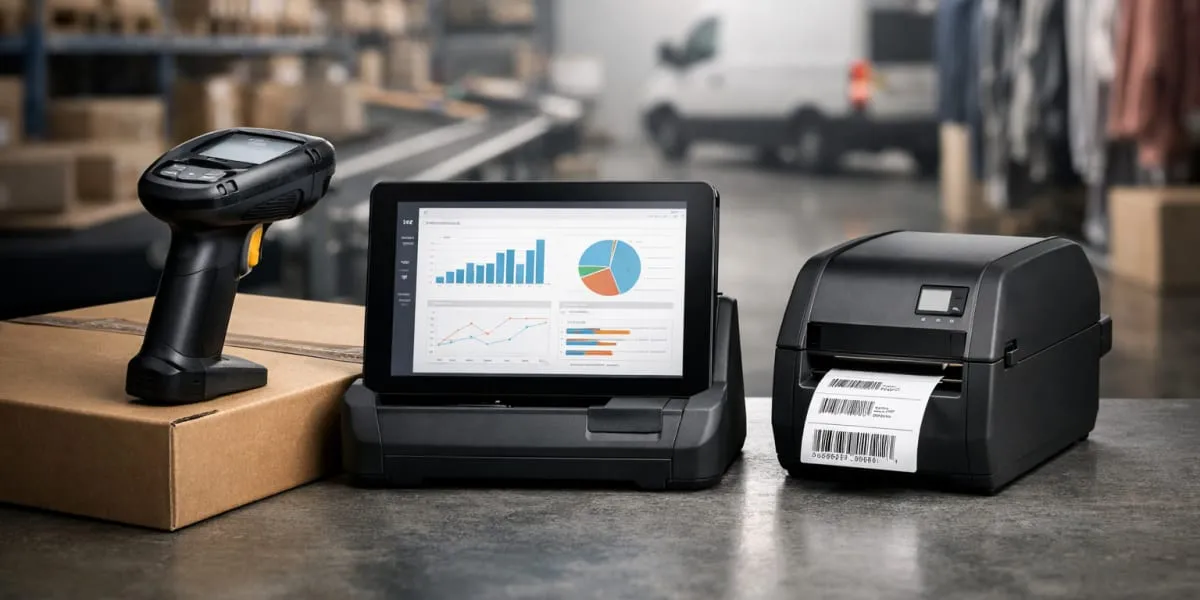
Zebra Technologies (Zebra) is expanding a partner-led strategy to accelerate digital adoption among Micro, Small and Medium Enterprises (MSMEs) in India. The initiative aims to make data capture and automation solutions more accessible to small businesses across manufacturing, retail and logistics sectors. Zebra positions the move as a response to rising demand for cost effective, scalable technologies that improve operational visibility.\n\nThe partner-led model will focus on strengthening relationships with channel partners, system integrators and value added resellers to deliver integrated hardware and software solutions. Core offerings include barcode and label printers, scanners, mobile computers and cloud enabled asset tracking platforms that are tailored to smaller operations. Partners will be expected to bundle implementation services, maintenance and managed services to simplify deployment for MSMEs.\n\nZebra will invest in partner enablement through technical training, certification and sales support to build local capacity and sustain after sales service. This approach is designed to improve inventory accuracy, reduce manual errors and shorten fulfilment cycles for small enterprises. By building a local ecosystem of trained partners, the company intends to reduce downtime and enhance supply chain transparency for customers.\n\nThe strategy also emphasises collaboration with industry bodies and regional stakeholders to broaden reach and to align solutions with regulatory and market needs. Zebra plans to scale its partner network across urban and semi urban centres while offering flexible commercial models suited to constrained budgets. The company frames the expansion as a long term effort to boost productivity and competitiveness among MSMEs in India.\n\nThe model is intended to foster digital inclusion by lowering barriers to entry for technology adoption among smaller firms. The company intends to monitor partner performance and customer outcomes to refine offerings and to address common operational challenges. Continued investment in skills and local service infrastructure is presented as central to sustaining adoption over time.

Zebra Technologies (Zebra) is expanding a partner-led strategy to accelerate digital adoption among Micro, Small and Medium Enterprises (MSMEs) in India. The initiative aims to make data capture and automation solutions more accessible to small businesses across manufacturing, retail and logistics sectors. Zebra positions the move as a response to rising demand for cost effective, scalable technologies that improve operational visibility.\n\nThe partner-led model will focus on strengthening relationships with channel partners, system integrators and value added resellers to deliver integrated hardware and software solutions. Core offerings include barcode and label printers, scanners, mobile computers and cloud enabled asset tracking platforms that are tailored to smaller operations. Partners will be expected to bundle implementation services, maintenance and managed services to simplify deployment for MSMEs.\n\nZebra will invest in partner enablement through technical training, certification and sales support to build local capacity and sustain after sales service. This approach is designed to improve inventory accuracy, reduce manual errors and shorten fulfilment cycles for small enterprises. By building a local ecosystem of trained partners, the company intends to reduce downtime and enhance supply chain transparency for customers.\n\nThe strategy also emphasises collaboration with industry bodies and regional stakeholders to broaden reach and to align solutions with regulatory and market needs. Zebra plans to scale its partner network across urban and semi urban centres while offering flexible commercial models suited to constrained budgets. The company frames the expansion as a long term effort to boost productivity and competitiveness among MSMEs in India.\n\nThe model is intended to foster digital inclusion by lowering barriers to entry for technology adoption among smaller firms. The company intends to monitor partner performance and customer outcomes to refine offerings and to address common operational challenges. Continued investment in skills and local service infrastructure is presented as central to sustaining adoption over time.

Next Story
Technology

AI-Enabled Workflows Lift Profitability and Productivity

Organisations modernising frontline workflows with artificial intelligence, automation and real-time data are reporting stronger financial performance, higher productivity and improved employee engagement, according to a global study by Zebra Technologies and Oxford Economics.The research covered 1,000 senior leaders across retail, manufacturing, transportation and logistics in the US, Mexico, the UK, Germany, India, Japan, Australia and New Zealand.In transportation and logistics, 54 per cent of companies that improved picking and packing operations reported faster operational performance, wh..

Next Story
Real Estate

India Leads Global AI Readiness but Implementation Lags

Indian companies lead global averages across all eight artificial intelligence readiness indicators tracked by JLL, but only 19 per cent have started making changes to their workplaces, according to the JLL 2026 Future of Work Survey.The study found that 77 per cent of Indian business leaders expect AI to change their office requirements, creating a 58-percentage-point gap between awareness and implementation. The survey covered more than 2,200 CEOs, CFOs and real estate leaders across 21 countries during the first quarter of 2026.Despite concerns over automation, 58 per cent of Indian leaders..

Next Story
Equipment

Three WOLFF Cranes Build Riyadh Cable-Stayed Bridges

Three WOLFF 180 B luffing jib cranes are supporting the construction of two cable-stayed bridges alongside the existing Wadi Laban Bridge in Riyadh, Saudi Arabia. The project is being developed for the Royal Commission for Riyadh City and executed by the ICRC joint venture comprising IC Ictas and Al Rashid Trading & Contracting Company.The cranes are handling lifting operations including formwork, reinforcement, concrete placement, work platforms, surveying equipment and other construction materials. Each crane is fitted with a 40 m jib, reaches a hook height of 157 m and offers a maximum ..

Advertisement

Subscribe to Our Newsletter

Get daily newsletters around different themes from Construction world.

STAY CONNECTED

Advertisement

Advertisement

Advertisement