Adani Urges India To Build Sovereign Strength In Resources And Energy
Company News

Adani Urges India To Build Sovereign Strength In Resources And Energy

Adani Group chairman Gautam Adani has said that India’s sovereignty in the twenty-first century will depend on its command over natural resources and energy systems, emphasising that the nation must chart its own development path at a time when global alliances are increasingly fracturing. Delivering the keynote address at the 100th foundation day celebrations of IIT (ISM) Dhanbad, Adani said countries worldwide were acting in pure self-interest, making it essential for India to master the systems that fuel its growth.

He described sovereignty as inseparable from resource security. “India must chart its own development course in a world increasingly marked by national self-preservation and fractured global alliances,” he said.

Adani invoked historical examples to underline the need for civilisational confidence. He said Bakhtiyar Khilji’s destruction of Nalanda was aimed at breaking India’s intellectual independence, while the British replaced India’s indigenous knowledge systems with an education model designed to produce clerks rather than thinkers.

“India does not sell dreams — it transforms dreams into reality,” he said, warning against what he termed “narrative colonisation”, where nations with historically high carbon emissions seek to dictate India’s development choices despite its low per-capita emissions.

He described the present period as India’s “second freedom struggle”, centred on economic and resource independence, and stressed that the nation must resist external pressure and build sovereign capability in resources, energy and technology. “If we do not control our own narrative, our aspirations will be delegitimised,” he warned.

Adani highlighted that India remains one of the world’s lowest per-capita emitters even after achieving more than 50 per cent non-fossil installed power capacity ahead of schedule. Attempts to downgrade India’s sustainability performance without considering per-capita responsibility, he said, revealed biases within global ESG frameworks.

Citing the Adani Group’s Carmichael coal mine in Australia, he said the project was developed to strengthen India’s energy security by providing better-grade imported coal, despite facing “one of the most contested environmental and political battles of the century”. He recalled protests across continents, withdrawal of bank lending and intense global scrutiny, saying, “They may write headlines, but we will write history.”

Adani noted that IIT (ISM) Dhanbad itself was founded on India’s long-standing understanding that a nation cannot rise without mastering the strength of its own soil. He announced 50 annual paid internships for third-year students and an Adani 3S Mining Excellence Centre at the institute.

He urged students to “dream fearlessly, act relentlessly”, embrace innovation and help build a self-reliant India by becoming “custodians of the core”.

Adani, 62, is the founder and chairman of the Adani Group, India’s largest integrated infrastructure conglomerate, with a portfolio spanning transport logistics, energy infrastructure, natural resources, airports, defence, aerospace and more. The group has crossed a market capitalisation of more than USD 200 billion under his leadership.

Adani Group chairman Gautam Adani has said that India’s sovereignty in the twenty-first century will depend on its command over natural resources and energy systems, emphasising that the nation must chart its own development path at a time when global alliances are increasingly fracturing. Delivering the keynote address at the 100th foundation day celebrations of IIT (ISM) Dhanbad, Adani said countries worldwide were acting in pure self-interest, making it essential for India to master the systems that fuel its growth. He described sovereignty as inseparable from resource security. “India must chart its own development course in a world increasingly marked by national self-preservation and fractured global alliances,” he said. Adani invoked historical examples to underline the need for civilisational confidence. He said Bakhtiyar Khilji’s destruction of Nalanda was aimed at breaking India’s intellectual independence, while the British replaced India’s indigenous knowledge systems with an education model designed to produce clerks rather than thinkers. “India does not sell dreams — it transforms dreams into reality,” he said, warning against what he termed “narrative colonisation”, where nations with historically high carbon emissions seek to dictate India’s development choices despite its low per-capita emissions. He described the present period as India’s “second freedom struggle”, centred on economic and resource independence, and stressed that the nation must resist external pressure and build sovereign capability in resources, energy and technology. “If we do not control our own narrative, our aspirations will be delegitimised,” he warned. Adani highlighted that India remains one of the world’s lowest per-capita emitters even after achieving more than 50 per cent non-fossil installed power capacity ahead of schedule. Attempts to downgrade India’s sustainability performance without considering per-capita responsibility, he said, revealed biases within global ESG frameworks. Citing the Adani Group’s Carmichael coal mine in Australia, he said the project was developed to strengthen India’s energy security by providing better-grade imported coal, despite facing “one of the most contested environmental and political battles of the century”. He recalled protests across continents, withdrawal of bank lending and intense global scrutiny, saying, “They may write headlines, but we will write history.” Adani noted that IIT (ISM) Dhanbad itself was founded on India’s long-standing understanding that a nation cannot rise without mastering the strength of its own soil. He announced 50 annual paid internships for third-year students and an Adani 3S Mining Excellence Centre at the institute. He urged students to “dream fearlessly, act relentlessly”, embrace innovation and help build a self-reliant India by becoming “custodians of the core”. Adani, 62, is the founder and chairman of the Adani Group, India’s largest integrated infrastructure conglomerate, with a portfolio spanning transport logistics, energy infrastructure, natural resources, airports, defence, aerospace and more. The group has crossed a market capitalisation of more than USD 200 billion under his leadership.

Next Story
Equipment

Schwing Stetter India Unveils New Innovations at Excon 2025

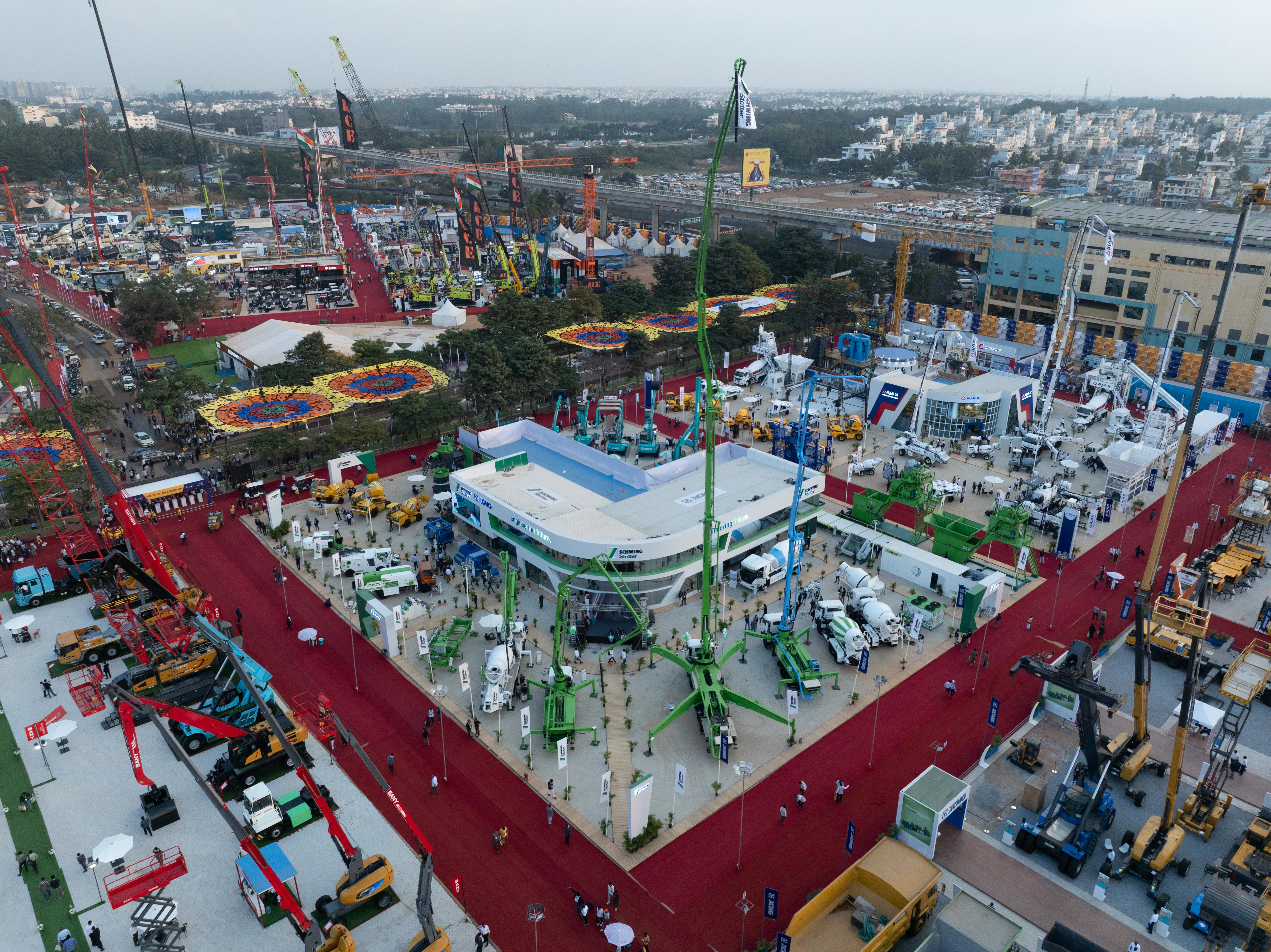
Schwing Stetter India unveiled more than 20 new machines at Excon 2025, marking one of its most significant showcases and introducing several India-first technologies to the construction equipment sector. The company launched the country’s first 56-metre boom pump designed and manufactured in India, the first fully electric truck mixer, the first CNG mixer variant and the first hybrid boom pump. Executives said the launch portfolio was engineered to support India’s move toward faster, greener and more vertically oriented infrastructure through advanced engineering, clean-energy solutions a..
Next Story
Infrastructure Energy

SEPC Resolves Hindustan Copper Dispute, Wins Rs 725 Mn Order

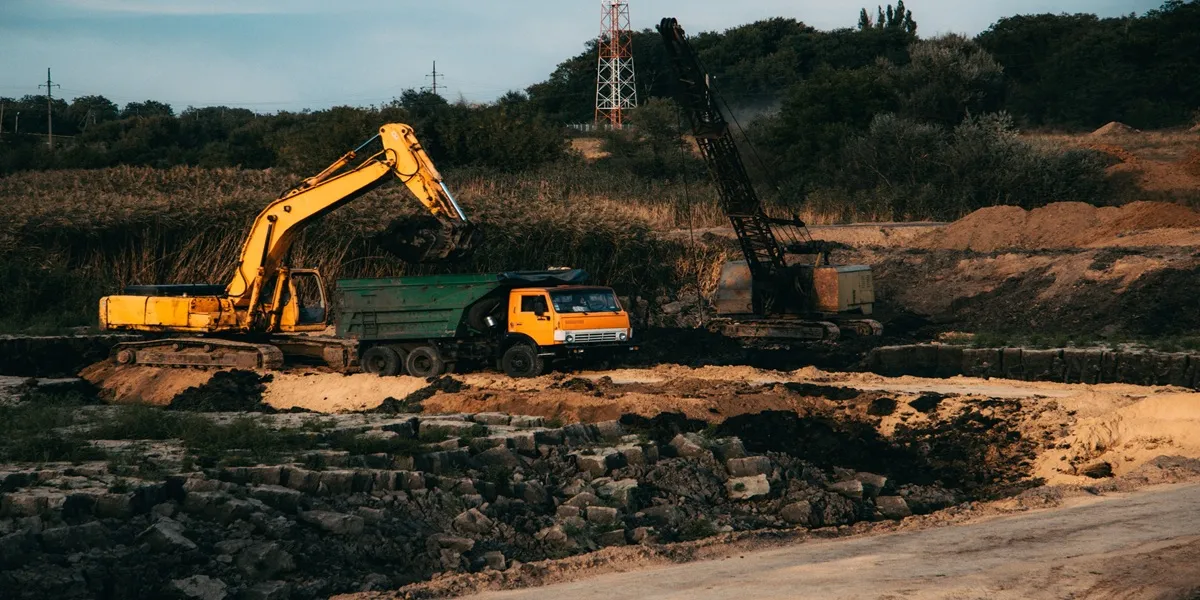
Engineering, procurement and construction firm SEPC Ltd has recently settled a dispute with Hindustan Copper Ltd (HCL) and secured a mining infrastructure order valued at Rs 725 million from the state-owned company. SEPC informed the stock exchanges that it has executed a settlement deed with HCL, bringing closure to all inter-se claims and counterclaims arising from arbitration proceedings. As part of the settlement, SEPC will receive Rs 304.5 million as full and final payment, marking the resolution of all pending disputes between the two entities. The company also stated that Hindustan Co..
Next Story
Infrastructure Energy

20% Ethanol Blending Cuts India’s CO2 Emissions by 73.6 Mn Tonnes

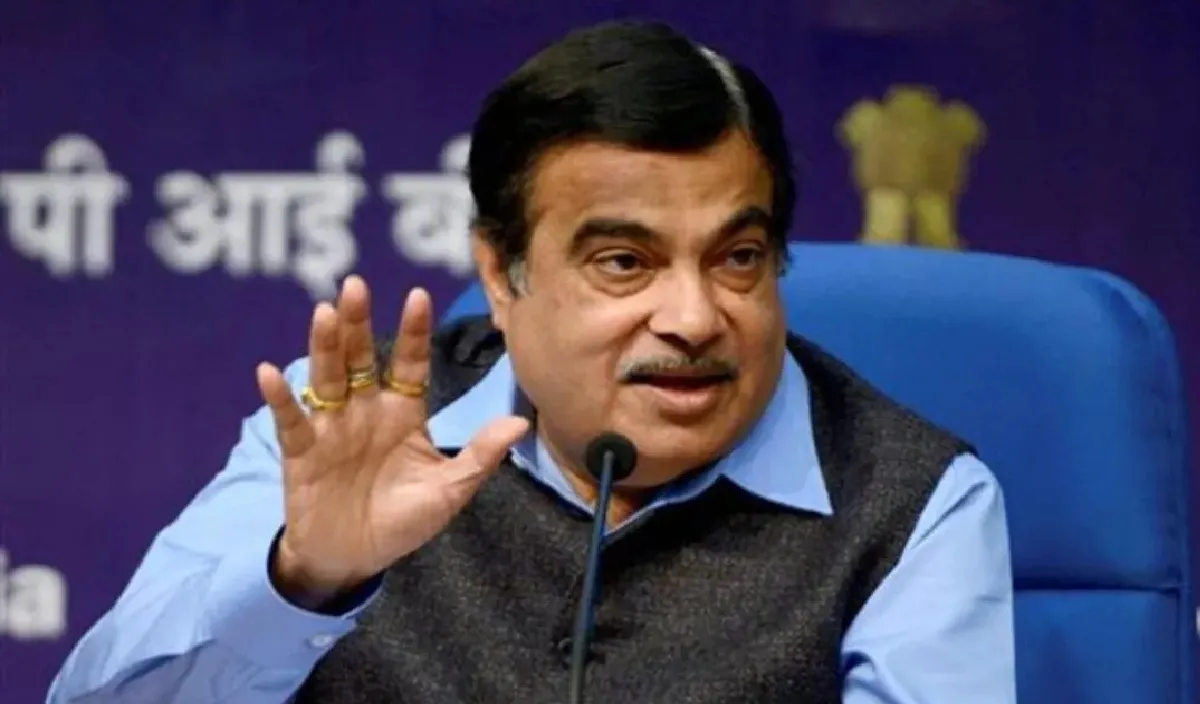
Union Road Transport and Highways Minister Nitin Gadkari recently said that India has reduced carbon dioxide emissions by 73.6 million metric tonnes due to the adoption of 20 per cent ethanol blending in petrol. He made the statement while replying to supplementary questions during the Question Hour in the Lok Sabha. Describing ethanol as a green fuel, the minister said it plays a key role in reducing pollution while also supporting higher incomes for farmers. He underlined that ethanol blending contributes both to environmental sustainability and rural economic growth. Nitin Gadkari also po..

Advertisement

Subscribe to Our Newsletter

Get daily newsletters around different themes from Construction world.

STAY CONNECTED

Advertisement

Advertisement

Advertisement

Advertisement

Open In App