+
 Pipe makers body seeks govt intervention to regulate soaring steel prices
Steel

Pipe makers body seeks govt intervention to regulate soaring steel prices

Industry body Indian Pipe Manufacturers Association (IPMA) has requested government intervention to regulate steel prices, which are trading at an all time high in the country.

According to the association, the steel prices increased more than 60% in the last 10 months and are expected to increase further by Rs 4000/ a tonne in the upcoming days.

Due to this, it has made survival for downstream enterprises difficult, which are entirely dependent on steel mills for their raw material needs.

In a letter to Minister of Steel Dharmendra Pradhan, IPMA has even asked for a temporary prohibition on its export, a move that will limit steel players from distributing their product to the international markets.

The letter also said that the MSMEs and Pipe producers are striving for quite some time because of increased prices and shortage of steel in the domestic market.

The association said it marked a copy of the letter to the Prime Minister, Narendra Modi, and several other significant officials to notify them about this issue.

IMPA told the media that numerous industries have shut down and many more are on the verge of closure. Gas, Oil, and main projects are held accountable for managing economic growth and need high-quality steel.

Due to the increase in the cost of raw materials, the value of infrastructure design has moved up by more than 100-150%, posing a tremendous risk to the infrastructure vision of our nation.

A spokesperson of the IPMA also said that the steel prices have been highly volatile for the last 7-8 months.

In a few cases like the API grades (Oil & Gas lines), prices have increased above 100-125% compared to a few months back.

The commercial grade has moved from around Rs 37,500 per million tonne to current levels near Rs 70,000 and yet on the rise. And this has put several pipe laying and construction industries backwards.

Steel is trading at an all-time high in the domestic market.

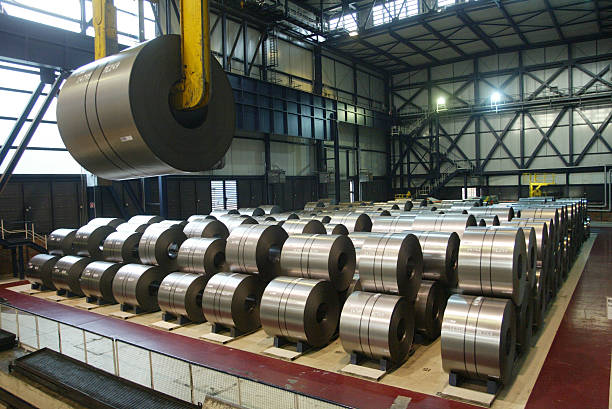
In May 2021, Indian steel players shot up costs of cold rolled coil (CRC) by Rs 4,500 to Rs 80,000 per tonne and hot rolled coil (HRC) by Rs 4,000 to Rs 67,000 per tonne, whereas, in US, the cost is around Rs 109,000 per tonne, and in Europe, it is around Rs 89,000 per tonne.

Image Source


Also read: Steel prices: In a year, HRC up 40%, TMT 30%; Consumption to grow 10%

Also read: High Price Point: Where is the future of steel industry headed?

Industry body Indian Pipe Manufacturers Association (IPMA) has requested government intervention to regulate steel prices, which are trading at an all time high in the country. According to the association, the steel prices increased more than 60% in the last 10 months and are expected to increase further by Rs 4000/ a tonne in the upcoming days. Due to this, it has made survival for downstream enterprises difficult, which are entirely dependent on steel mills for their raw material needs. In a letter to Minister of Steel Dharmendra Pradhan, IPMA has even asked for a temporary prohibition on its export, a move that will limit steel players from distributing their product to the international markets. The letter also said that the MSMEs and Pipe producers are striving for quite some time because of increased prices and shortage of steel in the domestic market. The association said it marked a copy of the letter to the Prime Minister, Narendra Modi, and several other significant officials to notify them about this issue. IMPA told the media that numerous industries have shut down and many more are on the verge of closure. Gas, Oil, and main projects are held accountable for managing economic growth and need high-quality steel. Due to the increase in the cost of raw materials, the value of infrastructure design has moved up by more than 100-150%, posing a tremendous risk to the infrastructure vision of our nation. A spokesperson of the IPMA also said that the steel prices have been highly volatile for the last 7-8 months. In a few cases like the API grades (Oil & Gas lines), prices have increased above 100-125% compared to a few months back. The commercial grade has moved from around Rs 37,500 per million tonne to current levels near Rs 70,000 and yet on the rise. And this has put several pipe laying and construction industries backwards. Steel is trading at an all-time high in the domestic market. In May 2021, Indian steel players shot up costs of cold rolled coil (CRC) by Rs 4,500 to Rs 80,000 per tonne and hot rolled coil (HRC) by Rs 4,000 to Rs 67,000 per tonne, whereas, in US, the cost is around Rs 109,000 per tonne, and in Europe, it is around Rs 89,000 per tonne. Image SourceAlso read: Steel prices: In a year, HRC up 40%, TMT 30%; Consumption to grow 10% Also read: High Price Point: Where is the future of steel industry headed?

Related Stories

Gold Stories

Next Story
Infrastructure Urban

KONE Opens India's First Digital Experience Centre in Pune

KONE, a global elevator and escalator manufacturer, has inaugurated its first Digital Experience Centre (DEC) in India, located in Pune. The facility aims to showcase how artificial intelligence (AI), connectivity and data-driven technologies can enhance customer experiences and improve building operations.The centre was inaugurated by Jussi Herlin, Executive Vice Chair, KONE Corporation; Philippe Delorme, President and CEO, KONE; and Nandan Nilekani, Co-founder and Chairman of the Board, Infosys.Designed as an interactive customer environment, the facility demonstrates digital solutions cover..

Next Story
Infrastructure Urban

CII GreenCo Launches Circularity Guidelines for Indian Industry

The Confederation of Indian Industry (CII) GreenCo Council has launched the CII GreenCo Circularity Guidelines – Pilot Version at the 17th CII GreenCo Waste & Resource Management Summit 2026 in Chennai. The initiative aims to strengthen resource efficiency, waste reduction and circular economy practices across Indian manufacturing and process industries.The guidelines introduce a structured framework with circularity indices covering raw materials, consumables, packaging and other resource inputs. These indicators will help industries assess existing practices, identify opportunities to ..

Next Story
Infrastructure Energy

Global Electronics Association Launches IPC-1783-CO2E Standard

The Global Electronics Association has introduced IPC-1783-CO2E, a new international standard aimed at improving consistency, transparency and comparability in product carbon footprint reporting across the electronics manufacturing industry.The standard, titled International Standard for Data Collection and Reporting of CO2 Equivalent (CO2e) Emissions for the Electronics Manufacturing Supply Chain, provides industry-specific guidance for collecting, estimating and reporting carbon emissions data.With increasing regulatory requirements and customer expectations, electronics manufacturers face c..

Advertisement

Subscribe to Our Newsletter

Get daily newsletters around different themes from Construction world.

STAY CONNECTED

Advertisement

SPECIAL OFFER
QR Code