
China considers imposing more tariff on steel export
Steel

China considers imposing more tariff on steel export

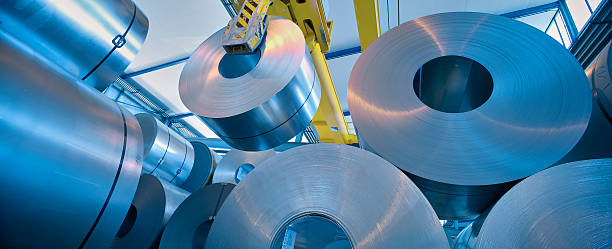
China cuts the production of steel, ensuring adequate availability of important metals in the sovereign. It is discouraging the exports of the products. According to the report, China is considering more tariffs on steel products.

The country is imposing 10-25% export duty on steel products like Hot-Rolled Coil in the third quarter (Q3).

Since May, the country has revoked rebates on export duties and raised tariffs on steel products to keep more products within the Chinese borders. The value-added tax (VAT) funds range between 10-13% on nearly 146 steel producers who are no longer its exporter.

So, the price of Chinese Steel in the foreign market is extremely low. With the increasing export duty, Chinese Steel companies will have to increase the price of their products, which makes them non-competitive in foreign markets.

The country is the biggest steel exporter but now it is in the middle of the decarbonising drive. It is limiting carbon emission by limiting steel production in one of its most polluting industries. The mills have asked the companies to keep the production at the same rate as was in 2020. According to S&P Platts, Chinese mills would have to cut down the production by 58 million tonnes to reach the target.

The VAT revocation was seen in China's exports in May, dropping to 5.27 million tonnes after 7 million tonnes for two months. The June production dropped to 93.9 million tonnes from 99.5 million tonnes in May. But this loss of China benefits the worldwide steelmakers, including India.

With the Production Linked incentive scheme, India is gaining steel market shares as China is giving up. Indian steel mills are exporting more steel when the domestic market slows down. India gains benefit since China gives up on the market.

Image Source


Also read: Steel production in India hit due to iron ore export to China

China cuts the production of steel, ensuring adequate availability of important metals in the sovereign. It is discouraging the exports of the products. According to the report, China is considering more tariffs on steel products. The country is imposing 10-25% export duty on steel products like Hot-Rolled Coil in the third quarter (Q3). Since May, the country has revoked rebates on export duties and raised tariffs on steel products to keep more products within the Chinese borders. The value-added tax (VAT) funds range between 10-13% on nearly 146 steel producers who are no longer its exporter. So, the price of Chinese Steel in the foreign market is extremely low. With the increasing export duty, Chinese Steel companies will have to increase the price of their products, which makes them non-competitive in foreign markets. The country is the biggest steel exporter but now it is in the middle of the decarbonising drive. It is limiting carbon emission by limiting steel production in one of its most polluting industries. The mills have asked the companies to keep the production at the same rate as was in 2020. According to S&P Platts, Chinese mills would have to cut down the production by 58 million tonnes to reach the target. The VAT revocation was seen in China's exports in May, dropping to 5.27 million tonnes after 7 million tonnes for two months. The June production dropped to 93.9 million tonnes from 99.5 million tonnes in May. But this loss of China benefits the worldwide steelmakers, including India. With the Production Linked incentive scheme, India is gaining steel market shares as China is giving up. Indian steel mills are exporting more steel when the domestic market slows down. India gains benefit since China gives up on the market. Image Source Also read: Steel production in India hit due to iron ore export to China

Next Story
Infrastructure Transport

Kavach 4.0 Commissioned on Delhi–Mumbai and Delhi–Howrah

"Kavach version four has been commissioned on 1,452 route km, covering the high density Delhi–Mumbai and Delhi–Howrah corridors. The rollout included laying 8,570 km of optical fibre, installation of 1,100 telecom towers, deployment of trackside equipment over 6,776 RKm and establishment of 767 station data centres. Trackside implementation has been taken up on 24,427 RKm covering Golden Quadrilateral, Golden Diagonal and High Density Network sections. The programme aims to strengthen signalling and train protection on key routes.Kavach is an indigenously developed automatic train protecti..

Next Story
Infrastructure Transport

Railways Advance Kalyan–Murbad Line And Mumbai Capacity Expansion

"Indian Railways is advancing multiple rail infrastructure projects in Maharashtra, including the sanctioned Kalyan–Murbad new line and sizable investments under the Mumbai Urban Transport Project and the Mumbai–Ahmedabad High Speed Rail project. The Kalyan–Murbad 28 km new line has been sanctioned at Rs 8.36 billion (bn) on a 50:50 cost-sharing basis with the Government of Maharashtra and has been declared a Special Railway Project for land acquisition; proposals covering 214 hectares are at various stages of acquisition. Budgetary outlay for projects falling fully or partly in Maharash..

Next Story
Infrastructure Urban

Parliamentary Panel Flags Funding Gaps in Heavy Industries

"The Department-Related Parliamentary Standing Committee on Industry (Rajya Sabha) presented its 332nd report on the Demands for Grants 2026-27 of the Ministry of Heavy Industries (MHI). Figures converted from crore and lakh are expressed in million (mn). The Budget Estimates 2026-27 for the Ministry stand at Rs 79,399 mn against a projected requirement of Rs 94,843.2 mn, a shortfall of about 16 per cent, with revenue at Rs 79,370.8 mn and capital compressed to Rs 28.2 mn from Rs 5,020 mn.The committee flagged recurring BE-to-RE compression and declining revised estimate utilisation, and calle..

Advertisement

Subscribe to Our Newsletter

Get daily newsletters around different themes from Construction world.

STAY CONNECTED

Advertisement

Advertisement

Advertisement